Accessing your cloud resources starts with one crucial step: sign in to Azure portal. Whether you’re a developer, administrator, or business owner, mastering this process ensures seamless control over your Microsoft cloud environment. Let’s break it down—simply, clearly, and securely.
Why Signing In to Azure Portal Matters

Signing in to the Azure portal is more than just logging into a dashboard—it’s your gateway to managing virtual machines, storage accounts, databases, networking, and security policies. Every action you take in Azure begins with authentication, making this step foundational to cloud operations.



Centralized Cloud Management
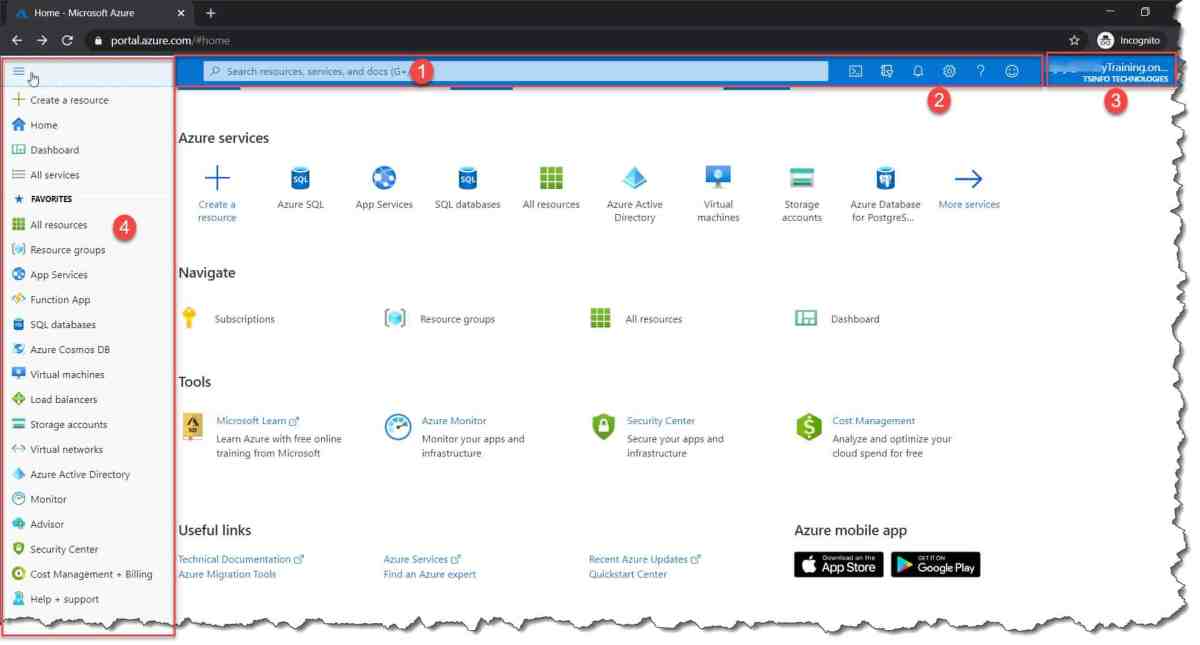
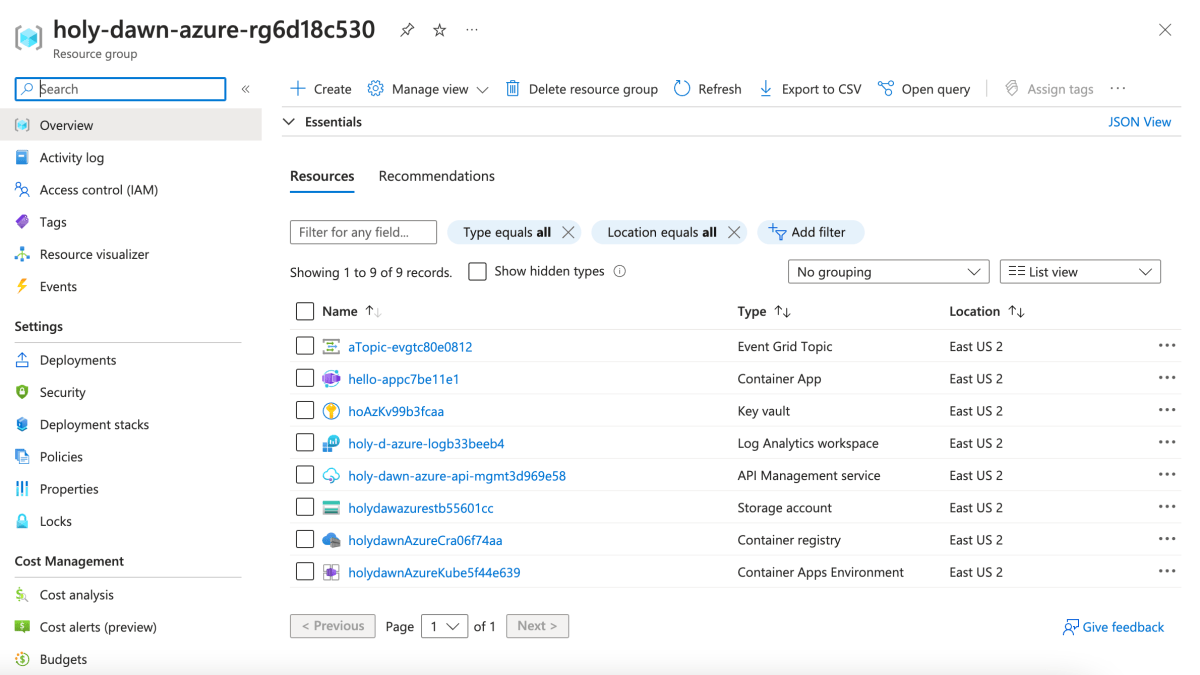
The Azure portal serves as a unified interface where users can monitor, configure, and deploy cloud services. When you sign in to Azure portal, you gain access to a visual, intuitive environment that simplifies complex infrastructure tasks.
- Manage subscriptions and billing
- Deploy and monitor applications
- Configure role-based access control (RBAC)
This centralized control reduces the need for command-line tools for routine operations, making Azure accessible even to non-technical users.
Security and Identity Foundation
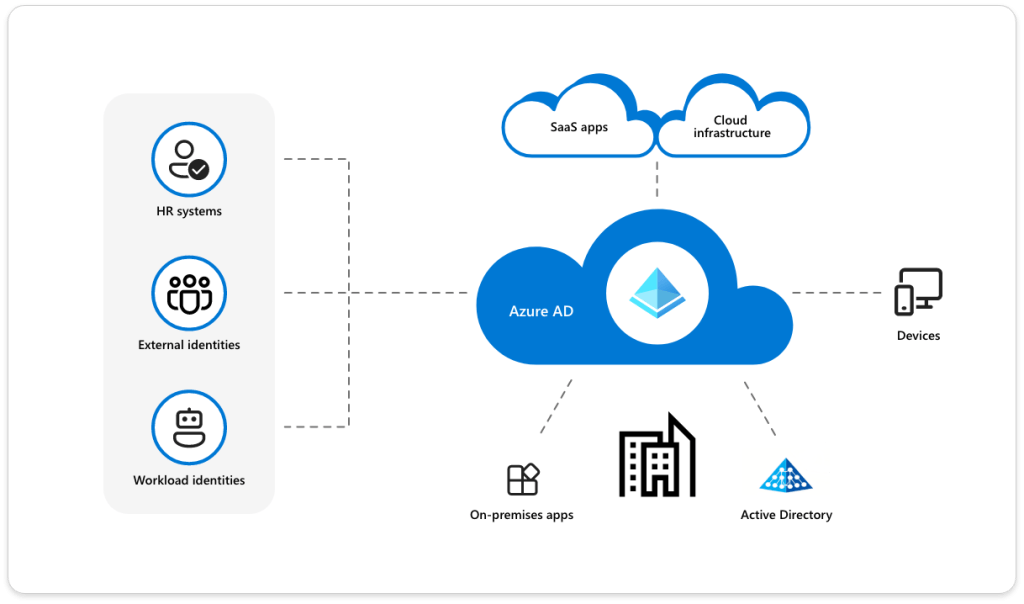
Authentication is the first line of defense in cloud security. When you sign in to Azure portal, your identity is verified through Microsoft Entra ID (formerly Azure Active Directory), ensuring only authorized users can access sensitive resources.
“Every sign-in is a security checkpoint. Proper authentication prevents unauthorized access and potential data breaches.” — Microsoft Security Best Practices
By integrating multi-factor authentication (MFA) and conditional access policies, organizations can significantly reduce the risk of compromised accounts.
How to Sign In to Azure Portal: Step-by-Step Guide
Understanding the exact steps to sign in to Azure portal ensures you can access your resources quickly and securely. Whether you’re using a personal Microsoft account or a work/school account, the process is straightforward.
Step 1: Navigate to the Azure Portal
Open your preferred web browser and go to https://portal.azure.com. This is the official URL for the Azure management portal. Always ensure you’re on the correct site to avoid phishing attempts.
Tip: Bookmark this page for faster access in the future.
Step 2: Enter Your Credentials
On the sign-in page, enter your email address or phone number associated with your Microsoft or work/school account. Click Next, then input your password. If you’re using a Microsoft account (like Outlook.com), your personal credentials will work. For organizational accounts, use your company email and password.
- Personal account: user@outlook.com
- Work account: user@company.com
- Educational account: user@university.edu
After entering your password, click Sign in.
Step 3: Complete Additional Security Verification
Depending on your organization’s security policies, you may be prompted for additional verification. This could include:
- Microsoft Authenticator app notification
- Text message (SMS) code
- Phone call verification
- Security key (FIDO2)
This step is part of multi-factor authentication (MFA), which enhances account security by requiring two or more verification methods.
“MFA blocks over 99.9% of account compromise attacks.” — Microsoft Security Intelligence Report
Once verified, you’ll be redirected to the Azure dashboard.
sign in to azure portal – Sign in to azure portal menjadi aspek penting yang dibahas di sini.
Common Issues When Signing In to Azure Portal
Even with a simple process, users often encounter issues when trying to sign in to Azure portal. Understanding these common problems—and how to resolve them—can save time and frustration.
Forgot Password or Locked Account
If you’ve forgotten your password or your account is locked due to multiple failed attempts, click Forgot password? on the sign-in screen. You’ll be guided through a recovery process that may involve email, phone, or security questions.
For work or school accounts, contact your IT administrator if self-service password reset (SSPR) isn’t enabled.
Incorrect Tenant or Subscription Access
Sometimes, users sign in successfully but don’t see their expected resources. This usually happens because they’re logged into the wrong Azure AD tenant. To switch tenants:
- Click your profile icon in the top-right corner
- Select Switch directory
- Choose the correct directory from the list
If the correct tenant doesn’t appear, ensure your account has been added to that directory by an administrator.
Browser Compatibility and Cache Issues
Outdated browsers or corrupted cache can prevent successful login. Azure supports the latest versions of:
- Google Chrome
- Mozilla Firefox
- Microsoft Edge
- Apple Safari
Clear your browser cache or try signing in using an incognito/private window. If issues persist, try a different browser or device.
Enhancing Security When You Sign In to Azure Portal
Security should never be an afterthought. Every time you sign in to Azure portal, you’re accessing potentially critical infrastructure. Implementing strong security practices protects your data and services.
Enable Multi-Factor Authentication (MFA)
MFA is one of the most effective ways to secure your Azure account. It requires users to verify their identity using at least two of the following:
- Something you know (password)
- Something you have (phone or token)
- Something you are (biometrics)
To enable MFA:
- Sign in to the Azure portal
- Navigate to Microsoft Entra ID
- Go to Security > Multifactor Authentication
- Select users and enable MFA
For organizations, consider using Conditional Access policies to enforce MFA based on risk, location, or device compliance.
Use Conditional Access Policies
Conditional Access allows administrators to control how and when users can sign in to Azure portal. For example, you can:
- Block sign-ins from specific countries
- Require compliant devices for access
- Enforce MFA for high-risk sign-ins
These policies are configured under Microsoft Entra ID > Protection > Conditional Access.
“Conditional Access reduces the attack surface by dynamically applying access controls based on real-time risk assessment.” — Microsoft Docs
Monitor Sign-In Activity
Azure provides detailed logs of all sign-in attempts through the Azure Monitor and Microsoft Entra ID logs. Regularly review these logs to detect suspicious activity.
sign in to azure portal – Sign in to azure portal menjadi aspek penting yang dibahas di sini.
To view sign-in logs:
- Sign in to Azure portal
- Go to Microsoft Entra ID
- Select Monitoring > Sign-in logs
You can filter logs by user, app, status (success/failure), and risk level. Set up alerts for failed logins or sign-ins from unusual locations.
Using Single Sign-On (SSO) to Simplify Access
For organizations with multiple cloud applications, managing separate logins is inefficient. Single Sign-On (SSO) allows users to sign in once and access multiple services—including the Azure portal—without re-entering credentials.
How SSO Works with Azure
Azure supports SSO through Microsoft Entra ID, enabling seamless integration with thousands of SaaS applications. When a user signs in to one app, they’re automatically authenticated for others in the same session.
SSO relies on protocols like SAML, OAuth, and OpenID Connect. For example, when you sign in to Office 365, you can access Azure without logging in again if both services are linked to the same directory.
Setting Up SSO for Your Organization
To configure SSO:
- Sign in to Azure portal as an administrator
- Navigate to Microsoft Entra ID > Enterprise applications
- Select the app you want to configure
- Go to Single sign-on and choose the method (SAML, Password-based, etc.)
- Follow the setup wizard to configure settings
Many apps provide metadata URLs or certificates to simplify configuration. Test the SSO flow after setup to ensure it works correctly.
Benefits of SSO for Users and Admins
SSO offers several advantages:
- Reduced password fatigue
- Fewer helpdesk tickets for password resets
- Improved security through centralized identity management
- Easier compliance auditing
For administrators, SSO provides better visibility into user access patterns and simplifies deprovisioning when employees leave the organization.
Best Practices for Managing Azure Portal Access
Efficient and secure access to the Azure portal requires more than just knowing how to sign in. Implementing best practices ensures long-term operational excellence and security.
Implement Role-Based Access Control (RBAC)
Rbac ensures users have only the permissions they need. Instead of giving everyone full access, assign roles like:
- Reader – View resources only
- Contributor – Create and manage resources
- Owner – Full control, including access management
To assign roles:
- Go to the desired resource, resource group, or subscription
- Click Access control (IAM)
- Select Role assignments
- Click Add > Add role assignment
- Choose a role and select users or groups
Regularly review role assignments to remove unnecessary access.
Use Azure AD Groups for Efficient Management
Managing permissions for individual users is time-consuming. Instead, create Azure AD groups (e.g., “DevOps Team”, “Finance App Users”) and assign roles to the group. When a new user joins, add them to the group—they’ll inherit the appropriate permissions automatically.
sign in to azure portal – Sign in to azure portal menjadi aspek penting yang dibahas di sini.
Dynamic groups can even be configured to auto-add users based on attributes like department or job title.
Leverage Azure Portal Customization
Once you sign in to Azure portal, personalize your dashboard for faster access. You can:
- PIN frequently used resources to the dashboard
- Create custom blade layouts
- Save common filters and views
This reduces navigation time and improves productivity, especially for administrators managing multiple environments.
Advanced Authentication Methods for Azure Portal
While username and password are standard, advanced authentication methods offer stronger security and convenience. These are especially useful for high-privilege accounts or regulated industries.
Passwordless Authentication with Microsoft Authenticator
Microsoft Authenticator allows users to sign in without a password. After installing the app and linking it to your account, you’ll receive a push notification when signing in. Simply approve the request on your phone.
To set it up:
- Go to https://mysignins.microsoft.com/security-info
- Add the Microsoft Authenticator app as a sign-in method
- Scan the QR code with the app
- Approve a test notification
This method eliminates the risk of password theft and phishing.
Using FIDO2 Security Keys
FIDO2 security keys (like YubiKey) provide phishing-resistant authentication. They use public-key cryptography and work with Azure for passwordless or MFA sign-ins.
To use a FIDO2 key:
- Register the key in your Microsoft account or Azure AD
- Insert the key or tap it when prompted during sign-in
- Enter a PIN if configured
FIDO2 keys are ideal for protecting admin accounts and meeting compliance requirements like NIST or GDPR.
Biometric Authentication on Mobile Devices
For users accessing Azure via mobile (through the Azure app), biometric authentication (fingerprint or face recognition) adds a secure, convenient layer. This is especially useful for on-the-go approvals or monitoring.
The Azure mobile app supports biometric login when MFA is enabled and the device supports it.
Troubleshooting and Support Resources
Even with best practices, issues can arise. Knowing where to find help when you can’t sign in to Azure portal is crucial.
Microsoft’s Official Support Channels
Microsoft offers multiple support options:
sign in to azure portal – Sign in to azure portal menjadi aspek penting yang dibahas di sini.
- Azure Status Page: Check for service outages at https://status.azure.com
- Microsoft Q&A: Ask questions at https://learn.microsoft.com/answers
- Support Tickets: Open a ticket via the Azure portal under Help + support
Paid support plans offer faster response times and direct engineer access.
Community Forums and Documentation
The Microsoft Learn platform hosts comprehensive guides on signing in, managing identities, and troubleshooting. Visit Microsoft’s sign-in security guide for up-to-date best practices.
Reddit communities like r/Azure and Stack Overflow also provide peer support for common login issues.
Using Azure AD Connect for Hybrid Environments
In hybrid setups (on-premises + cloud), Azure AD Connect syncs on-premises Active Directory with Microsoft Entra ID. If users can’t sign in, check:
- Synchronization status
- Password hash sync or pass-through authentication settings
- Network connectivity between on-prem and Azure
Use the Azure AD Connect Health tool to monitor sync health and receive alerts.
How do I reset my Azure portal password?
If you’re using a Microsoft account, go to https://account.live.com/password/reset and follow the steps. For work or school accounts, use the self-service password reset (SSPR) portal at https://passwordreset.microsoftonline.com. If SSPR isn’t enabled, contact your organization’s IT administrator.
Can I sign in to Azure portal without a password?
Yes. Azure supports passwordless authentication using the Microsoft Authenticator app, FIDO2 security keys, or Windows Hello. These methods enhance security by eliminating password-related risks like phishing and credential stuffing.
Why can’t I see my subscriptions after signing in?
This usually happens if you’re signed in to the wrong Azure AD tenant. Click your profile icon, select ‘Switch directory’, and choose the correct tenant. If the subscription still doesn’t appear, ensure your account has been assigned a role (like Reader or Contributor) on that subscription.
Is it safe to sign in to Azure portal on public Wi-Fi?
It’s not recommended. Public Wi-Fi networks are often unsecured and can expose your credentials to eavesdropping. If you must sign in, use a virtual private network (VPN) and ensure MFA is enabled to add an extra layer of protection.
What should I do if I’m locked out of my Azure account?
sign in to azure portal – Sign in to azure portal menjadi aspek penting yang dibahas di sini.
If you’re locked out, wait 30 minutes for the lockout to reset (for temporary blocks). For persistent issues, contact your administrator or Microsoft support. If you’re the admin, use a break-glass account (a highly privileged, offline account) to regain access and troubleshoot.
Signing in to Azure portal is the first and most critical step in managing your cloud environment. From basic login steps to advanced security configurations, understanding this process ensures you maintain control, security, and efficiency. By following best practices like enabling MFA, using SSO, and monitoring sign-in activity, you protect your organization’s digital assets. Whether you’re a beginner or an experienced admin, mastering how to sign in to Azure portal empowers you to unlock the full potential of Microsoft’s cloud platform.
Recommended for you 👇
Further Reading: