If you’re exploring cloud computing, msft azure stands out as a robust, scalable solution trusted by enterprises worldwide. Let’s dive into why it’s a game-changer.
What Is msft azure and Why It Matters

Microsoft Azure, commonly referred to as msft azure, is a comprehensive cloud computing platform launched by Microsoft in 2010. It offers over 200 services, including computing, analytics, storage, and networking, all designed to help businesses innovate and scale efficiently. Unlike traditional on-premise infrastructure, msft azure allows organizations to access resources on-demand, reducing capital expenditure and increasing operational agility.


Core Components of msft azure
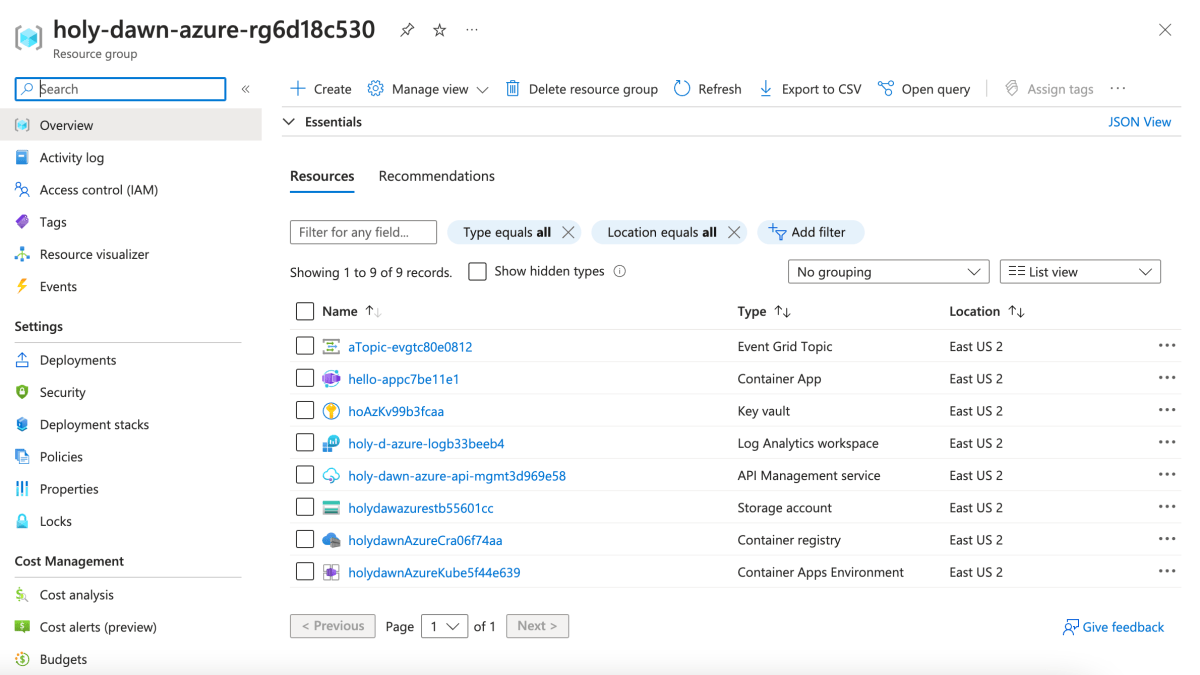
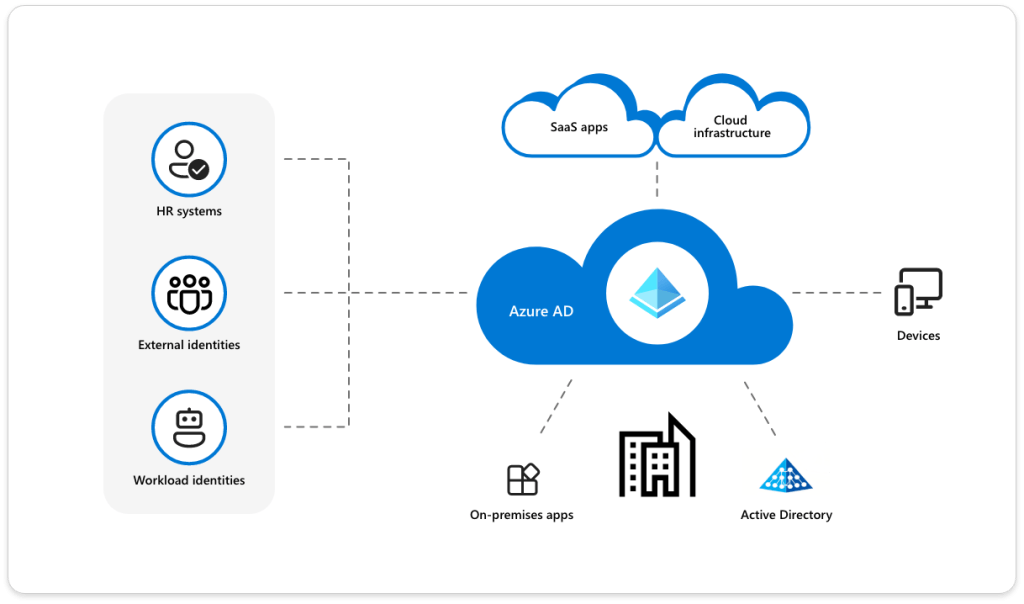
The foundation of msft azure lies in its modular architecture, which enables users to pick and choose services based on their needs. Key components include virtual machines, blob storage, Azure Active Directory, and App Services. These building blocks allow developers and IT professionals to deploy applications, manage identities, and store data securely in the cloud.
- Compute services like Virtual Machines and Azure Functions
- Storage solutions such as Blob, Disk, and Queue Storage
- Networking tools including Virtual Networks and Load Balancers
Global Infrastructure and Data Centers
One of msft azure’s standout features is its global reach. With data centers in over 60 regions worldwide, it ensures low latency and high availability for users across continents. This extensive footprint supports compliance with local data regulations, making it ideal for multinational corporations. For example, Azure operates in regions like Southeast Asia, North America, and even emerging markets such as South Africa and UAE.
“Azure’s global network ensures that your applications are always close to your users, no matter where they are.” — Microsoft Azure Official Documentation
Key Benefits of Using msft azure
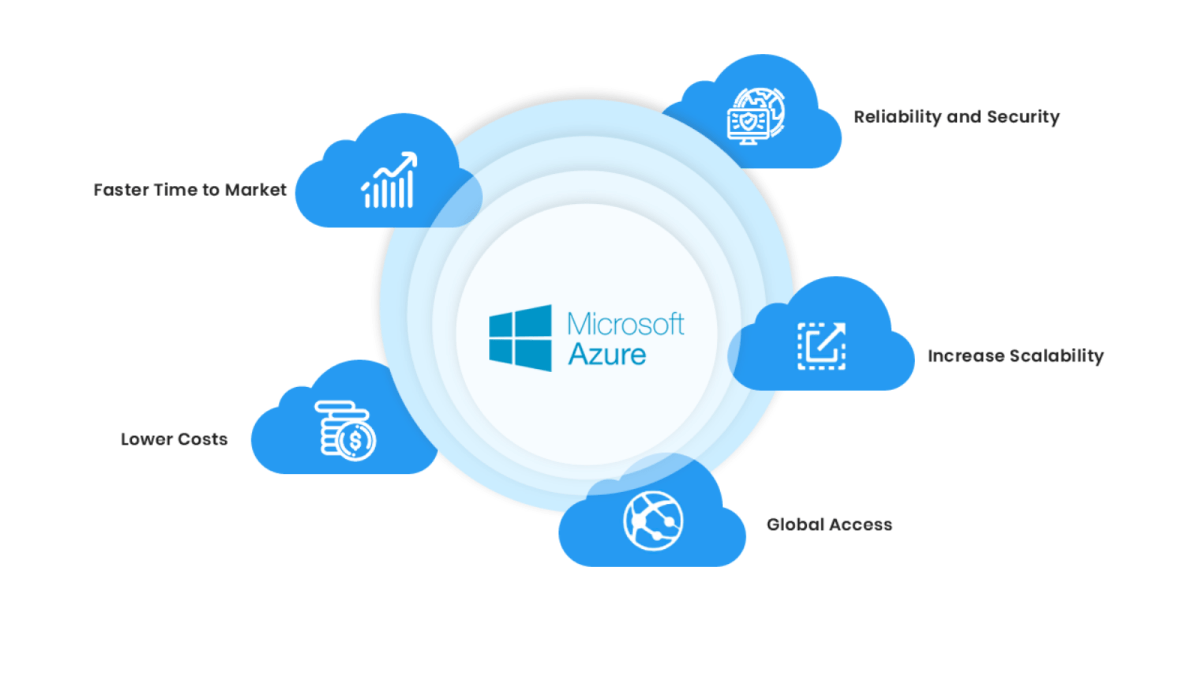
Adopting msft azure brings a host of advantages that directly impact business performance and innovation. From cost savings to enhanced security, the platform is engineered to support digital transformation at scale.
Cost Efficiency and Pay-as-You-Go Model
One of the most compelling reasons to use msft azure is its flexible pricing model. Instead of investing in expensive hardware, businesses pay only for the resources they consume. This pay-as-you-go approach is particularly beneficial for startups and SMEs that need to manage budgets tightly. Additionally, Azure offers reserved instances and hybrid benefits that can reduce costs by up to 80% compared to on-premise setups.
- No upfront capital investment required
- Transparent pricing with cost calculators available
- Discounts for long-term commitments and hybrid use
Scalability and Performance
msft azure excels in scalability, allowing businesses to scale up or down based on demand. Whether handling a sudden spike in web traffic or expanding data processing needs, Azure automatically adjusts resources. This elasticity ensures optimal performance without over-provisioning. Services like Azure Kubernetes Service (AKS) and Auto Scale make this process seamless and efficient.
“With Azure, scaling isn’t a project—it’s a feature.” — Tech Analyst, Gartner
msft azure vs. Competitors: A Strategic Comparison
While Amazon Web Services (AWS) and Google Cloud Platform (GCP) dominate the cloud market, msft azure holds a strong position, especially for enterprises already embedded in the Microsoft ecosystem. Understanding how msft azure compares helps organizations make informed decisions.
Integration with Microsoft Ecosystem
For companies using Microsoft 365, Dynamics 365, or .NET frameworks, msft azure offers unmatched integration. Seamless connectivity with tools like Active Directory, Office 365, and Visual Studio streamlines development and operations. This tight integration reduces friction during migration and enhances productivity across teams.
- Single sign-on across Azure and Microsoft 365
- Unified management via Azure Portal and PowerShell
- Enhanced developer experience with Azure DevOps
Market Share and Enterprise Adoption
According to Synergy Research Group, msft azure holds approximately 23% of the global cloud infrastructure market, trailing AWS but ahead of GCP. Its rapid growth is fueled by strong adoption in enterprise sectors like finance, healthcare, and government. Azure’s compliance certifications (e.g., ISO 27001, HIPAA, GDPR) make it a preferred choice for regulated industries.
Learn more about market trends at Synergy Research Group.
Security and Compliance in msft azure
Security is a top priority for any cloud platform, and msft azure delivers a multi-layered defense strategy. From physical data center security to advanced threat detection, Azure ensures data protection at every level.
Built-in Security Features
msft azure provides native tools like Azure Security Center, Azure Defender, and Identity Protection. These services offer continuous monitoring, vulnerability assessment, and automated threat response. For instance, Azure Security Center can detect suspicious login attempts and recommend remediation steps in real time.
- Advanced threat protection for hybrid environments
- Automated security policy enforcement
- Integration with third-party security tools via APIs
Compliance and Data Governance
msft azure complies with over 140 international and industry-specific standards, including FedRAMP, SOC 1/2, and NIST. This makes it suitable for organizations handling sensitive data. Azure Policy and Azure Blueprints help enforce governance rules across subscriptions, ensuring consistent configurations and regulatory adherence.
“Azure’s compliance framework is one of the most comprehensive in the industry.” — Microsoft Trust Center
Explore compliance details at Microsoft Azure Compliance.
Innovative Services Powered by msft azure
Beyond basic infrastructure, msft azure drives innovation through cutting-edge services in AI, IoT, and serverless computing. These tools empower businesses to build intelligent applications and automate complex workflows.
Artificial Intelligence and Machine Learning
msft azure offers a suite of AI and ML tools, including Azure Machine Learning, Cognitive Services, and Bot Framework. These enable developers to build models for image recognition, natural language processing, and predictive analytics without deep expertise in data science. For example, Azure Cognitive Services can be used to add facial recognition to an app with just a few lines of code.
- Pre-built AI models for vision, speech, and language
- Custom model training with automated ML
- Responsible AI principles embedded in design
Internet of Things (IoT) Solutions
Azure IoT Hub and Azure Digital Twins allow organizations to connect, monitor, and manage millions of devices. Industries like manufacturing, logistics, and smart cities use these services to collect real-time data and optimize operations. For instance, a logistics company can track vehicle conditions and reroute shipments based on sensor data.
Discover IoT capabilities at Azure IoT Hub.
Hybrid Cloud and On-Premise Integration with msft azure
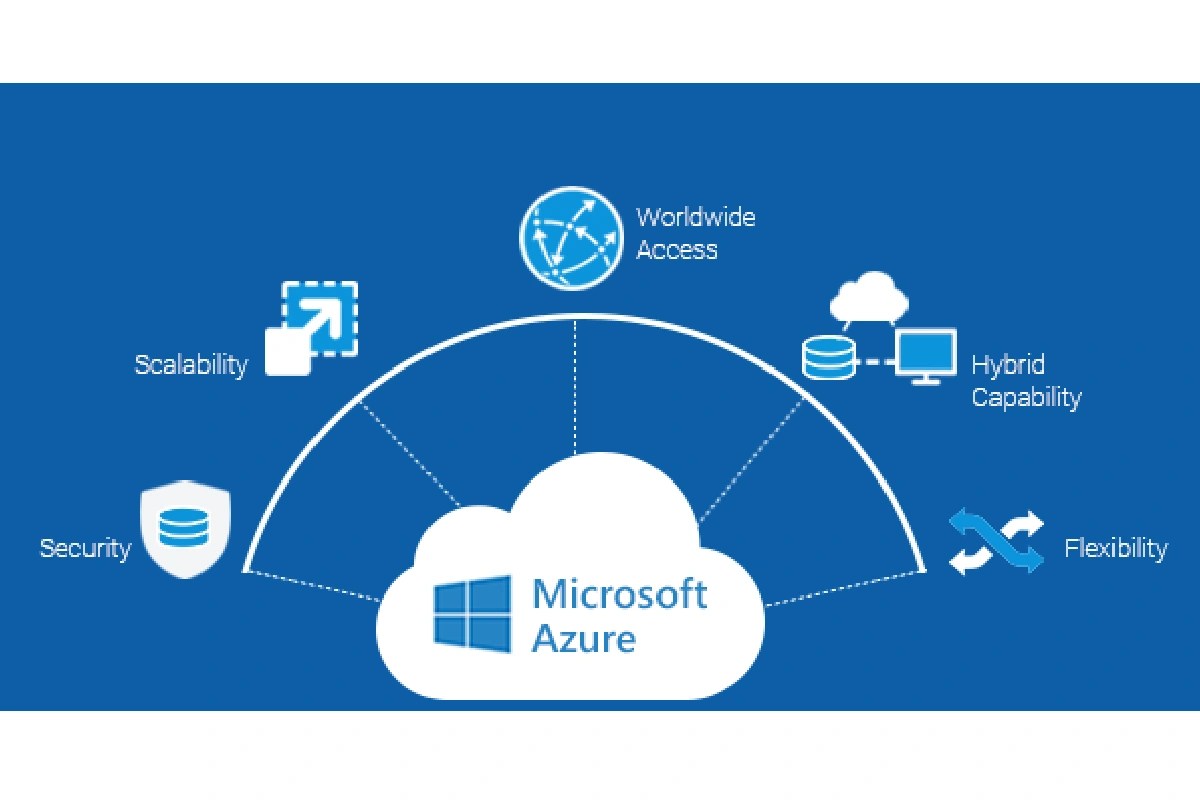
Not all businesses are ready to go fully cloud-native. msft azure addresses this with robust hybrid cloud solutions that bridge on-premise systems with the cloud, offering flexibility and continuity.
Azure Arc: Extend Cloud Management Everywhere
Azure Arc enables organizations to manage servers, Kubernetes clusters, and data services across on-premise, edge, and multi-cloud environments from the Azure portal. This unified control plane simplifies operations and ensures consistent policy enforcement, regardless of where resources are hosted.
- Manage non-Azure resources as if they were in Azure
- Apply Azure policies and RBAC across environments
- Enable governance and monitoring at scale
Azure Stack: Bring Azure to Your Data Center
Azure Stack allows businesses to run Azure services locally, ideal for scenarios with latency constraints or data sovereignty requirements. It provides the same APIs and tools as public Azure, ensuring a consistent development and operational experience. This is particularly valuable for industries like defense or healthcare that require on-premise data handling.
“Azure Stack brings the power of the cloud to your data center, without compromise.” — Microsoft Azure Team
Getting Started with msft azure: A Practical Guide
Beginning your journey with msft azure doesn’t have to be overwhelming. With the right approach, you can deploy your first resource in minutes and gradually expand your cloud footprint.
Creating Your First Azure Account
To get started, visit Azure Free Account and sign up with a Microsoft account. You’ll receive $200 in credits valid for 30 days, plus access to over 25 always-free services. This allows you to experiment with virtual machines, databases, and web apps at no cost.
- Verify your identity with a phone number and credit card (no charge)
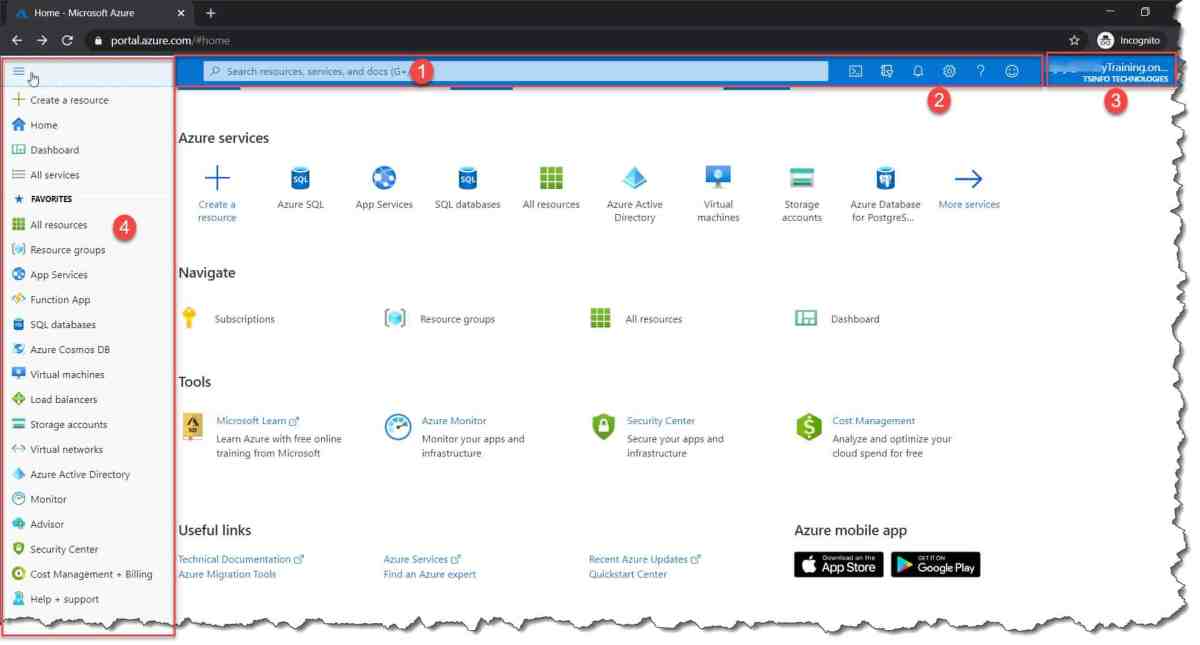
- Access the Azure portal and explore the dashboard
- Start with guided tutorials and quickstarts
Deploying Your First Virtual Machine
One of the simplest ways to experience msft azure is by deploying a virtual machine (VM). From the Azure portal, select ‘Create a resource’ > ‘Virtual Machine’. Choose an OS (Windows or Linux), size, and region. Within minutes, you’ll have a running VM accessible via Remote Desktop or SSH. This is ideal for testing applications or hosting websites.
“The first VM deployment is the gateway to mastering the cloud.” — Azure Beginner’s Handbook
Future Trends Shaping msft azure
msft azure is not static—it evolves with technological advancements and market demands. Several trends are shaping its future, from quantum computing to edge AI, positioning Azure as a leader in next-generation computing.
Quantum Computing with Azure Quantum
Azure Quantum is Microsoft’s initiative to make quantum computing accessible. It provides developers and researchers with tools to build quantum algorithms and run them on hardware from partners like IonQ and Quantinuum. While still in early stages, this technology promises breakthroughs in cryptography, material science, and optimization problems.
- Access to quantum hardware via the cloud
- Q# programming language for quantum development
- Integration with classical computing workflows
Edge Computing and AI at the Edge
As latency-sensitive applications grow, msft azure is expanding its edge computing capabilities. Azure Edge Zones and Azure IoT Edge allow AI models to run closer to data sources, such as factories or retail stores. This reduces bandwidth usage and enables real-time decision-making, crucial for autonomous systems and smart devices.
Learn more about edge innovations at Azure Edge Computing.
What is msft azure?
msft azure is Microsoft’s cloud computing platform that provides a wide range of services including computing, storage, networking, AI, and analytics. It enables businesses to build, deploy, and manage applications across a global network of data centers.
How does msft azure compare to AWS?
While AWS has a larger market share, msft azure excels in integration with Microsoft products, hybrid cloud capabilities, and enterprise support. Azure is often preferred by organizations already using Microsoft 365 or Windows Server.
Is msft azure secure?
Yes, msft azure offers robust security features including encryption, identity management, threat detection, and compliance with over 140 standards. It is trusted by governments and enterprises for handling sensitive data.
Can I use msft azure for free?
Yes, Microsoft offers a free tier with $200 in credits for 30 days and access to many always-free services. This allows users to explore Azure without upfront costs.
What industries benefit most from msft azure?
Industries such as finance, healthcare, government, education, and manufacturing benefit greatly from msft azure due to its compliance, scalability, and integration capabilities.
msft azure is more than just a cloud platform—it’s a catalyst for digital transformation. With its global infrastructure, powerful security, innovative AI tools, and seamless hybrid capabilities, it empowers organizations to build the future. Whether you’re a startup or a Fortune 500 company, msft azure provides the tools to scale, secure, and innovate. The journey to the cloud starts here, and with the right strategy, the possibilities are limitless.
Further Reading: