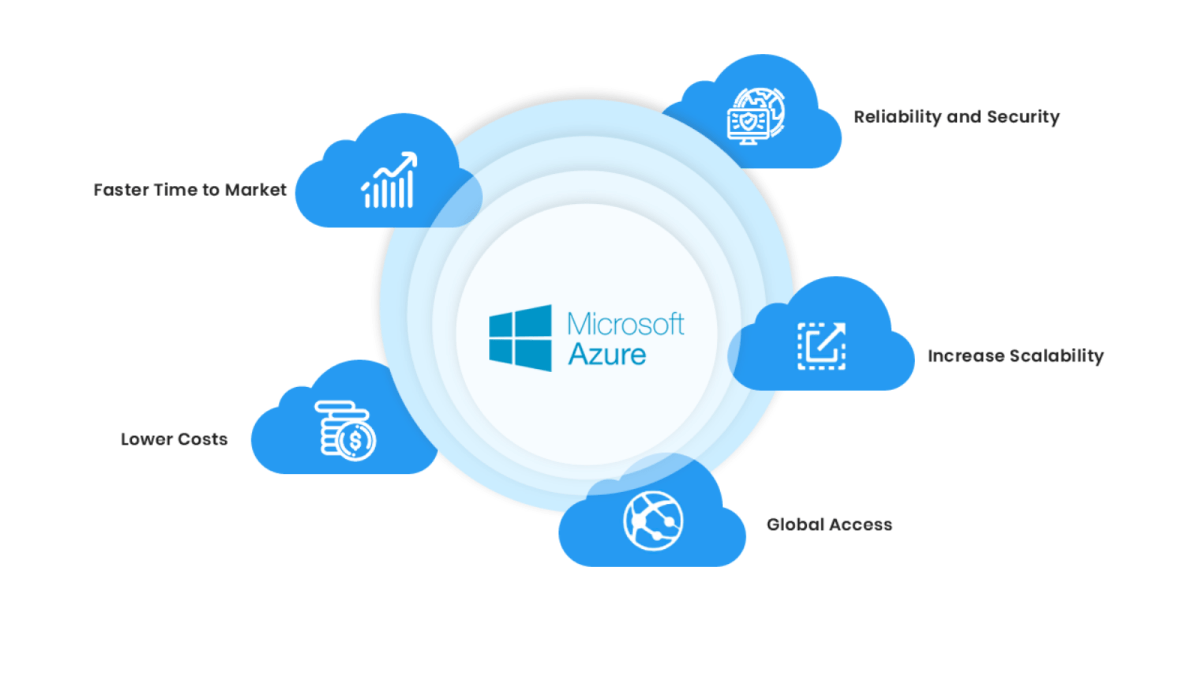
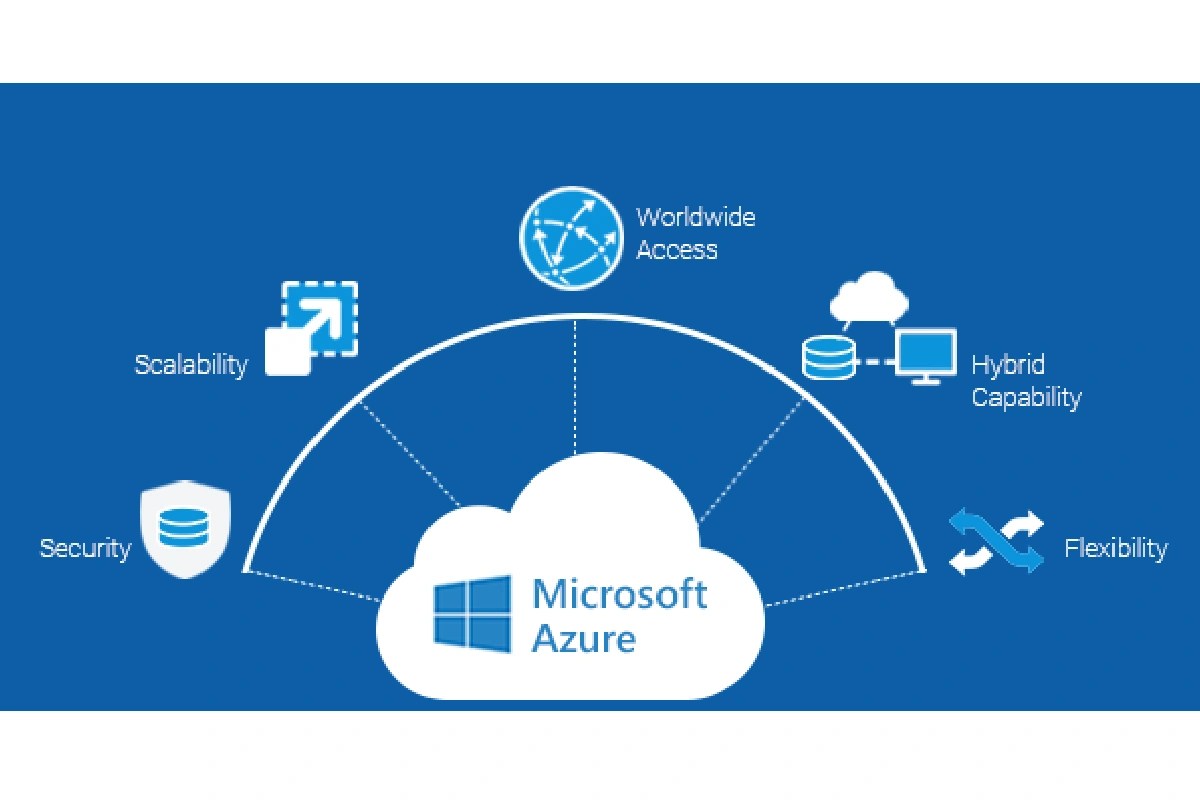
Welcome to the world of MS Azure, where cloud computing meets innovation. Discover how this powerful platform transforms businesses with scalable solutions, unmatched security, and global reach—all designed to drive digital transformation.
What Is MS Azure and Why It Matters

Microsoft Azure, commonly referred to as MS Azure, is a comprehensive cloud computing platform developed by Microsoft. Launched in 2010, it has rapidly evolved into one of the leading cloud service providers globally, second only to Amazon Web Services (AWS) in market share. MS Azure offers a vast array of services, including computing, analytics, storage, networking, and more—all delivered through a secure, scalable, and globally distributed infrastructure.

Core Components of MS Azure
At its foundation, MS Azure is built on a network of data centers located across the globe. These data centers power a wide range of services categorized into several core areas:
- Compute: Virtual machines, containers, serverless functions, and batch processing.
- Storage: Blob storage, disk storage, data lakes, and archival solutions.
- Networking: Virtual networks, load balancers, DNS, and content delivery networks (CDN).
- Databases: SQL and NoSQL databases, managed instances, and data warehousing.
- AI & Machine Learning: Cognitive services, bot frameworks, and automated ML models.
Each of these components is designed to work seamlessly together, enabling developers and enterprises to build, deploy, and manage applications efficiently in the cloud.
How MS Azure Compares to Other Cloud Platforms
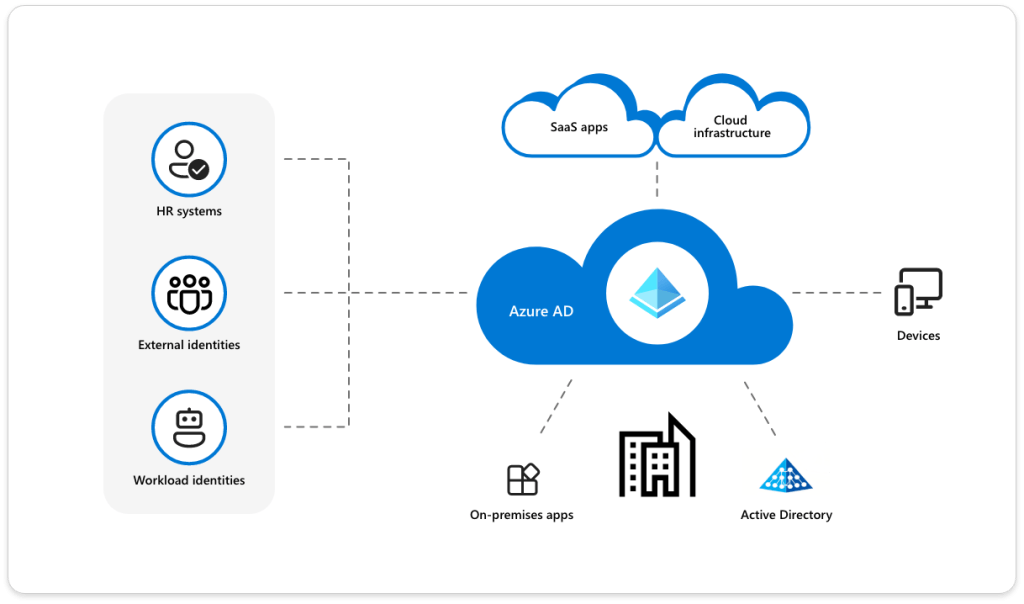
While AWS and Google Cloud Platform (GCP) are major competitors, MS Azure stands out due to its deep integration with Microsoft’s ecosystem. Organizations already using Microsoft 365, Active Directory, or .NET frameworks find it easier to migrate and manage workloads on MS Azure. According to Microsoft’s official site, over 95% of Fortune 500 companies use Azure, highlighting its enterprise-grade reliability.
“Azure is not just a cloud—it’s a bridge between on-premises systems and the future of digital innovation.” — Satya Nadella, CEO of Microsoft
Key Advantages of Using MS Azure
One of the biggest reasons businesses choose MS Azure is its flexibility and hybrid capabilities. Unlike some cloud platforms that require a full migration, Azure supports hybrid cloud models, allowing companies to keep some resources on-premises while gradually moving others to the cloud. This makes it ideal for regulated industries like finance and healthcare.
Scalability and Elasticity
MS Azure enables businesses to scale resources up or down based on demand. Whether you’re launching a new app that suddenly goes viral or managing seasonal traffic spikes, Azure’s auto-scaling features ensure performance remains consistent without over-provisioning hardware.
- Dynamic resource allocation based on real-time usage.
- Pay-as-you-go pricing model reduces operational costs.
- Support for burstable workloads via Azure Spot VMs.
Global Reach and Availability
With over 60 Azure regions worldwide, MS Azure offers one of the most extensive global footprints among cloud providers. This geographic spread ensures low-latency access, high availability, and compliance with local data sovereignty laws.
For example, a company based in Germany can host its customer-facing applications in the Frankfurt region to comply with GDPR, while using Azure’s peering connections to sync data securely with its U.S.-based analytics team. Learn more about Azure regions at Azure Global Infrastructure.
MS Azure Security and Compliance Features
Security is a top priority for any organization adopting cloud technology, and MS Azure delivers robust protection at every level. From physical data center security to advanced threat detection, Azure provides a multi-layered defense strategy.
Built-In Security Tools
Azure offers a suite of native security tools under Azure Security Center (now part of Microsoft Defender for Cloud). These include:
- Threat protection for hybrid cloud environments.
- Just-in-Time (JIT) VM access to minimize exposure.
- Network security group (NSG) recommendations and firewall management.
- Continuous vulnerability assessment and security posture monitoring.
These tools help organizations detect and respond to threats faster, reducing the risk of data breaches.
Compliance and Certifications
MS Azure complies with over 140 international and industry-specific standards, including:
- GDPR (General Data Protection Regulation)
- ISO/IEC 27001, 27017, 27018
- HIPAA (Health Insurance Portability and Accountability Act)
- SOC 1, SOC 2, SOC 3
- PCI DSS for payment processing
This makes MS Azure a trusted choice for government agencies, financial institutions, and healthcare providers. You can explore the full list of certifications at Microsoft Compliance Manager.
MS Azure for Developers and DevOps
MS Azure isn’t just for IT departments—it’s a powerful platform for developers and DevOps teams. With integrated development tools, CI/CD pipelines, and support for multiple programming languages, Azure accelerates software delivery and innovation.
Integrated Development Environments (IDEs)
Azure works seamlessly with popular IDEs like Visual Studio, Visual Studio Code, and GitHub. Developers can write, test, and deploy code directly from their local environment to Azure-hosted applications.
- Real-time debugging in the cloud.
- One-click deployment from GitHub repositories.
- Support for .NET, Node.js, Python, Java, PHP, and more.
This integration reduces friction in the development lifecycle and enhances productivity.
DevOps and CI/CD Pipelines
Azure DevOps Services provides a full suite of tools for planning, building, testing, and deploying applications. Key features include:
- Azure Pipelines for automated builds and releases.
- Boards for agile project management (Kanban, Scrum).
- Repos for Git-based source control.
- Test Plans for manual and automated testing.
- Artifacts for package management.
By using Azure Pipelines, teams can implement continuous integration and continuous deployment (CI/CD), ensuring faster release cycles and higher software quality.
“With Azure DevOps, our deployment time dropped from two weeks to under two hours.” — Tech Lead, Financial Services Firm
Cost Management and Pricing Models in MS Azure
Understanding how MS Azure pricing works is crucial for maximizing ROI. Unlike traditional IT infrastructure, where costs are fixed and upfront, Azure operates on a consumption-based model, allowing businesses to pay only for what they use.
Pay-As-You-Go vs. Reserved Instances
Azure offers several pricing options:
- Pay-As-You-Go: Ideal for startups and variable workloads. You’re billed hourly or per minute for compute, storage, and network usage.
- Reserved Instances: Commit to 1- or 3-year terms for VMs and save up to 72% compared to pay-as-you-go rates.
- Spot VMs: Use unused Azure capacity at up to 90% discount—perfect for non-critical, fault-tolerant workloads.
Choosing the right model depends on your workload stability and budget constraints.
Tools for Monitoring and Optimizing Costs
Azure provides several tools to help manage spending:
- Azure Cost Management + Billing: Track usage, set budgets, and receive alerts when thresholds are exceeded.
- Advisor Recommendations: Get personalized suggestions to reduce costs, such as resizing underutilized VMs or deleting idle resources.
- Tags and Resource Groups: Organize resources by department, project, or environment to allocate costs accurately.
These tools empower finance and IT teams to maintain control over cloud expenditures.
MS Azure AI and Machine Learning Capabilities
One of the most exciting aspects of MS Azure is its artificial intelligence (AI) and machine learning (ML) offerings. These tools enable businesses to build intelligent applications without requiring deep expertise in data science.
Cognitive Services and Pre-Built AI Models
Azure Cognitive Services provide ready-to-use APIs for common AI tasks:
- Computer Vision: Analyze images, detect objects, read text (OCR).
- Speech Services: Convert speech to text and vice versa, enable voice commands.
- Language Understanding (LUIS): Build natural language processing (NLP) models for chatbots.
- Translator Text API: Real-time language translation for global apps.
- Face API: Detect, identify, and verify human faces in photos.
These services can be integrated into applications with just a few lines of code, making AI accessible to developers of all skill levels.
Custom Machine Learning with Azure ML
For organizations that need custom ML models, Azure Machine Learning offers a full-featured environment for building, training, and deploying models at scale.
- Drag-and-drop interface for no-code model building.
- Jupyter notebook integration for data scientists.
- Automated ML to test thousands of model configurations automatically.
- Model interpretability and fairness tools to ensure ethical AI.
- Deployment to cloud, edge devices, or Kubernetes clusters.
Microsoft has partnered with NVIDIA and OpenAI to enhance Azure’s AI capabilities, making it a preferred platform for cutting-edge research and enterprise AI projects.
Real-World Use Cases of MS Azure
MS Azure isn’t just theoretical—it’s being used by organizations worldwide to solve real business challenges. From disaster recovery to digital transformation, Azure powers a wide range of applications.
Hybrid Cloud with Azure Arc
Azure Arc extends Azure’s management capabilities to on-premises servers, multi-cloud environments (like AWS and GCP), and edge devices. This allows IT teams to manage all their infrastructure from a single control plane.
- Apply consistent policies and security configurations across environments.
- Deploy Azure services (like Azure SQL Managed Instance) anywhere.
- Monitor and govern resources using Azure Policy and Azure Monitor.
For example, a manufacturing company can use Azure Arc to manage IoT devices on factory floors while syncing data to Azure for analytics.
Disaster Recovery with Azure Site Recovery
Data loss and downtime can be catastrophic. Azure Site Recovery (ASR) provides automated replication of on-premises or cloud VMs to Azure, ensuring business continuity.
- Failover and failback with minimal data loss.
- Test recovery plans without affecting production.
- Support for VMware, Hyper-V, and physical servers.
ASR is used by hospitals, banks, and telecom providers to meet strict SLAs for uptime and data integrity.
Getting Started with MS Azure: A Step-by-Step Guide
Starting with MS Azure doesn’t have to be overwhelming. Whether you’re an individual developer or an enterprise IT leader, there’s a clear path to adoption.
Create an Azure Account
Visit Azure Free Account to sign up. You’ll get:
- $200 credit for 30 days.
- Access to over 25 always-free services (e.g., Azure Functions, Blob Storage).
- Free tier access to popular tools like App Service and Cosmos DB.
This is perfect for learning, testing, and small projects.
Navigate the Azure Portal
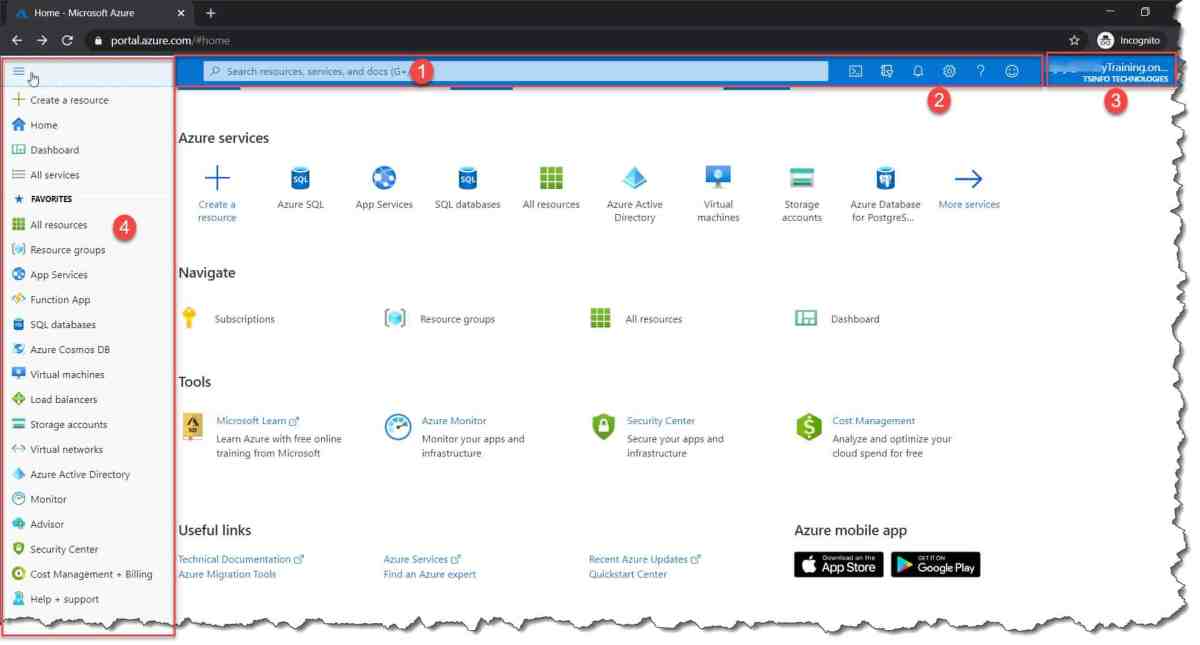
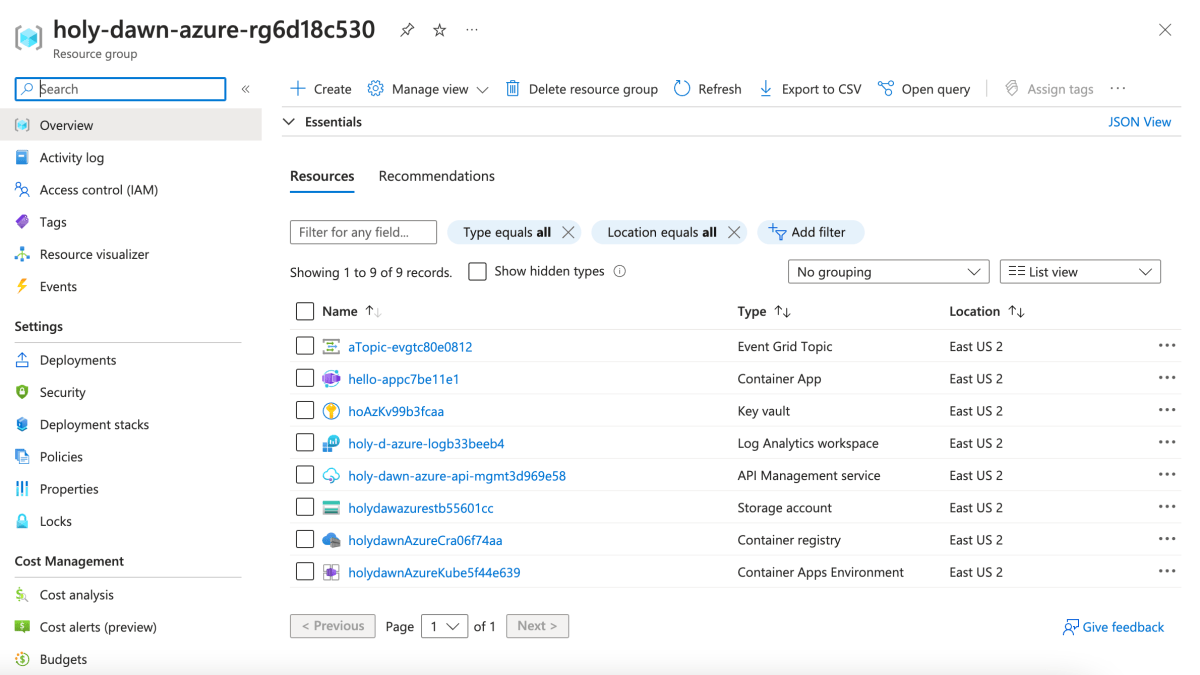
The Azure Portal (portal.azure.com) is your central hub for managing resources. Key features include:
- Dashboard customization with widgets for VMs, costs, alerts.
- Resource groups for organizing related services.
- Search bar to quickly find services (e.g., ‘Virtual Machines’).
- Marketplace for deploying pre-built solutions (e.g., WordPress, SAP).
Spend time exploring the portal to become familiar with its layout and navigation.
Deploy Your First Resource
Try deploying a simple web app:
- Click ‘Create a resource’ > ‘Web App’.
- Choose a subscription and resource group.
- Pick a runtime stack (e.g., .NET, Node.js).
- Configure scaling and monitoring options.
- Click ‘Review + Create’ and then ‘Create’.
Within minutes, your app will be live on the internet with a default azurewebsites.net URL.
What is MS Azure?
MS Azure is Microsoft’s cloud computing platform that provides over 200 services for building, deploying, and managing applications and infrastructure in the cloud. It supports a wide range of workloads, from virtual machines to AI and IoT.
How much does MS Azure cost?
Azure uses a pay-as-you-go pricing model. You can start with a free account that includes $200 in credits and access to free-tier services. Costs vary based on usage, region, and service type. Use the Azure Pricing Calculator to estimate expenses.
Is MS Azure secure?
Yes, MS Azure is highly secure, offering built-in encryption, threat detection, identity management, and compliance with over 140 standards. Microsoft invests over $1 billion annually in cybersecurity research and development.
Can I use MS Azure for machine learning?
Absolutely. Azure provides powerful tools like Azure Machine Learning, Cognitive Services, and integration with open-source frameworks like TensorFlow and PyTorch, making it ideal for AI and ML projects.
How does MS Azure compare to AWS?
While AWS has a larger market share, MS Azure excels in hybrid cloud integration, enterprise support, and seamless connectivity with Microsoft products like Office 365 and Active Directory. Many enterprises choose Azure for its familiarity and ecosystem alignment.
MS Azure has firmly established itself as a leader in the cloud computing space, offering a powerful blend of scalability, security, and innovation.Whether you’re a developer building the next big app, an IT manager overseeing enterprise infrastructure, or a business leader driving digital transformation, MS Azure provides the tools and services you need to succeed.With its global reach, robust security, and deep integration with Microsoft technologies, it’s more than just a cloud platform—it’s a strategic enabler for the future of business.
.By leveraging MS Azure’s capabilities in computing, AI, DevOps, and cost management, organizations can stay agile, reduce time-to-market, and focus on what matters most: delivering value to their customers.The journey to the cloud starts with a single step—why not make it on MS Azure?.
Further Reading: