Want to calculate Azure costs accurately and avoid surprise bills? You’re not alone. Millions of businesses struggle with cloud cost visibility. In this guide, we’ll break down everything you need to know to master your Microsoft Azure spending—no guesswork, just results.
Why You Need to Calculate Azure Costs Accurately

Understanding your cloud expenses isn’t just about saving money—it’s about making smarter business decisions. When you can calculate Azure costs with precision, you gain control over your budget, optimize resource usage, and align IT spending with business goals. Without this insight, you risk overspending, underutilizing resources, or facing unexpected charges that impact profitability.





Preventing Budget Overruns
One of the biggest challenges organizations face with cloud computing is the lack of predictable spending. Unlike traditional on-premises infrastructure, Azure operates on a pay-as-you-go model, which means costs can spike unexpectedly if not monitored. By learning how to calculate Azure costs effectively, you can set realistic budgets and receive alerts before you exceed them.
- Set monthly spending caps using Azure Budgets
- Receive proactive alerts when usage trends exceed forecasts
- Align cloud spending with financial planning cycles
“Without cost visibility, cloud adoption can quickly turn into a financial liability.” — Gartner Research
Improving Resource Efficiency
When you calculate Azure costs, you uncover inefficiencies such as idle virtual machines, over-provisioned databases, or unused storage accounts. These hidden costs add up quickly. For example, a single unattached disk can cost $5–$20 per month. Multiply that across hundreds of resources, and you’re looking at thousands in waste annually.
- Identify underutilized VMs with less than 10% CPU usage
- Detect orphaned disks and snapshots consuming storage
- Right-size services based on actual performance data
Supporting Business Accountability
Finance and IT teams often speak different languages. Calculating Azure costs bridges that gap by providing transparent, department-level reporting. This enables chargeback or showback models, where teams are billed for the resources they consume, promoting responsible usage.
- Assign costs to specific departments, projects, or teams
- Use tags to track spending by cost center or application
- Generate reports for stakeholders and executives
How to Calculate Azure Costs: Step-by-Step Framework
To truly calculate Azure costs, you need a structured approach. This isn’t just about checking your monthly bill—it’s about understanding what drives those costs and how to influence them. Follow this five-step framework to gain full control over your Azure spending.
Step 1: Identify All Active Resources
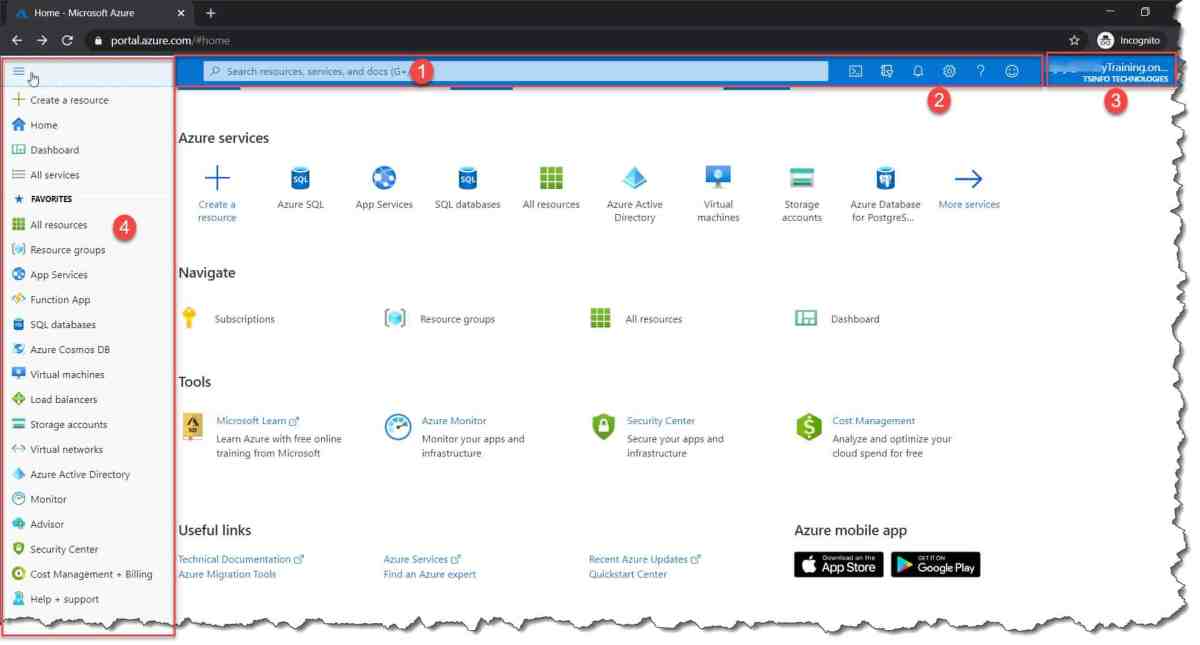
The first step to calculate Azure costs is knowing exactly what you’re running. Many organizations have shadow IT—resources deployed by developers or departments without central oversight. Use the Azure Portal’s Resource Groups and Cost Management + Billing tools to get a complete inventory.
- Navigate to Cost Management in the Azure Portal
- Filter by subscription, resource group, or location
- Export a full list of resources for audit purposes
You can also use PowerShell or Azure CLI to automate discovery:
az resource list –output table
Step 2: Understand Pricing Models
Azure offers multiple pricing models, and choosing the wrong one can double your costs. To accurately calculate Azure costs, you must understand:
- Pay-as-you-go: Standard model with no commitment
- Reserved Instances (RIs): Upfront payment for 1- or 3-year terms, saving up to 72%
- Spot VMs: Up to 90% off for non-critical, interruptible workloads
- Hybrid Benefit: Use existing Windows Server or SQL Server licenses for savings
For example, a D4s v3 VM costs $0.192/hour on pay-as-you-go but drops to $0.078/hour with a 3-year reservation—a 59% saving. Always compare options before deployment.
Step 3: Use Azure Pricing Calculator
Before deploying any resource, use the Azure Pricing Calculator to estimate costs. This free tool lets you build a virtual environment and see real-time pricing based on region, instance type, and usage patterns.
- Add VMs, databases, bandwidth, and storage
- Adjust usage hours (e.g., 24/7 vs. 8 hours/day)
- Compare scenarios side-by-side
This is essential for calculating Azure costs during the planning phase and avoiding costly surprises later.
Step 4: Enable Azure Cost Management + Billing
This native tool is your central hub to calculate Azure costs in real time. It provides detailed reports, trend analysis, and forecasting. To get started:
- Go to the Azure Portal > Cost Management + Billing
- Enable cost analysis for your subscription
- Set up budgets and alerts
You can drill down into daily or monthly costs, filter by service (e.g., Virtual Machines, Blob Storage), and even analyze spending by tags like ‘Environment=Production’ or ‘Project=CRM’.
Step 5: Forecast Future Spending
Azure’s forecasting feature uses machine learning to predict your next month’s bill based on historical usage. This is critical when you need to calculate Azure costs for upcoming quarters or plan for growth.
- View 30-day forecast in Cost Analysis
- Adjust for planned resource changes
- Compare forecast vs. budget to identify risks
For example, if your current spend is $10,000/month and the forecast shows $14,000 next month, you can investigate why—perhaps a new VM deployment or increased data transfer.
Top Tools to Calculate Azure Costs Efficiently
While Azure provides built-in tools, third-party solutions offer deeper insights, automation, and cross-cloud visibility. Here are the top tools to help you calculate Azure costs with precision.
Azure Cost Management + Billing (Native)
This is the foundation of cost visibility in Azure. It’s free for all Azure customers and integrates directly with your subscriptions.
- Real-time cost data with up to 48-hour delay
- Budgets with email and webhook alerts
- Export reports to CSV or connect to Power BI
Limitations: No multi-cloud support, limited forecasting granularity.
Azure Pricing Calculator (Pre-Deployment)
As mentioned earlier, this tool is essential for estimating costs before you deploy. It’s not just for VMs—include services like Azure Functions, Cosmos DB, and CDN.
- Save and share configurations with your team
- Download estimates as PDF for approval workflows
- Link directly to the Azure portal for quick deployment
Visit the tool here: Azure Pricing Calculator.
Third-Party Tools: CloudHealth, Apptio, and ParkMyCloud
For enterprises managing complex environments, third-party tools offer advanced features:
- CloudHealth by VMware: Real-time cost optimization, security, and compliance
- Apptio Cloudability: Detailed showback/chargeback reporting and FinOps integration
- ParkMyCloud: Automate turning off non-production resources after hours
These tools can reduce Azure costs by 20–40% through automation and deep analytics.
Common Mistakes When Trying to Calculate Azure Costs
Even experienced teams make errors when trying to calculate Azure costs. Avoid these common pitfalls to ensure accuracy and maximize savings.
Ignoring Egress Data Transfer Costs
Data transfer out of Azure (egress) is often overlooked but can be expensive. For example, transferring 10 TB of data from Azure to the internet in North America costs ~$960. Internal transfers (VNet to VNet) are free, but cross-region or outbound traffic isn’t.
- Monitor data transfer in Cost Analysis
- Use Azure CDN to reduce egress costs
- Cache frequently accessed data locally
“Data egress is the silent budget killer in cloud environments.” — Microsoft Azure Advisory Team
Overlooking Reserved Instance Utilization
Many organizations buy Reserved Instances (RIs) to save money but fail to monitor utilization. If you reserve a VM but it’s powered off 50% of the time, you’re wasting half your investment.
- Use Azure Advisor to check RI utilization
- Set up alerts for underutilized reservations
- Exchange or refund unused RIs via the Azure portal
Failing to Tag Resources
Without tags, you can’t track costs by project, team, or environment. This makes it impossible to calculate Azure costs at a granular level.
- Enforce tagging policies using Azure Policy
- Use tags like ‘Owner’, ‘Environment’, ‘CostCenter’
- Automate tagging with deployment templates (ARM, Bicep, Terraform)
Example: A tag like ‘Environment=Dev’ helps identify $5,000/month in non-production spending that could be optimized.
Advanced Strategies to Calculate Azure Costs with Precision
Once you’ve mastered the basics, it’s time to go deeper. These advanced techniques will help you calculate Azure costs with surgical accuracy and uncover hidden savings.
Implement Chargeback and Showback Models
Chargeback and showback are financial accountability models that allocate cloud costs to the teams that consume them.
- Showback: Reports costs to departments without charging them
- Chargeback: Bills departments directly for their usage
- Encourages cost-conscious behavior among developers
To implement this, use Azure tags and export cost data to finance systems like SAP or Oracle.
Use Azure Advisor for Cost Recommendations
Azure Advisor is a free tool that analyzes your environment and provides personalized cost-saving recommendations.
- Identifies idle or underutilized VMs
- Suggests Reserved Instance purchases
- Recommends moving to lower-cost storage tiers
Example: Advisor might detect a P10 disk (SSD) used for cold data and recommend switching to Standard HDD, saving 60%.
Leverage Automation for Cost Control
Manual cost management doesn’t scale. Use automation to enforce policies and reduce waste.
- Schedule VM shutdowns for dev/test environments using Azure Automation
- Use Logic Apps to send weekly cost reports to managers
- Deploy Azure Policy rules to block untagged resource creation
For example, auto-shutdown of 20 dev VMs after business hours can save $3,000/year.
How to Forecast and Optimize Future Azure Spending
Calculating Azure costs isn’t just about the past—it’s about shaping the future. Use forecasting and optimization to stay ahead of your budget.
Build Accurate Cost Forecasts
Use historical data and growth trends to project future spending. Azure’s built-in forecast is a start, but you can enhance it with:
- Seasonal usage patterns (e.g., holiday traffic spikes)
- Planned migrations or new application rollouts
- Inflation adjustments for reserved instance renewals
Combine this with Excel or Power BI for custom forecasting models.
Optimize with Reserved Instances and Savings Plans
Reserved Instances (RIs) and Savings Plans offer the deepest discounts for predictable workloads.
- RIs apply to VMs, SQL Database, Cosmos DB, and more
- Savings Plans offer flexibility across compute services
- 3-year terms offer up to 72% savings vs. pay-as-you-go
Tip: Start with 1-year reservations to test commitment levels.
Monitor and Iterate Monthly
Cloud cost optimization is not a one-time task. Establish a monthly review process:
- Review cost reports with your team
- Validate savings from previous optimizations
- Adjust budgets and forecasts as needed
This continuous improvement cycle ensures you always calculate Azure costs accurately and stay in control.
Real-World Case Studies: How Companies Calculate Azure Costs
Theory is great, but real-world examples show what’s possible. Here are two case studies of organizations that transformed their cost management.
Case Study 1: Global Retailer Cuts Azure Bill by 35%
A Fortune 500 retailer was spending $250,000/month on Azure with no visibility. They implemented:
- Resource tagging across 1,200+ resources
- Azure Cost Management + Advisor integration
- Automated shutdown of non-production environments
Result: Identified $80,000/month in waste, reduced total spend by 35%, and implemented chargeback to departments.
Case Study 2: SaaS Startup Avoids $50K Surprise Bill
A fast-growing SaaS company experienced a sudden 300% cost spike. Using Azure Cost Analysis, they discovered:
- A misconfigured backup job copying 50 TB daily
- Egress charges from a public-facing API
- Unreserved VMs running 24/7
After fixing these issues and setting up budgets, they stabilized spending and now calculate Azure costs weekly.
Future Trends in Azure Cost Management
The way we calculate Azure costs is evolving. New tools, AI, and FinOps practices are reshaping cloud financial management.
Rise of FinOps and Cloud Financial Management
FinOps (Financial Operations) is a growing discipline that brings finance, engineering, and business together to manage cloud costs. According to the FinOps Foundation, companies practicing FinOps see 15–30% cost savings.
- Real-time cost visibility across teams
- Cost as a KPI in development workflows
- Cloud cost training for engineers
AI-Powered Cost Optimization
Microsoft is integrating AI into Azure Cost Management to provide smarter recommendations. Future features may include:
- Predictive scaling based on usage patterns
- Automated rightsizing of VMs and databases
- Anomaly detection for sudden cost spikes
These tools will make it easier than ever to calculate Azure costs and act on them instantly.
Multi-Cloud Cost Comparison Tools
As organizations adopt multi-cloud strategies, tools that compare costs across AWS, Azure, and Google Cloud are gaining traction. These platforms help you calculate Azure costs in context, ensuring you’re not overpaying for equivalent services.
- Compare VM pricing across cloud providers
- Analyze total cost of ownership (TCO)
- Plan migrations based on cost efficiency
How do I start calculating my Azure costs today?
Log in to the Azure Portal, navigate to Cost Management + Billing, and run a cost analysis report. Filter by service, date range, and tags to get immediate insights.
What’s the most common cause of high Azure bills?
The top cause is unmonitored resource usage—especially VMs left running 24/7, unattached disks, and high egress data transfer. Regular audits can prevent this.
Can I automate Azure cost reporting?
Yes. Use Azure Logic Apps, Power Automate, or third-party tools to schedule and email cost reports weekly or monthly.
Are Reserved Instances worth it?
For stable, predictable workloads, yes. Reserved Instances can save up to 72% compared to pay-as-you-go. Just ensure you monitor utilization to avoid waste.
How accurate is Azure’s cost forecasting?
Azure’s forecasting is generally 85–90% accurate for stable environments. For volatile workloads, combine it with manual adjustments based on business plans.
Learning how to calculate Azure costs is no longer optional—it’s a business imperative. From using native tools like Azure Cost Management to adopting advanced strategies like FinOps and automation, every step you take brings greater control and savings. Start today by auditing your current spend, setting up budgets, and tagging your resources. With the right approach, you can reduce your Azure bill by 30% or more—without sacrificing performance.
Further Reading: