Welcome to the ultimate guide on ‘Azure what is’—your go-to resource for understanding Microsoft Azure from the ground up. Whether you’re a beginner or a tech enthusiast, this article breaks down everything in a simple, engaging way.
1. Azure What Is: A Complete Overview

When people ask, ‘Azure what is?’, they’re often looking for a clear, concise explanation of Microsoft’s cloud computing platform. Azure is not just another tech buzzword—it’s a full-fledged ecosystem that powers millions of businesses worldwide. Launched in 2010, Microsoft Azure has grown into one of the top three cloud platforms globally, alongside Amazon Web Services (AWS) and Google Cloud Platform (GCP).

Azure provides a wide range of cloud services, including computing, analytics, storage, networking, and more. These services allow organizations to build, deploy, and manage applications through Microsoft’s global network of data centers. What sets Azure apart is its deep integration with other Microsoft products like Windows Server, Active Directory, and Office 365, making it a natural choice for enterprises already embedded in the Microsoft ecosystem.
Core Components of Azure
The foundation of Azure lies in its modular architecture. Users can pick and choose services based on their needs, scaling up or down as required. Key components include virtual machines, app services, Azure Kubernetes Service (AKS), and serverless computing via Azure Functions.
- Compute: Virtual machines, containers, and serverless options.
- Storage: Blob, file, queue, and table storage solutions.
- Networking: Virtual networks, load balancers, and content delivery networks (CDN).
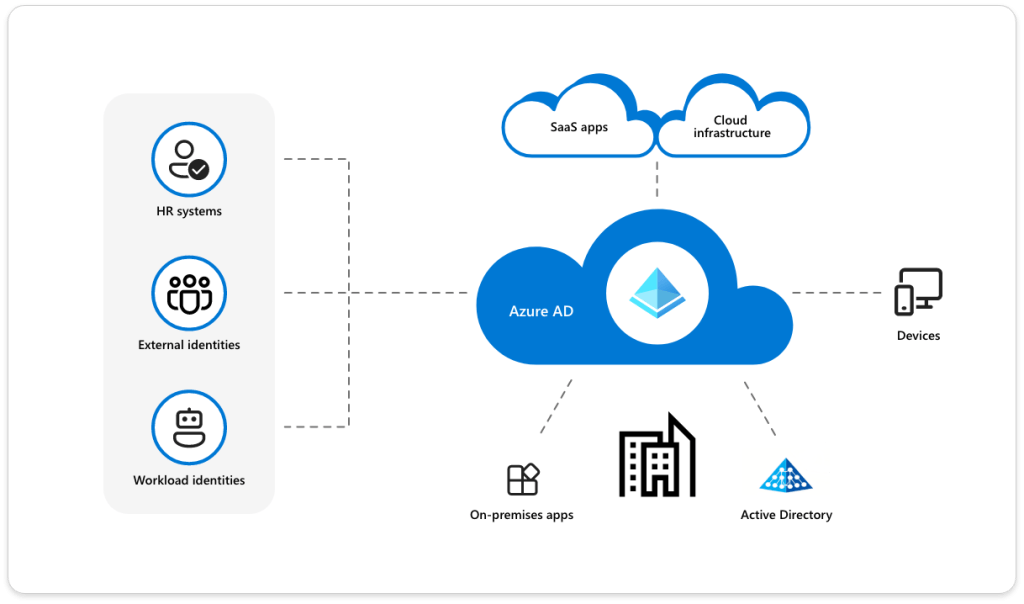
- Security & Identity: Azure Active Directory, Key Vault, and threat protection tools.
Global Infrastructure and Data Centers
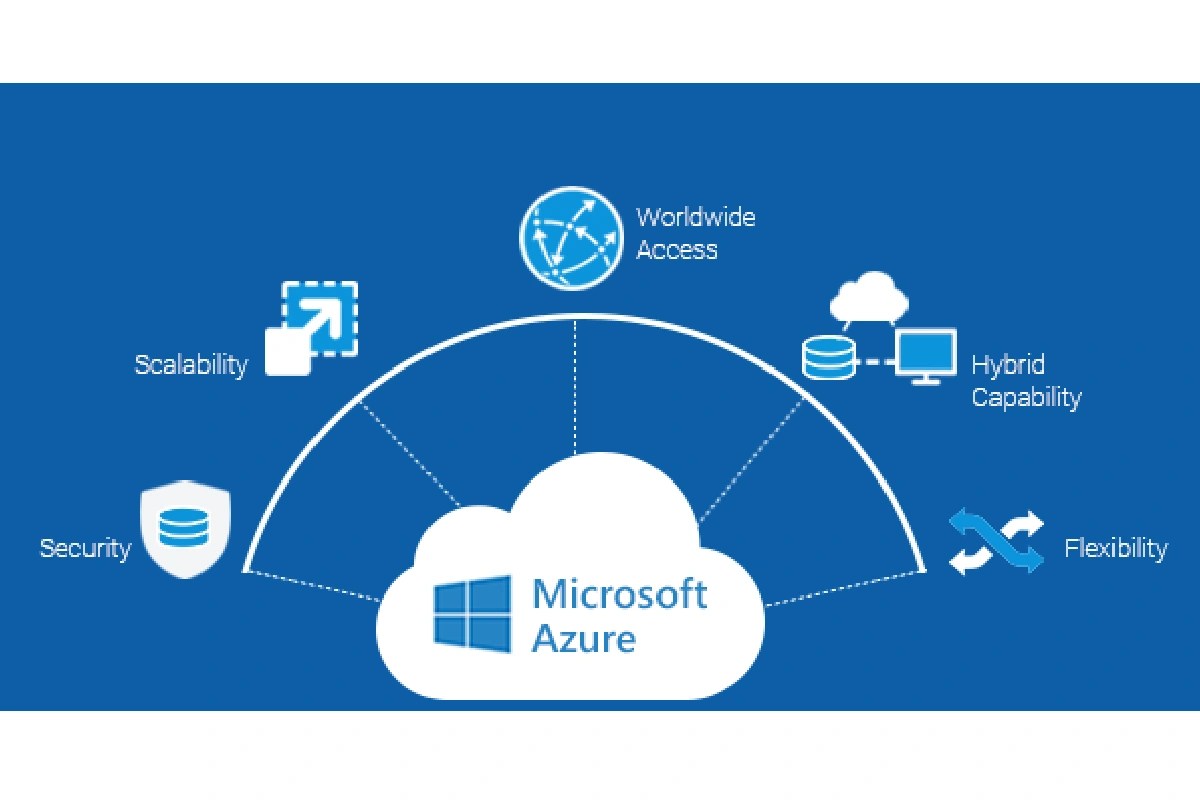
One of Azure’s biggest strengths is its global reach. With over 60 regions across the world, Azure ensures low-latency access and compliance with local data regulations. This widespread infrastructure supports high availability and disaster recovery, essential for mission-critical applications.
Each Azure region consists of one or more data centers equipped with redundant power, cooling, and networking. Microsoft continuously invests in expanding this footprint—recent additions include new regions in Africa, the Middle East, and Southeast Asia. For more details, visit Microsoft’s official regions page.
“Azure is designed to give you the freedom to build, manage, and deploy applications on a massive, global network using familiar tools and frameworks.” — Microsoft Azure Team
2. Azure What Is and How It Compares to AWS and GCP
Understanding ‘Azure what is’ also means placing it in context with its main competitors. While AWS was the first to market and remains the leader in market share, Azure has rapidly gained ground due to its hybrid capabilities and enterprise-friendly pricing models.
azure what is – Azure what is menjadi aspek penting yang dibahas di sini.
According to Synergy Research Group, as of 2023, AWS holds about 32% of the cloud infrastructure market, Azure follows with around 23%, and Google Cloud sits at 10%. However, Azure leads in hybrid cloud deployments, thanks to its seamless integration with on-premises environments through Azure Stack and Azure Arc.
Feature Comparison: Azure vs AWS vs GCP
Let’s break down how these platforms compare across key dimensions:
Hybrid Cloud Support: Azure excels here with Azure Stack and Azure Arc enabling consistent management across on-premises and cloud.Enterprise Integration: Azure integrates natively with Windows, SQL Server, and Active Directory—making it ideal for large organizations using Microsoft products.AI and Machine Learning: All three offer robust AI tools, but Azure stands out with Azure Machine Learning and Cognitive Services that are tightly integrated with Office and Dynamics 365.Pricing Models: Azure offers flexible pricing with reserved instances, hybrid benefits, and pay-as-you-go options..
Its pricing calculator is one of the most user-friendly in the industry.Market Position and Enterprise Adoption
Azure’s rise in enterprise adoption is no accident.Many Fortune 500 companies rely on Azure for critical workloads because of its compliance certifications, security features, and support for legacy systems.In fact, over 95% of Fortune 500 companies use Azure in some capacity..
Microsoft’s strong relationships with enterprise clients, combined with its licensing models (e.g., Azure Hybrid Benefit), make migration easier and more cost-effective. This strategic advantage allows Azure to compete head-to-head with AWS, especially in regulated industries like finance, healthcare, and government.
3. Azure What Is: Key Services and Capabilities
To truly grasp ‘Azure what is’, you need to explore its core services. Azure isn’t just about hosting websites—it’s a comprehensive platform that supports everything from AI to Internet of Things (IoT) to blockchain.
Compute Services
Azure offers multiple compute options tailored to different use cases:
azure what is – Azure what is menjadi aspek penting yang dibahas di sini.
- Azure Virtual Machines (VMs): Scalable VMs for Windows and Linux workloads.
- Azure App Service: Fully managed platform for web and mobile apps.
- Azure Kubernetes Service (AKS): Managed Kubernetes for container orchestration.
- Azure Functions: Serverless computing for event-driven tasks.
These services allow developers to deploy applications quickly without worrying about infrastructure management. For example, Azure Functions can automatically scale based on demand, reducing operational overhead.
Storage and Database Solutions
Data is at the heart of every application, and Azure provides versatile storage options:
- Azure Blob Storage: Ideal for unstructured data like images, videos, and backups.
- Azure Files: Cloud file shares accessible via SMB or NFS.
- Azure Table Storage: NoSQL key-value store for semi-structured data.
- Azure SQL Database: Fully managed relational database as a service (DBaaS).
- Cosmos DB: Globally distributed, multi-model database service.
Cosmos DB is particularly powerful for applications requiring low-latency access across continents. It supports multiple APIs (SQL, MongoDB, Cassandra, etc.) and guarantees single-digit millisecond latency at the 99th percentile.
Networking and Security Features
Azure’s networking capabilities ensure secure and reliable connectivity:
- Virtual Network (VNet): Isolated network environments in the cloud.
- Azure Firewall: Managed, cloud-native firewall service.
- ExpressRoute: Private connection between on-premises and Azure, bypassing the public internet.
- DDoS Protection: Built-in defense against distributed denial-of-service attacks.
Security is baked into every layer of Azure. The platform uses encryption at rest and in transit, role-based access control (RBAC), and advanced threat detection via Microsoft Defender for Cloud.
4. Azure What Is: Benefits for Businesses and Developers
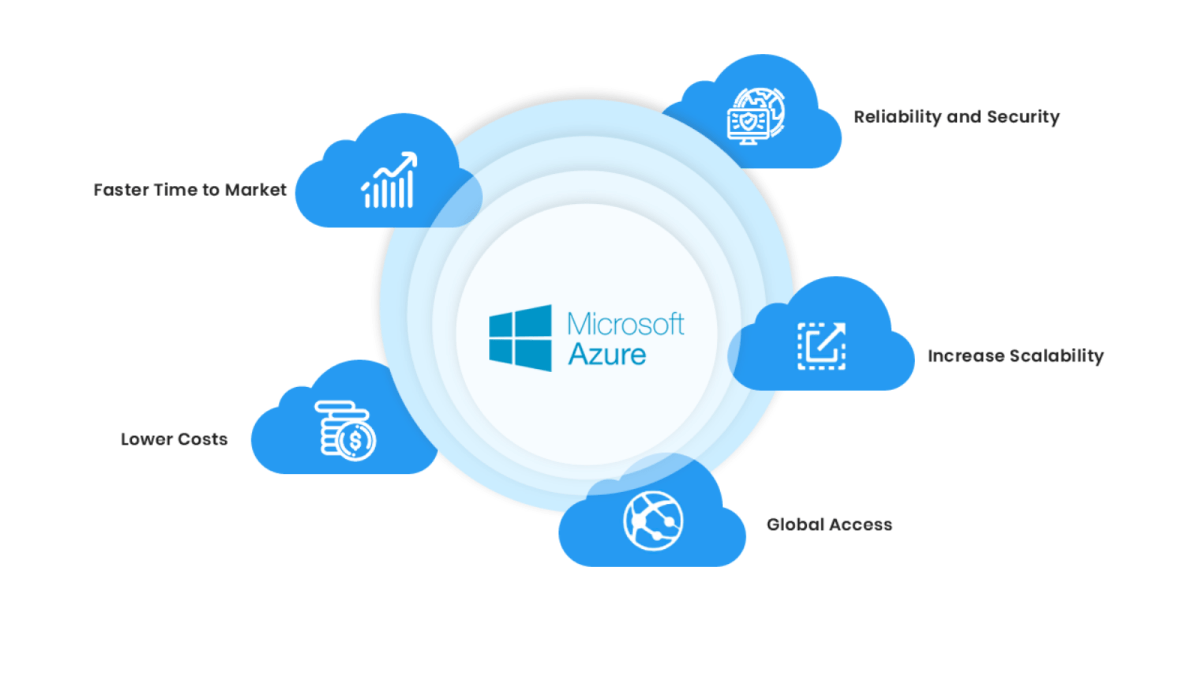
So why should businesses care about ‘Azure what is’? The answer lies in the tangible benefits it delivers across cost, agility, innovation, and security.
Cost Efficiency and Scalability
One of the biggest advantages of Azure is its pay-as-you-go pricing model. You only pay for what you use, which eliminates the need for large upfront investments in hardware. Additionally, Azure offers cost-saving features like:
azure what is – Azure what is menjadi aspek penting yang dibahas di sini.
- Azure Hybrid Benefit: Use existing Windows Server and SQL Server licenses to save up to 40% on VM costs.
- Reserved Instances: Commit to one- or three-year terms for significant discounts.
- Spot VMs: Run interruptible workloads at up to 90% off regular prices.
Scalability is another major benefit. Whether you’re handling a sudden traffic spike or planning long-term growth, Azure scales automatically to meet demand. This elasticity ensures performance without over-provisioning resources.
Developer Productivity and Tooling
Azure boosts developer productivity with integrated tools and DevOps support:
- Azure DevOps: End-to-end platform for CI/CD pipelines, agile planning, and code repositories.
- Visual Studio Integration: Seamless debugging and deployment from Visual Studio to Azure.
- GitHub Actions: Native integration with GitHub for automated workflows.
- AI-Powered Coding: GitHub Copilot integration helps write code faster.
Developers can use familiar languages and frameworks—like .NET, Node.js, Python, and Java—without being locked into proprietary systems. This flexibility accelerates development cycles and reduces learning curves.
Business Continuity and Disaster Recovery
Downtime can cost businesses thousands—or even millions—per hour. Azure provides robust solutions for business continuity:
- Azure Site Recovery: Replicate on-premises or cloud VMs to Azure for failover during outages.
- Backup Services: Automated backups for VMs, databases, and files.
- Geo-Redundant Storage (GRS): Data replicated across multiple regions for resilience.
These tools ensure that even in the event of a regional disaster, your applications can be restored quickly with minimal data loss.
5. Azure What Is: Real-World Use Cases and Industry Applications
Understanding ‘Azure what is’ becomes clearer when we look at real-world applications. Organizations across industries leverage Azure to solve complex challenges and drive innovation.
Healthcare: Secure Data Management and Telemedicine
In healthcare, Azure enables secure handling of sensitive patient data while complying with regulations like HIPAA and GDPR. For example, the University of California, San Francisco (UCSF) uses Azure to power its telemedicine platform, allowing doctors to consult patients remotely with encrypted video and data sharing.
azure what is – Azure what is menjadi aspek penting yang dibahas di sini.
Azure AI is also used to analyze medical images and predict disease progression. By leveraging machine learning models trained on vast datasets, hospitals can improve diagnostic accuracy and treatment outcomes.
Finance: Fraud Detection and Risk Analysis
Banks and financial institutions use Azure for real-time fraud detection. JPMorgan Chase, for instance, uses Azure Machine Learning to analyze transaction patterns and flag suspicious activities instantly.
Azure also supports high-frequency trading platforms by providing low-latency compute and networking. With Azure’s global presence, financial firms can deploy trading algorithms close to stock exchanges worldwide, gaining a competitive edge.
Manufacturing: IoT and Predictive Maintenance
Manufacturers use Azure IoT Hub to connect thousands of sensors on factory floors. These sensors collect data on equipment performance, temperature, vibration, and more.
Using Azure Stream Analytics and Machine Learning, companies can predict when machines are likely to fail—enabling preventive maintenance. Rolls-Royce uses Azure to monitor jet engines in real time, reducing unplanned downtime and improving fuel efficiency.
6. Azure What Is: Getting Started Guide for Beginners
If you’re new to cloud computing, understanding ‘Azure what is’ might feel overwhelming. But getting started is easier than you think. Here’s a step-by-step guide to help you begin your Azure journey.
Creating an Azure Account
Visit Azure Free Account to sign up. You’ll get $200 in credits valid for 30 days, plus access to over 25 always-free services like Azure Functions, Blob Storage, and App Service.
azure what is – Azure what is menjadi aspek penting yang dibahas di sini.
No credit card is required for the free tier, making it risk-free to explore. Once registered, you’ll have access to the Azure portal—a web-based interface to manage all your resources.
Navigating the Azure Portal
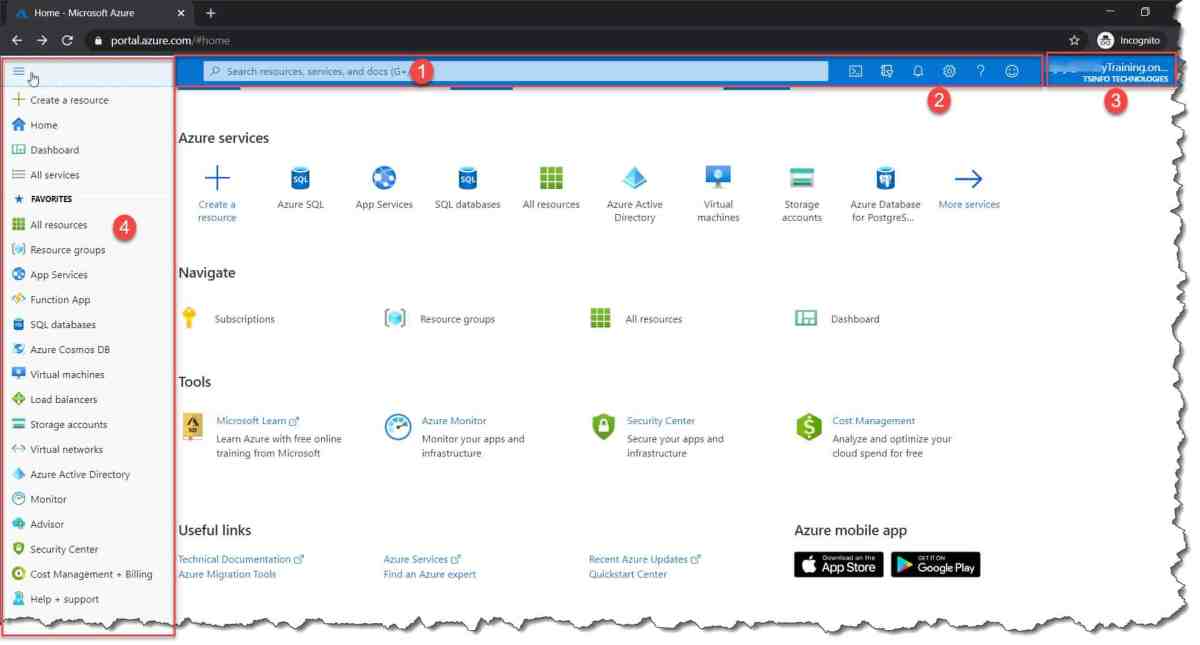
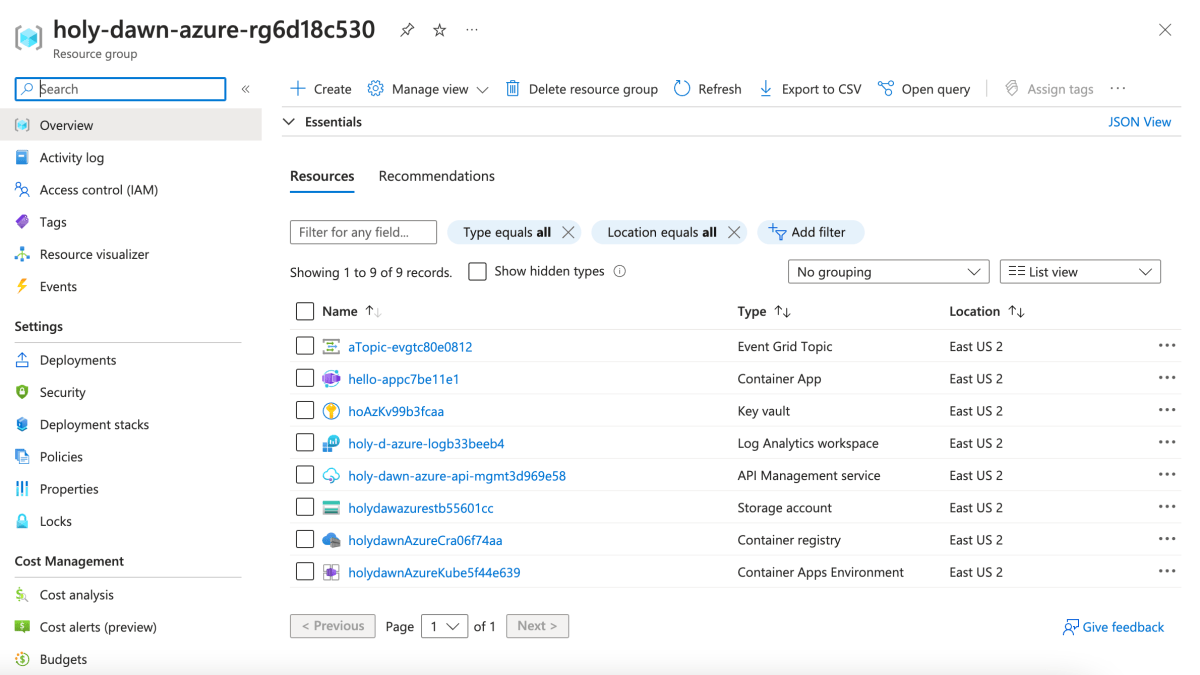
The Azure portal (portal.azure.com) is your control center. Key features include:
- Dashboard: Customize your view with frequently used services.
- Resource Groups: Organize related resources (e.g., VMs, databases) into logical groups.
- Marketplace: Deploy pre-built solutions like WordPress, Docker, or SAP.
- Monitor: Track performance, logs, and alerts.
Spend some time exploring the interface. Microsoft also offers interactive tutorials directly in the portal to help you learn by doing.
Deploying Your First Application
Let’s deploy a simple web app using Azure App Service:
- Log in to the Azure portal.
- Click “Create a resource” and search for “Web App”.
- Choose a name, runtime stack (e.g., .NET, Node.js), and region.
- Select or create a resource group.
- Click “Review + Create”, then “Create”.
- Wait a few minutes for deployment to complete.
- Once deployed, click “Go to resource” and view your live app.
Congratulations! You’ve just launched your first cloud application. From here, you can connect it to databases, add custom domains, or set up CI/CD pipelines.
7. Azure What Is: Future Trends and Innovations
The cloud landscape is evolving rapidly, and Azure is at the forefront of innovation. Understanding ‘Azure what is’ today means also looking ahead to what’s coming next.
AI and Machine Learning Integration
Microsoft is heavily investing in AI, and Azure is the backbone of this strategy. With Azure OpenAI Service, businesses can access powerful models like GPT-3.5 and GPT-4 securely within their own environments.
azure what is – Azure what is menjadi aspek penting yang dibahas di sini.
This allows companies to build intelligent chatbots, automate customer service, generate content, and analyze documents—all while maintaining data privacy and compliance. Azure’s AI services are designed to be accessible even to non-experts through drag-and-drop interfaces and pre-trained models.
Edge Computing and Azure IoT Edge
As more devices become connected, processing data at the edge (close to the source) is crucial for reducing latency. Azure IoT Edge allows you to run AI, analytics, and custom logic directly on devices like cameras, sensors, and industrial machines.
For example, a retail store can use edge devices to analyze customer behavior in real time without sending video footage to the cloud. This improves response times and reduces bandwidth usage.
Sustainability and Green Cloud Initiatives
Microsoft has committed to being carbon negative by 2030 and removing all historical emissions by 2050. Azure plays a key role in this mission by optimizing energy efficiency in data centers and using renewable energy sources.
Azure customers can also track their carbon footprint using the Azure Sustainability Calculator. This tool estimates emissions based on resource usage and suggests ways to reduce environmental impact.
As sustainability becomes a business imperative, Azure’s green cloud initiatives position it as a responsible choice for environmentally conscious organizations.
What is Azure used for?
azure what is – Azure what is menjadi aspek penting yang dibahas di sini.
Azure is used for a wide range of purposes, including hosting websites and applications, storing and analyzing data, running virtual machines, implementing AI and machine learning models, managing IoT devices, and ensuring business continuity through backup and disaster recovery solutions.
Is Azure free to use?
Azure offers a free tier with $200 in credits for 30 days and access to over 25 always-free services. While not entirely free long-term, it allows users to explore and test services without upfront costs.
How does Azure compare to AWS?
Azure and AWS are both leading cloud platforms. Azure excels in hybrid cloud integration and enterprise compatibility with Microsoft products, while AWS has a broader service catalog and slightly higher market share. The choice depends on specific business needs and existing IT infrastructure.
Do I need coding skills to use Azure?
While coding skills enhance your ability to customize and automate tasks, Azure provides many no-code/low-code tools like Power Apps, Logic Apps, and the Azure portal interface, making it accessible to non-developers.
azure what is – Azure what is menjadi aspek penting yang dibahas di sini.
Is Azure secure?
Yes, Azure is highly secure, offering encryption, identity management, threat detection, and compliance with global standards like ISO 27001, HIPAA, and GDPR. Microsoft invests over $1 billion annually in cybersecurity research and development.
In conclusion, understanding ‘azure what is’ reveals a powerful, versatile, and future-ready cloud platform. From startups to Fortune 500 companies, Azure empowers organizations to innovate, scale, and secure their digital operations. Whether you’re exploring cloud computing for the first time or optimizing enterprise infrastructure, Azure offers the tools, global reach, and support needed to succeed. The journey into the cloud starts here—and Azure is ready to lead the way.
Further Reading: