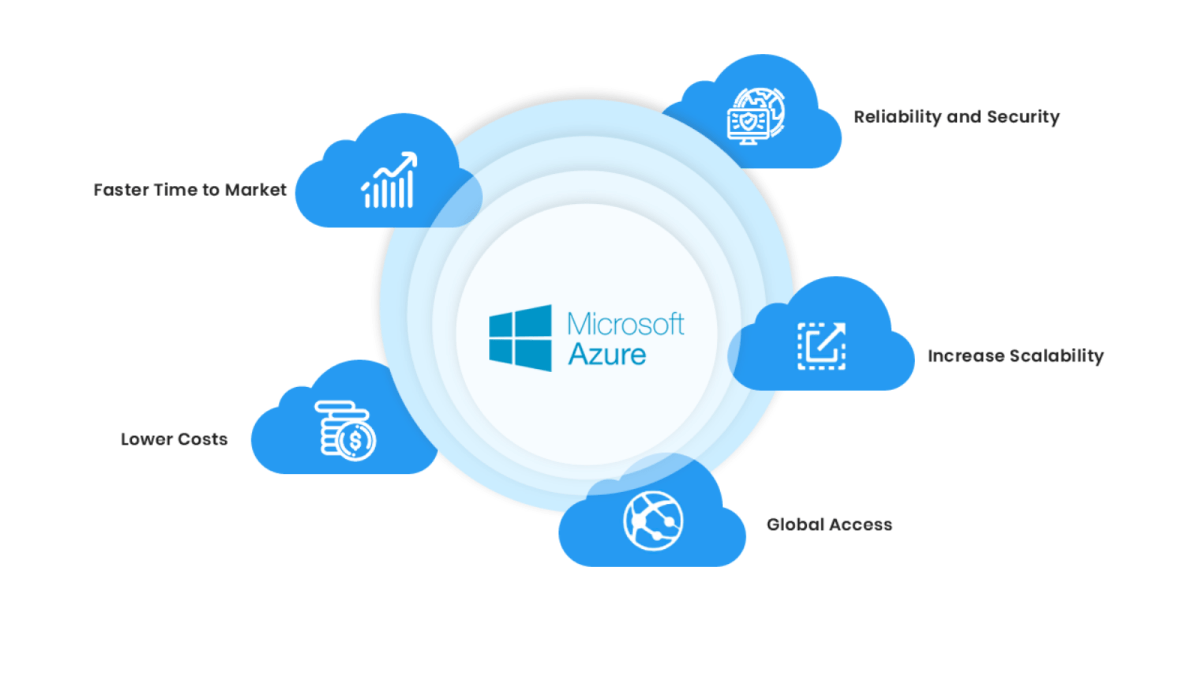
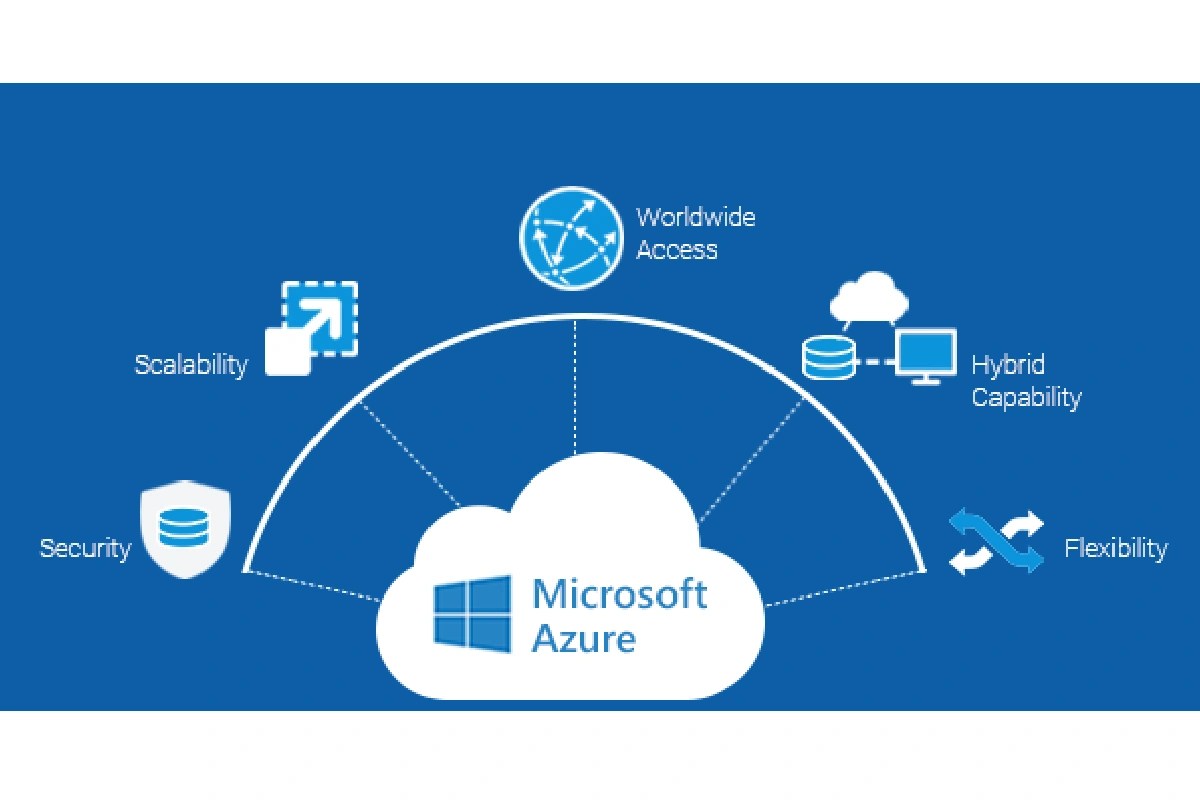
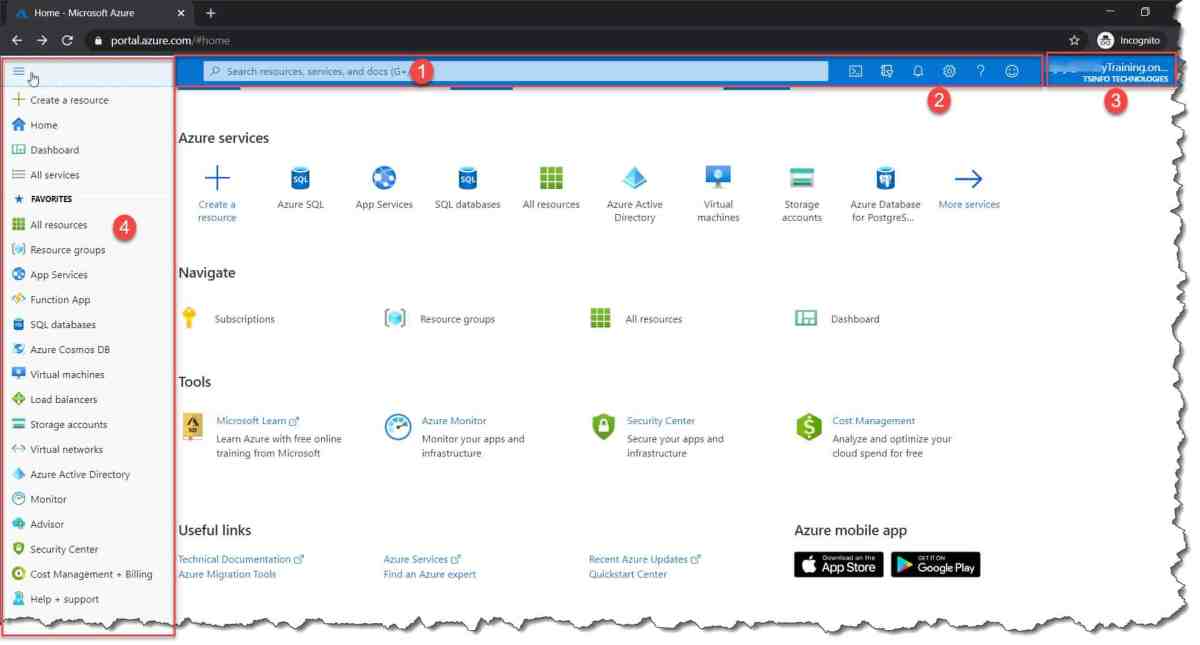
Ever wondered what makes Azure Standard a game-changer in cloud computing? It’s not just about storage or servers—it’s about scalability, security, and smart solutions that power modern businesses. Let’s dive into why Azure Standard matters.
What Is Azure Standard?

Azure Standard refers to a tier of Microsoft Azure services designed for businesses needing reliable, scalable, and cost-effective cloud infrastructure. Unlike the basic or premium tiers, the Standard tier strikes a balance between performance and affordability, making it ideal for mid-sized enterprises and growing startups.
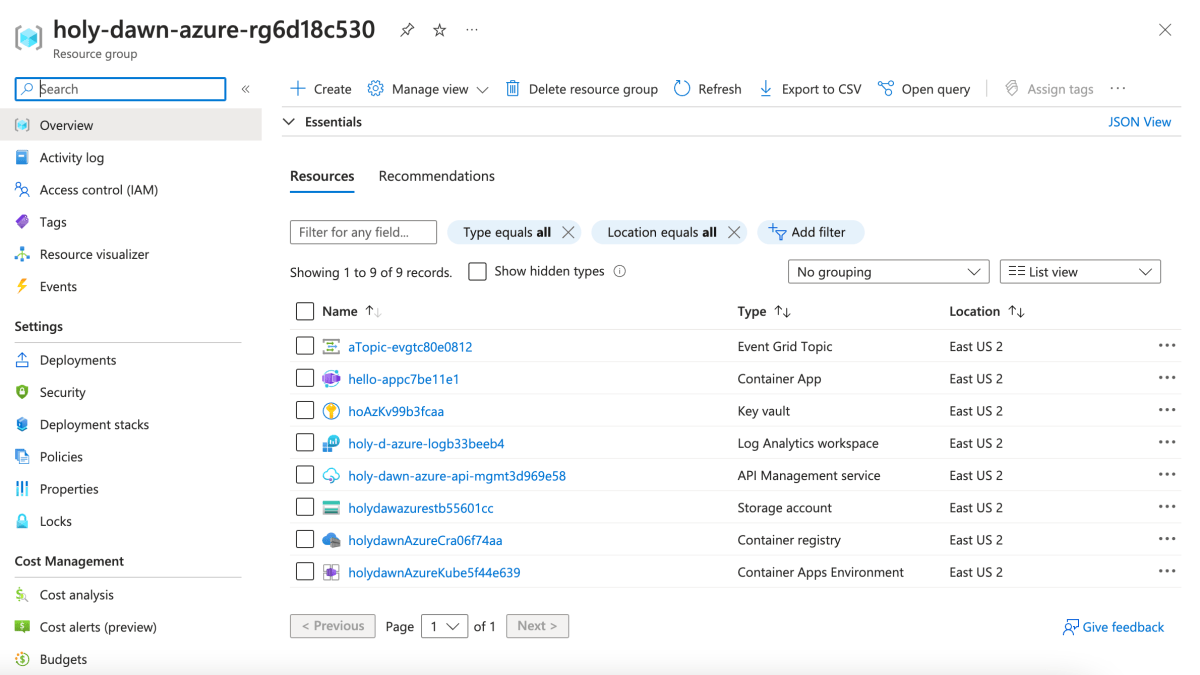



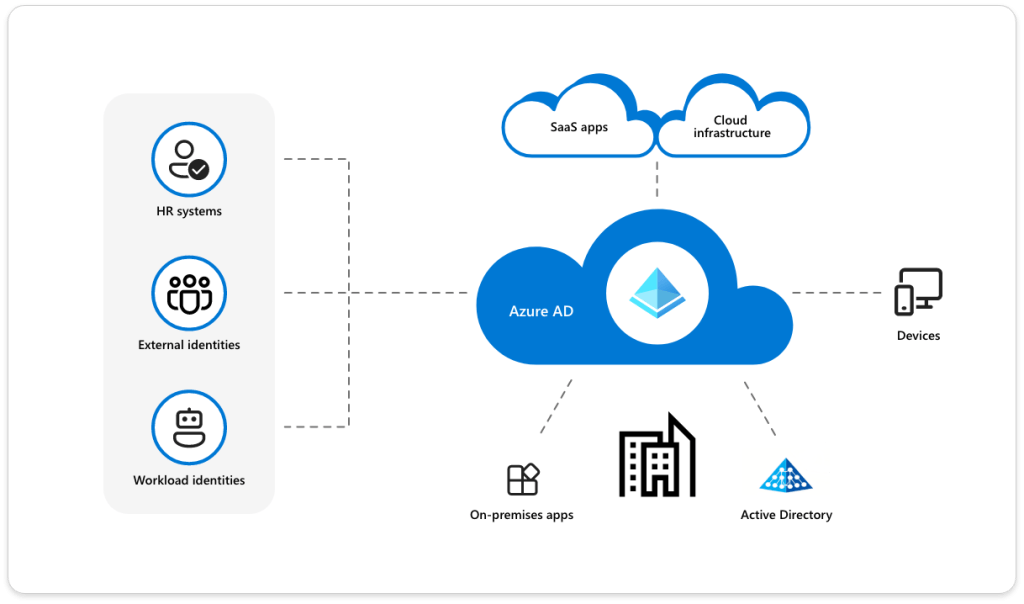

Defining the Azure Standard Tier
The Azure Standard tier encompasses a range of services including virtual machines, storage accounts, networking, and managed databases. These services are engineered to deliver high availability, redundancy, and enterprise-grade security. According to Microsoft’s official documentation, the Standard tier ensures at least 99.9% uptime for most services, backed by robust SLAs (Service Level Agreements) [1].
- Includes redundancy across multiple data centers
- Supports automated backups and disaster recovery
- Offers integration with Azure Active Directory and role-based access control (RBAC)
This tier is not just a technical classification—it’s a strategic choice for organizations aiming for operational stability without overcommitting resources.
How Azure Standard Differs from Other Tiers
Microsoft Azure offers multiple service tiers: Basic, Standard, and Premium. The Basic tier is designed for development and testing, often lacking advanced features like auto-scaling or geo-redundancy. Premium, on the other hand, is built for high-performance workloads such as real-time analytics or mission-critical applications, but at a significantly higher cost.
In contrast, azure standard provides a middle ground. For example, Azure Virtual Machines in the Standard tier come with burstable performance, load balancing, and integration with Azure Monitor for real-time insights. This makes it suitable for production environments that need reliability without the overhead of premium pricing.
“The Standard tier is where most production workloads live—it’s the sweet spot between cost and capability.” — Microsoft Azure Architect Guide
Core Features of Azure Standard
The strength of Azure Standard lies in its comprehensive feature set, engineered to support modern cloud-native applications. From infrastructure to security, the Standard tier delivers enterprise-ready capabilities out of the box.
Scalability and Elasticity
One of the most powerful aspects of azure standard is its ability to scale on demand. Whether you’re running a web application that experiences traffic spikes during holiday seasons or a backend service processing large datasets, Azure Standard allows for both vertical and horizontal scaling.
- Auto-scaling rules can be set based on CPU, memory, or network usage
- Integration with Azure Kubernetes Service (AKS) enables containerized workloads to scale seamlessly
- Supports burstable VMs (like the B-series) that can accumulate CPU credits during low-usage periods
This elasticity ensures you only pay for what you use, avoiding the pitfalls of over-provisioning. For instance, a retail company using Azure Standard VMs can scale up during Black Friday and scale down afterward, optimizing cloud spend.
High Availability and Disaster Recovery
Downtime is costly. Azure Standard addresses this with built-in redundancy and failover mechanisms. Services like Azure Blob Storage in the Standard tier offer geo-redundant storage (GRS), which replicates data across two regions hundreds of miles apart.
Additionally, Azure Site Recovery can be used to orchestrate disaster recovery for virtual machines, ensuring business continuity. This is particularly valuable for industries like healthcare and finance, where data integrity and uptime are non-negotiable.
Microsoft guarantees a 99.9% SLA for most Standard tier services, meaning you can expect less than 44 minutes of downtime per month [2]. This level of reliability is a cornerstone of the azure standard promise.
Security and Compliance in Azure Standard
In today’s threat landscape, security isn’t optional—it’s essential. Azure Standard includes a robust security framework that aligns with global compliance standards, making it a trusted choice for regulated industries.
Built-in Security Features
Every resource deployed under the azure standard umbrella benefits from Microsoft’s shared responsibility model. While customers manage application-level security, Microsoft handles physical data center security, network infrastructure, and hypervisor protection.
- Azure Firewall and Network Security Groups (NSGs) provide perimeter defense
- Encryption at rest and in transit is enabled by default for most services
- Integration with Microsoft Defender for Cloud offers continuous security monitoring and threat detection
For example, Azure Standard Storage accounts use AES-256 encryption to protect data at rest, and TLS 1.2+ for data in transit. These measures ensure that even if physical media is compromised, the data remains inaccessible.
Compliance Certifications
Azure Standard supports over 140 compliance offerings, including GDPR, HIPAA, ISO 27001, and SOC 2. This is critical for organizations operating in regulated environments.
A financial institution using Azure Standard SQL Database can confidently assert compliance with PCI DSS for handling credit card data. Similarly, healthcare providers can leverage Azure Standard services to meet HIPAA requirements for patient data protection.
Microsoft regularly publishes audit reports and compliance documentation through the Microsoft Compliance Manager, allowing organizations to assess their posture and generate compliance reports.
“Azure’s compliance coverage is unmatched in the industry—over 140 certifications and growing.” — Microsoft Trust Center
Cost Management and Pricing Models
One of the biggest advantages of azure standard is its flexible and transparent pricing. Unlike traditional on-premises infrastructure, which requires large upfront investments, Azure operates on a pay-as-you-go model.
Understanding Azure Standard Pricing
Pricing for Azure Standard services varies by resource type, region, and usage. For example, an Azure Standard SSD v2 disk is priced per GB per month, while a Standard_B2s virtual machine is billed per second of runtime.
- No long-term commitments required for most services
- Reserved Instances offer up to 72% savings for predictable workloads
- Hybrid Benefit allows customers with existing Windows Server licenses to reduce VM costs by up to 40%
The Azure Pricing Calculator is a powerful tool that lets you estimate costs before deployment. This transparency helps organizations avoid bill shock and plan budgets effectively.
Cost Optimization Strategies
While Azure Standard is cost-effective by design, further savings can be achieved through optimization. Azure Cost Management + Billing provides detailed insights into spending patterns, helping identify underutilized resources.
Common strategies include:
- Right-sizing VMs: Downgrading from over-provisioned instances to match actual workload needs
- Using auto-shutdown schedules for non-production environments
- Leveraging Azure Spot VMs for fault-tolerant, batch-processing workloads
For instance, a media company using Azure Standard VMs for video rendering can save up to 90% by switching to Spot VMs during off-peak hours.
Integration with DevOps and CI/CD Pipelines
In modern software development, speed and reliability are paramount. Azure Standard seamlessly integrates with DevOps tools and practices, enabling continuous integration and continuous deployment (CI/CD).
Support for Azure DevOps
Azure Standard environments are fully compatible with Azure DevOps, allowing teams to automate builds, tests, and deployments. Pipelines can be configured to deploy applications directly to Standard-tier VMs, App Services, or Kubernetes clusters.
- YAML-based pipelines offer version-controlled deployment scripts
- Integration with GitHub Actions enables hybrid workflows
- Blue-green and canary deployment strategies reduce deployment risks
This integration accelerates time-to-market and improves software quality by catching issues early in the pipeline.
Infrastructure as Code (IaC) Compatibility
Azure Standard supports Infrastructure as Code through tools like Azure Resource Manager (ARM) templates, Bicep, and Terraform. This allows teams to define and deploy cloud infrastructure using code, ensuring consistency and repeatability.
For example, a DevOps team can use a Bicep file to deploy a Standard-tier virtual network, load balancer, and VMs in a single command. This eliminates manual configuration errors and enables version control of infrastructure changes.
“With IaC, your infrastructure becomes as reliable and testable as your application code.” — Azure Architecture Center
Use Cases and Real-World Applications
The versatility of azure standard makes it suitable for a wide range of applications across industries. From web hosting to enterprise databases, the Standard tier powers real-world solutions.
Web and Mobile Application Hosting
Many companies use Azure Standard App Service to host web and mobile backends. This service provides automatic scaling, SSL certificates, and deployment slots for staging and production.
- Supports multiple languages: .NET, Node.js, Python, Java, PHP
- Integrates with Azure CDN for faster content delivery
- Enables custom domains and automated backups
A startup launching a SaaS platform can deploy its application on Azure Standard App Service, benefiting from high availability and low operational overhead.
Enterprise Database Solutions
Azure SQL Database in the Standard tier offers a fully managed relational database with built-in high availability and point-in-time restore. It’s ideal for CRM systems, ERP platforms, and transactional applications.
Features include:
- Automatic tuning and performance recommendations
- Threat detection and vulnerability assessment
- Geo-replication for read scalability and disaster recovery
A manufacturing company might use Standard-tier Azure SQL Database to manage inventory and order processing, ensuring data consistency and uptime.
Future-Proofing with Azure Standard
Technology evolves rapidly, and cloud platforms must keep pace. Azure Standard is not a static offering—it’s continuously updated with new features, security enhancements, and performance improvements.
Regular Updates and Innovation
Microsoft invests heavily in Azure’s evolution. The Standard tier regularly receives updates such as new VM sizes, enhanced monitoring tools, and improved networking capabilities.
- Quarterly release of new VM series optimized for AI, memory, or compute
- Integration with Azure Arc for hybrid and multi-cloud management
- Support for emerging technologies like serverless computing and edge AI
For example, the introduction of Azure Standard NVv4 VMs—powered by AMD GPUs—enables cost-effective machine learning inference workloads.
Migration and Hybrid Cloud Support
Many organizations are transitioning from on-premises data centers to the cloud. Azure Standard supports hybrid scenarios through Azure Stack and Azure Arc, allowing seamless management of resources across environments.
Tools like Azure Migrate simplify the process of assessing and moving workloads to Azure Standard. This includes:
- Server assessment and dependency mapping
- Database migration with minimal downtime
- Cost estimation and performance benchmarking
A government agency can use Azure Migrate to move legacy applications to Azure Standard VMs while maintaining compliance with data sovereignty laws.
What is Azure Standard used for?
Azure Standard is used for hosting production workloads that require high availability, scalability, and enterprise-grade security. Common use cases include web applications, enterprise databases, virtual desktop infrastructure, and DevOps environments.
Is Azure Standard free?
No, Azure Standard is not free. However, Microsoft offers a free tier with limited resources and a 12-month free trial for certain services. Most Standard-tier services operate on a pay-as-you-go pricing model.
How does Azure Standard compare to AWS EC2 Standard?
Azure Standard and AWS EC2 Standard are comparable in terms of reliability and scalability. However, Azure offers deeper integration with Microsoft products (like Active Directory and Office 365), while AWS has a broader global footprint. Pricing and performance vary by region and workload.
Can I upgrade from Basic to Azure Standard?
Yes, you can upgrade from Basic to Azure Standard at any time. This is often done as applications move from development to production. The process is seamless and typically involves changing the service tier in the Azure portal.
Does Azure Standard support hybrid cloud?
Yes, Azure Standard supports hybrid cloud scenarios through Azure Arc and Azure Stack. This allows organizations to manage on-premises, edge, and multi-cloud resources using the same tools and policies as Azure Standard services.
In conclusion, Azure Standard is more than just a cloud service tier—it’s a strategic platform for building, deploying, and scaling modern applications. With its balance of performance, reliability, and cost-efficiency, it empowers organizations to innovate without constraints. Whether you’re a startup or an enterprise, leveraging Azure Standard can accelerate your digital transformation and future-proof your IT infrastructure.
Further Reading: