Managing cloud expenses doesn’t have to be a guessing game. With the right tools, especially the Azure Price Cal, you can predict, analyze, and optimize your Microsoft Azure spending with precision and confidence.
What Is Azure Price Cal and Why It Matters

The term azure price cal often refers to the suite of pricing tools and calculators provided by Microsoft to help users estimate, monitor, and manage their cloud costs on the Azure platform. While there isn’t a standalone product officially named “Azure Price Cal,” this phrase is commonly used to describe the Azure Pricing Calculator and related cost management tools that empower businesses to forecast their cloud expenditures accurately.


Understanding the Azure Pricing Calculator
The Azure Pricing Calculator is a free, interactive tool available on the Microsoft Azure website that allows users to build a custom cloud environment and estimate its monthly cost. It covers a vast array of Azure services—from virtual machines and storage to AI, networking, and databases.
- Users can select specific regions, service tiers, and configurations.
- It supports detailed filtering by workload type (e.g., web apps, machine learning, hybrid).
- Estimates are updated in real-time as you adjust your selections.
This tool is essential for IT managers, finance teams, and cloud architects who need to create budgets, justify cloud investments, or compare Azure with other cloud providers like AWS or Google Cloud.
How Azure Price Cal Differs from Total Cost of Ownership (TCO) Tools
While the azure price cal focuses on operational and usage-based costs, the Azure TCO Calculator takes a broader view. The TCO tool compares on-premises infrastructure costs with migrating to Azure, factoring in hardware, maintenance, power, and labor.
“The Azure Pricing Calculator helps you estimate what you’ll pay monthly; the TCO Calculator shows you how much you’ll save over five years by moving to the cloud.” — Microsoft Azure Documentation
Both tools are complementary. For instance, a company planning a cloud migration might first use the TCO Calculator to justify the move, then use the azure price cal to fine-tune service selection and avoid overspending.
Step-by-Step Guide to Using Azure Price Cal
Using the azure price cal effectively requires a structured approach. Whether you’re a beginner or an experienced cloud user, following these steps will help you generate accurate and actionable cost estimates.
Step 1: Define Your Workload Requirements
Before opening the calculator, outline your technical needs. Ask:
- What services do you need? (e.g., VMs, Blob Storage, Azure SQL)
- What is your expected data transfer volume?
- Do you need high availability or disaster recovery?
- What region will host your resources?
Accurate inputs lead to reliable outputs. Misjudging bandwidth or underestimating storage can skew your azure price cal results significantly.
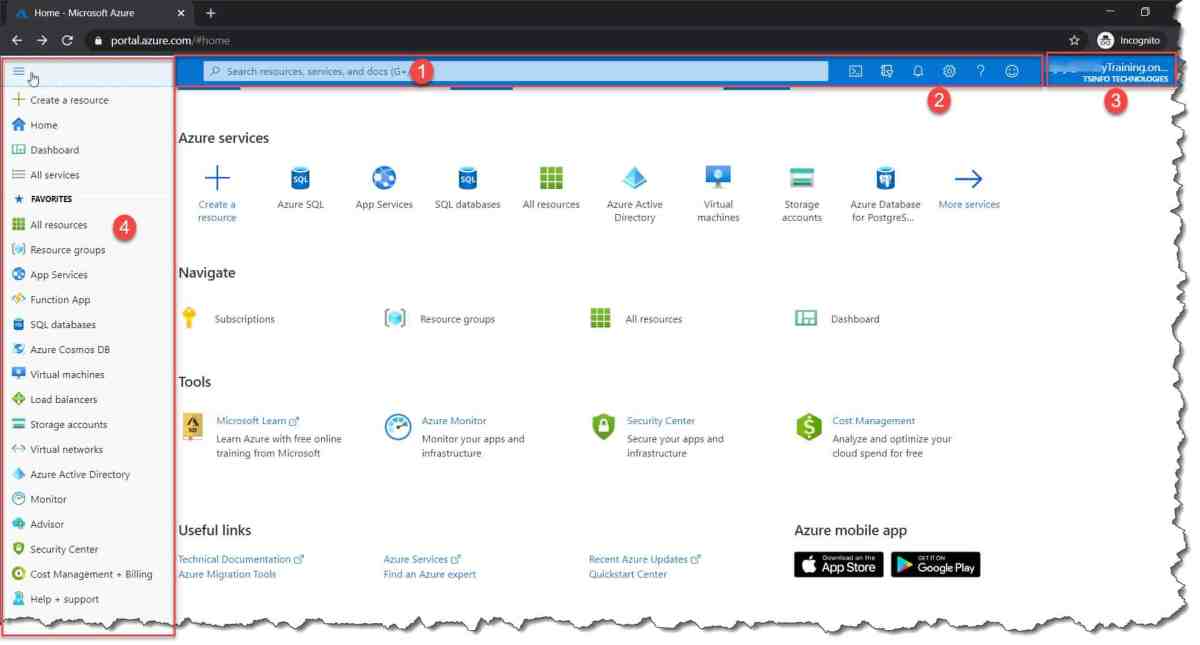
Step 2: Navigate the Azure Pricing Calculator Interface
Visit Azure Pricing Calculator and start building your estimate. The interface is intuitive:
- Search for services using the search bar.
- Add items to your estimate with one click.
- Adjust configurations (e.g., VM size, storage type) directly in the estimate.
You can save your estimates with a name and access them later by logging in with a Microsoft account. This is especially useful for teams collaborating on cloud planning.
Step 3: Optimize and Compare Scenarios
One of the most powerful features of the azure price cal is the ability to create multiple scenarios. For example:
- Compare a pay-as-you-go model vs. reserved instances.
- Test different VM families (e.g., D-series vs. B-series for burstable workloads).
- Evaluate the cost impact of using managed disks vs. standard storage.
By toggling options and observing price changes in real time, you gain insights into cost drivers and optimization opportunities.
Key Features of Azure Price Cal That Save You Money
The azure price cal isn’t just a number generator—it’s a strategic tool packed with features designed to help you control spending and avoid bill shock.
Real-Time Cost Updates and Currency Support
As you modify your configuration, the total cost updates instantly. This dynamic feedback loop allows for rapid iteration. Additionally, the calculator supports over 170 currencies, making it accessible for global enterprises and multinational teams.
You can also view costs on a monthly or hourly basis, which is helpful for short-term projects or burst computing needs.
Integration with Azure Marketplace and Hybrid Benefits
The azure price cal includes options for Azure Marketplace solutions—third-party software and services available directly on Azure. You can estimate costs for solutions like Splunk, Palo Alto Networks, or Bitnami apps.
Moreover, if your organization has existing Windows Server or SQL Server licenses with Software Assurance, you can apply Azure Hybrid Benefit in the calculator to see potential savings of up to 40% on VMs and SQL databases.
Export and Share Estimates
Once your estimate is complete, you can export it as a CSV or PDF file. This is invaluable for:
- Presenting to stakeholders or finance departments.
- Archiving for compliance or audit purposes.
- Sharing with vendors or consultants for review.
The ability to share links to your estimate (with view-only access) enhances collaboration without compromising security.
Common Mistakes When Using Azure Price Cal
Even experienced users can fall into traps when using the azure price cal. Avoiding these common errors ensures your estimates are realistic and reliable.
Overlooking Egress and Data Transfer Costs
One of the most frequent oversights is ignoring data egress fees. While inbound data transfer is free on Azure, outbound data (especially to the internet or cross-region) can add up quickly.
For example, a media company streaming video globally might underestimate egress costs by 30% or more if not accounted for in the azure price cal. Always check the networking section and input realistic bandwidth usage.
Ignoring Reserved Instance Discounts
The pay-as-you-go model is convenient, but reserving VM instances for 1 or 3 years can reduce costs by up to 72%. Many users fail to model these savings in the azure price cal, leading to inflated budget projections.
To apply reserved pricing, toggle the “Pricing tier” option in the VM configuration and select “Reserved.” You’ll immediately see the discounted rate.
Forgetting About Support and Management Tools
Some organizations focus only on core services and forget about operational tools like Azure Monitor, Log Analytics, or Backup. These services are essential for security and compliance but come with their own costs.
Include them in your azure price cal estimate to avoid surprises. For instance, storing logs for 90 days in Log Analytics can add $200–$500/month depending on volume.
Advanced Strategies for Optimizing Azure Costs
Once you’ve mastered the basics of the azure price cal, it’s time to apply advanced cost optimization strategies that go beyond simple estimation.
Leverage Azure Cost Management + Billing
The azure price cal is great for forecasting, but real-time monitoring requires Azure Cost Management + Billing. This integrated service provides:
- Detailed cost analysis by resource, department, or project.
- Budget alerts and forecasting based on historical usage.
- Recommendations for savings (e.g., shutting down idle VMs).
Link your Cost Management dashboard to the Pricing Calculator to validate assumptions and refine future estimates.
Use Tags for Cost Allocation
Tagging Azure resources (e.g., by environment, team, or project) allows for granular cost tracking. When combined with the azure price cal, you can simulate tagged environments and later verify actual spend in Cost Management.
For example, tag all development resources with “env=dev” and production with “env=prod.” Then, generate separate azure price cal estimates for each to ensure budget alignment.
Right-Size Your Resources
Over-provisioning is a silent budget killer. The azure price cal helps you experiment with different VM sizes, storage classes, and database tiers to find the optimal balance between performance and cost.
For instance, switching from a P30 to a P20 disk in Azure Managed Disks can save $100/month per disk with minimal performance impact for many workloads.
Integrating Azure Price Cal with DevOps and CI/CD Pipelines
Modern cloud environments are dynamic, and cost estimation shouldn’t be a one-time event. Integrating the azure price cal mindset into DevOps practices ensures cost awareness throughout the development lifecycle.
Automate Cost Checks in Pull Requests
While you can’t directly plug the azure price cal into GitHub, tools like Azure CLI and Terraform can estimate costs during infrastructure-as-code (IaC) deployments.
For example, a CI/CD pipeline can run a script that calculates the estimated monthly cost of new resources before deployment, alerting teams if thresholds are exceeded.
Use Azure Advisor for Continuous Optimization
Azure Advisor is a personalized cloud consultant that analyzes your deployments and provides recommendations. It integrates with the azure price cal logic by suggesting:
- Downsizing underutilized VMs.
- Enabling auto-shutdown for non-production machines.
- Purchasing reservations based on usage patterns.
These recommendations can be fed back into the azure price cal to update future estimates and track potential savings.
Train Teams on Cost-Aware Development
Empower developers with basic azure price cal training. When engineers understand the cost implications of their architecture choices—like choosing between Azure Functions and App Service—they make more economical decisions.
Some companies even gamify cost optimization, rewarding teams that deliver solutions under budget while maintaining performance.
Future of Azure Price Cal: AI and Predictive Analytics
The future of cloud cost management is intelligent, proactive, and predictive. Microsoft is continuously enhancing the azure price cal ecosystem with AI-driven insights and automation.
AI-Powered Cost Forecasting
Microsoft is integrating machine learning into Azure Cost Management to predict future spending with higher accuracy. These models analyze historical usage, seasonal trends, and growth patterns to forecast costs up to 30 days in advance.
Imagine a scenario where the azure price cal not only estimates your current setup but also simulates growth scenarios—like a 20% increase in users—and shows the financial impact.
Automated Budget Enforcement
Future versions may allow the azure price cal to enforce budgets programmatically. For example, if a project estimate exceeds $10,000/month, the system could require approval before deployment.
This would close the loop between planning and execution, making cost governance a seamless part of cloud operations.
Integration with Third-Party Tools
We’re seeing tighter integration between the azure price cal and platforms like Snowflake, Datadog, and ServiceNow. These integrations enable unified cost reporting across hybrid and multi-cloud environments.
For instance, a CFO could view Azure, AWS, and on-prem costs in a single dashboard, with data sourced from each platform’s pricing calculator and billing APIs.
What is the Azure Pricing Calculator?
The Azure Pricing Calculator is a free online tool that helps users estimate the cost of Azure services based on their specific configuration, region, and usage patterns. It’s often referred to as the “azure price cal” in informal discussions.
Can I save my estimates in the azure price cal?
Yes, you can save your estimates by signing in with a Microsoft account. This allows you to name, edit, and share your estimates later, making it easier to collaborate with teams or present to stakeholders.
Does the azure price cal include taxes?
No, the Azure Pricing Calculator does not include taxes. It provides pre-tax estimates. Taxes are calculated and applied during actual billing based on your region and tax registration status.
How accurate is the azure price cal?
The azure price cal is highly accurate for known configurations and standard usage. However, unexpected usage spikes, data transfer costs, or unaccounted services can lead to discrepancies between estimates and actual bills.
Can I use the azure price cal for reserved instances?
Yes, the azure price cal supports reserved instance pricing for services like Virtual Machines and SQL Database. You can toggle between pay-as-you-go and reserved pricing to compare costs and savings.
Mastering the azure price cal is not just about avoiding overspending—it’s about making smarter, data-driven decisions in the cloud. From initial planning to ongoing optimization, this tool is a cornerstone of effective cloud financial management. By combining accurate forecasting, real-time monitoring, and proactive governance, organizations can harness the full power of Azure without losing control of their budgets.
Recommended for you 👇
Further Reading: