Welcome to the ultimate guide on the Azure Portal—your central hub for managing Microsoft’s cloud ecosystem. Whether you’re a beginner or a seasoned cloud architect, mastering this powerful platform can transform how you deploy, monitor, and scale resources. Let’s dive in.
What Is the Azure Portal and Why It Matters

The Azure Portal is Microsoft’s web-based interface for managing cloud services and resources within the Azure ecosystem. It serves as a centralized control panel where users can deploy virtual machines, configure networks, monitor performance, and manage security—all through an intuitive graphical user interface (GUI). Unlike command-line tools or APIs, the Azure Portal makes cloud management accessible to users of all skill levels.


Definition and Core Purpose
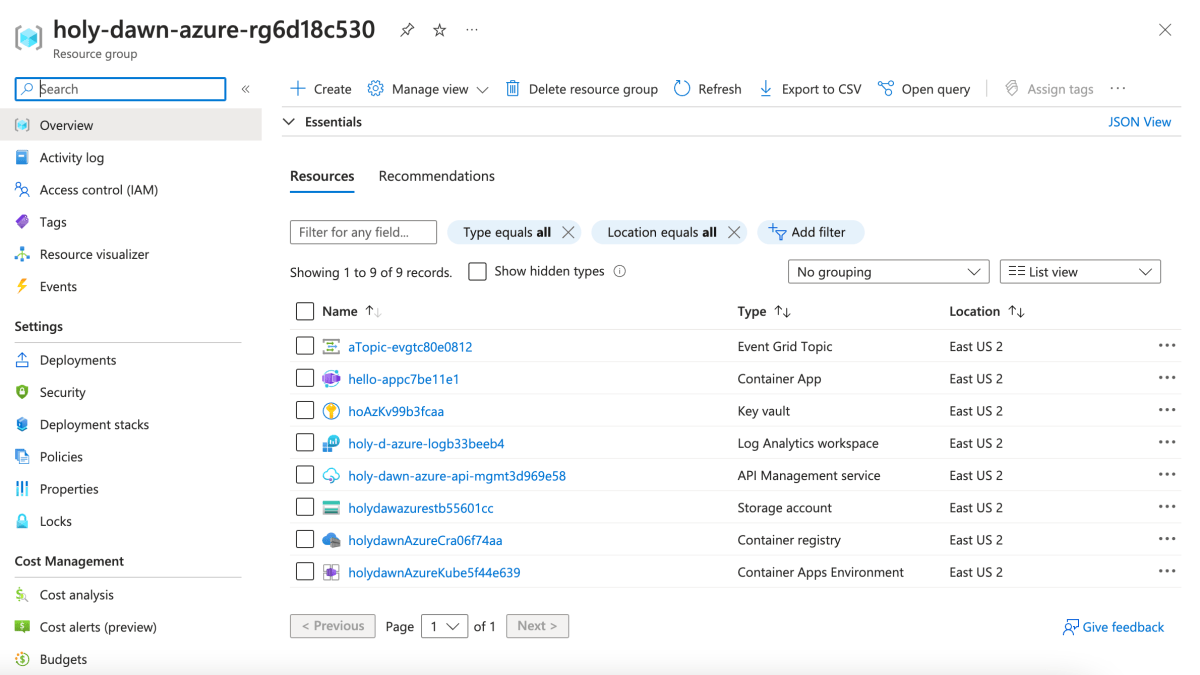
The Azure Portal is not just a dashboard—it’s a comprehensive management suite. It allows users to interact with Azure services such as Azure Virtual Machines, Azure Blob Storage, Azure App Services, and Azure Active Directory. Its primary purpose is to simplify cloud infrastructure management by providing visual tools, real-time monitoring, and integrated workflows.
- Acts as a single entry point for all Azure services
- Supports role-based access control (RBAC) for team collaboration
- Enables resource grouping via Resource Groups for better organization
How It Fits Into the Microsoft Cloud Ecosystem
The Azure Portal is deeply integrated with other Microsoft cloud platforms like Microsoft 365, Dynamics 365, and Power Platform. This integration allows businesses to create end-to-end solutions that span productivity, customer relationship management, and data analytics—all managed from one place.
For example, an organization using Microsoft 365 can extend its identity management to the cloud using Azure Active Directory (Azure AD), which is fully accessible and configurable through the Azure Portal. This seamless integration enhances security and simplifies user provisioning across platforms.
“The Azure Portal is the cockpit of your Azure environment—everything you need to fly your cloud operations is right there.” — Microsoft Cloud Architect, TechWorld 2023
Navigating the Azure Portal Interface Like a Pro
One of the biggest advantages of the Azure Portal is its user-friendly design. However, its depth and breadth can be overwhelming at first. Understanding the layout and navigation tools is essential for efficient cloud management.
Dashboard and Hub-and-Spoke Navigation Model
The Azure Portal uses a hub-and-spoke model, where the dashboard acts as the central hub, and individual services (like Compute, Networking, Storage) are the spokes. Users can customize their dashboard by pinning frequently used resources, charts, and monitoring widgets.
- Dashboards are user-specific and can be shared across teams
- Pinned tiles provide quick access to critical metrics and actions
- Custom views help streamline workflows for DevOps, security, and finance teams
Search, Filters, and Quick Access Tools
The global search bar at the top of the Azure Portal is one of its most powerful features. It allows users to instantly locate resources, services, or settings by name or type. For example, typing “VM” will show all virtual machines, related services, and configuration options.
Beyond search, the portal offers advanced filtering options when viewing resource lists. You can filter by resource group, region, subscription, tag, or status. This is especially useful in large enterprises managing thousands of resources across multiple subscriptions.
Additionally, the Quickstart Center provides guided tours and task-based recommendations, helping new users get up to speed quickly. Microsoft also offers comprehensive documentation to help users master navigation.
Managing Subscriptions and Resource Groups
At the heart of Azure management are subscriptions and resource groups. These organizational units determine how resources are grouped, billed, and secured. Mastering them is crucial for effective cloud governance.
Understanding Azure Subscriptions
An Azure subscription is a logical container for Azure resources that are billed together. Each subscription is linked to an Azure Active Directory tenant and has spending limits, service quotas, and access policies. Organizations often use multiple subscriptions to separate environments (e.g., development, testing, production) or departments (e.g., finance, HR, IT).
- Subscriptions control billing and cost tracking
- They enforce service limits and regional availability
- Role-Based Access Control (RBAC) is applied at the subscription level
For example, a company might have one subscription for its production workloads with strict security policies and another for sandbox environments where developers can experiment freely.
Organizing Resources with Resource Groups
Resource groups are containers that hold related resources for an Azure solution. They allow you to manage, monitor, and deploy resources as a single unit. When you delete a resource group, all its resources are deleted together—making cleanup easy.
Best practices suggest grouping resources by lifecycle and ownership. For instance, a web application might have a resource group containing a virtual machine, a database, and a public IP address—all deployed and scaled together.
Resource groups also support tags, which are key-value pairs used for metadata. Tags can be used for cost allocation (e.g., “Department: Marketing”), environment tracking (e.g., “Env: Production”), or compliance labeling.
Deploying and Managing Cloud Resources via Azure Portal
The Azure Portal excels at simplifying the deployment and management of cloud resources. From virtual machines to serverless functions, everything can be provisioned with just a few clicks.
Launching Virtual Machines and App Services
Creating a virtual machine (VM) in the Azure Portal is straightforward. You start by selecting “Create a resource,” then choose “Virtual Machine.” From there, you can select the operating system, size, region, and networking options. The portal provides cost estimates in real time, helping you make informed decisions.
- Supports Windows, Linux, and specialized OS images
- Offers pre-configured VM sizes optimized for compute, memory, or GPU workloads
- Integrates with Azure Backup and Azure Monitor for protection and visibility
Similarly, deploying an Azure App Service (used for web apps and APIs) is a guided process. You can connect directly to GitHub or Azure DevOps for continuous deployment, enabling CI/CD pipelines without leaving the portal.
Configuring Storage Accounts and Databases
Storage is a foundational component of any cloud architecture. The Azure Portal allows you to create and manage storage accounts for blobs, files, queues, and tables. You can configure redundancy options (LRS, ZRS, GRS) and enable features like soft delete and versioning for data protection.
For databases, Azure offers multiple options including Azure SQL Database, Cosmos DB, and MySQL/PostgreSQL flexible servers. All can be provisioned through the portal with customizable performance tiers, backup policies, and firewall rules.
One standout feature is the Deployment Center in App Services, which provides step-by-step guidance for connecting source code repositories and automating deployments. This reduces configuration errors and accelerates time-to-market.
Monitoring and Securing Your Environment in Azure Portal
Visibility and security are non-negotiable in cloud environments. The Azure Portal integrates powerful tools like Azure Monitor, Azure Security Center, and Azure Advisor to ensure your resources are performing well and protected against threats.
Using Azure Monitor and Metrics Explorer
Azure Monitor collects telemetry from your resources, including logs, performance counters, and application insights. Through the portal, you can create custom dashboards, set up alerts, and analyze trends using Metrics Explorer.
- Real-time monitoring of CPU, memory, disk, and network usage
- Custom alert rules based on thresholds (e.g., CPU > 90% for 5 minutes)
- Integration with Log Analytics for advanced querying using Kusto Query Language (KQL)
For example, you can set up an alert that notifies your team via email or SMS when a web app becomes unresponsive. These alerts can also trigger automated responses using Azure Automation or Logic Apps.
Implementing Security and Compliance with Azure Security Center
Azure Security Center (now part of Microsoft Defender for Cloud) provides unified security management and advanced threat protection. It continuously assesses your environment for vulnerabilities and offers actionable recommendations.
In the Azure Portal, you can view a security score, which reflects how well your resources comply with best practices. You can also enable threat detection for SQL injection, brute force attacks, and suspicious network traffic.
Key features include:
- Just-in-Time VM access to minimize exposure
- Network security group (NSG) recommendations
- Secure score tracking and compliance dashboards
Microsoft provides a detailed guide on securing Azure workloads, which is accessible directly from the portal.
Automating Tasks with Azure Portal Tools
While the Azure Portal is GUI-driven, it also supports automation to reduce manual effort and improve consistency. You can generate templates, schedule tasks, and integrate with DevOps pipelines—all from the same interface.
Creating and Using ARM Templates
Azure Resource Manager (ARM) templates are JSON files that define the infrastructure and configuration of your Azure resources. The Azure Portal allows you to export templates from existing resources, making it easy to replicate environments.
For example, if you’ve configured a complex web application with load balancers, VMs, and databases, you can export its ARM template and reuse it in another region or subscription. This ensures consistency and speeds up deployment.
- Templates support parameters for customization (e.g., VM size, region)
- Can be version-controlled in Git for team collaboration
- Deployable via Azure CLI, PowerShell, or CI/CD pipelines
Leveraging Automation Accounts and Runbooks
Automation Accounts allow you to run PowerShell or Python scripts (called runbooks) on a schedule or in response to events. Common use cases include starting/stopping VMs outside business hours to save costs, cleaning up unused resources, or rotating credentials.
From the Azure Portal, you can create, test, and monitor runbooks with built-in logging and error tracking. You can also trigger runbooks from alerts or Logic Apps, enabling event-driven automation.
This level of automation not only reduces operational overhead but also minimizes human error—critical for maintaining compliance and reliability.
Collaboration and Access Management in Azure Portal
In enterprise environments, multiple teams often need access to the same Azure resources. The Azure Portal provides robust tools for managing user access, roles, and permissions—ensuring security without sacrificing productivity.
Role-Based Access Control (RBAC) Explained
RBAC allows you to assign granular permissions to users, groups, or service principals. Instead of giving full admin rights, you can assign roles like “Reader,” “Contributor,” or custom roles with specific permissions.
- Predefined roles include Owner, Contributor, Reader, and more
- Custom roles can be created for specialized needs (e.g., “VM Operator”)
- Scope can be applied at subscription, resource group, or individual resource level
For example, a developer might have Contributor access to a dev resource group but only Reader access to production. This principle of least privilege enhances security.
Managing Users and Groups with Azure Active Directory
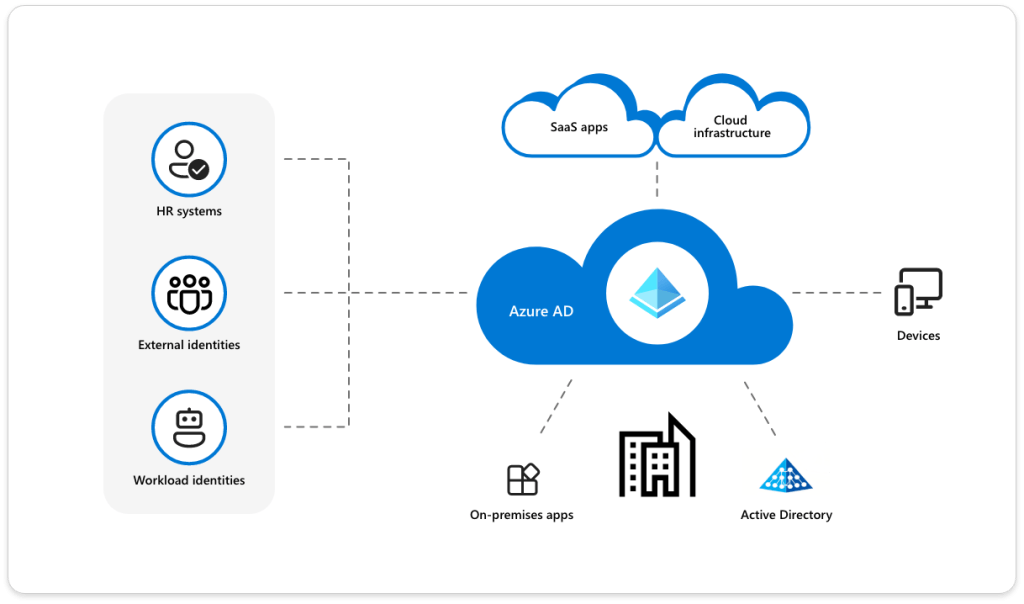
Azure Active Directory (Azure AD) is the identity backbone of the Azure Portal. It enables single sign-on (SSO), multi-factor authentication (MFA), and conditional access policies.
Through the portal, administrators can:
- Add or remove users and assign licenses
- Create security groups and assign them to Azure roles
- Configure MFA and passwordless authentication
Integration with on-premises Active Directory via Azure AD Connect allows hybrid identity management, making it easier for organizations transitioning to the cloud.
Advanced Tips and Hidden Features in Azure Portal
Even experienced users can overlook some of the Azure Portal’s most powerful features. Here are a few advanced tips that can boost your productivity and control.
Using Cloud Shell for CLI and Scripting
Azure Cloud Shell is a browser-based shell accessible directly from the portal. It supports both Bash and PowerShell and comes pre-installed with Azure CLI, Azure PowerShell, and common tools like Git and Docker.
You can use Cloud Shell to run commands, edit scripts with a built-in code editor, and even mount a persistent storage account for your files. It’s perfect for quick troubleshooting or automation tasks without needing a local setup.
- No installation required—runs entirely in the browser
- Automatically authenticated with your portal session
- Supports file transfer via drag-and-drop
Customizing Dashboards and Saved Queries
The Azure Portal allows you to create highly customized dashboards with widgets from different services. You can also save frequently used Log Analytics queries and pin them to your dashboard for one-click access.
For example, a DevOps team might create a dashboard showing application error rates, deployment status, and infrastructure health—all in one view. This reduces context switching and improves incident response times.
Microsoft encourages users to explore the dashboard customization guide to unlock its full potential.
What is the Azure Portal?
The Azure Portal is a web-based interface provided by Microsoft for managing cloud resources on Azure. It offers a graphical dashboard to deploy, monitor, and manage services like virtual machines, storage, databases, and networking—all from a single, unified platform.
How do I access the Azure Portal?
You can access the Azure Portal by visiting portal.azure.com and signing in with your Microsoft account or organizational credentials. Multi-factor authentication is recommended for security.
Is the Azure Portal free to use?
Yes, the Azure Portal itself is free to use. However, the resources you create and manage through it (like VMs, storage, and databases) incur costs based on usage. Azure offers a free tier and $200 credit for new users to explore services.
Can I automate tasks in the Azure Portal?
Absolutely. The Azure Portal supports automation through ARM templates, Azure Automation runbooks, Logic Apps, and integration with DevOps tools. You can also use Cloud Shell to run CLI or PowerShell scripts directly from the browser.
What are the best practices for securing the Azure Portal?
Best practices include enabling multi-factor authentication (MFA), using role-based access control (RBAC), monitoring sign-in logs, applying conditional access policies, and regularly reviewing user permissions. Microsoft Defender for Cloud also provides proactive security recommendations.
Mastering the Azure Portal is essential for anyone working with Microsoft Azure. From deploying virtual machines to securing your environment and automating workflows, the portal offers a comprehensive suite of tools in a user-friendly interface. By understanding its navigation, leveraging automation, and applying security best practices, you can maximize efficiency and control in the cloud. Whether you’re a developer, administrator, or decision-maker, the Azure Portal is your gateway to unlocking the full potential of Azure.
Recommended for you 👇
Further Reading: