Navigating the Azure login portal doesn’t have to be complicated. Whether you’re a cloud beginner or an IT pro, this guide breaks down everything you need to know to access, manage, and secure your Microsoft Azure environment with confidence and ease.
Understanding the Azure Login Portal: What It Is and Why It Matters

The Azure login portal is the primary gateway to Microsoft’s cloud computing platform. Millions of users worldwide rely on it daily to manage virtual machines, databases, networking, and enterprise applications. But what exactly is it, and why is it so critical in today’s digital infrastructure?



What Is the Azure Login Portal?
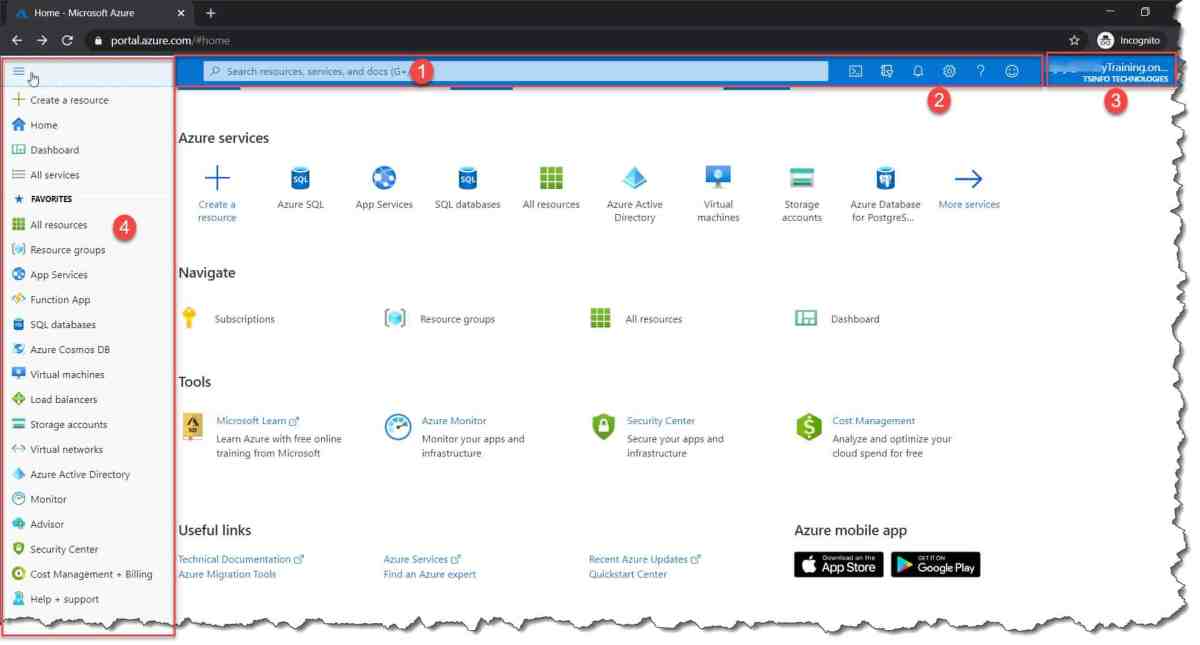
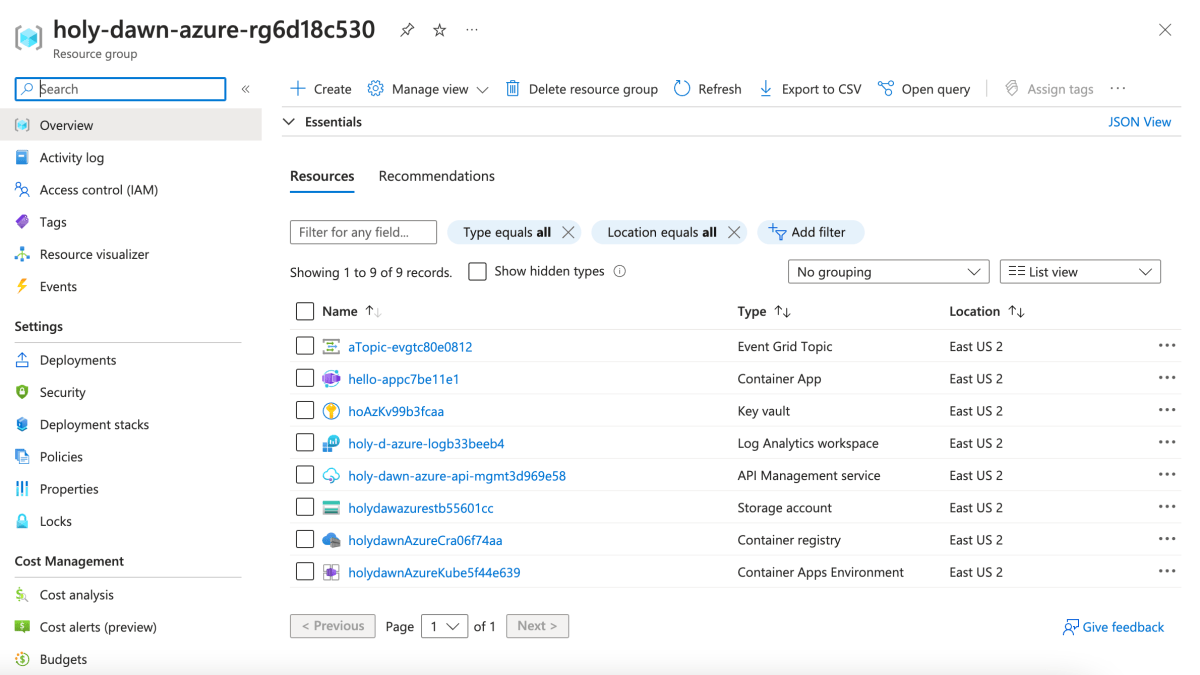
The Azure login portal, officially known as the Azure portal, is a web-based interface that allows users to interact with Azure services. It serves as a centralized dashboard where administrators, developers, and business users can deploy, configure, monitor, and manage cloud resources.
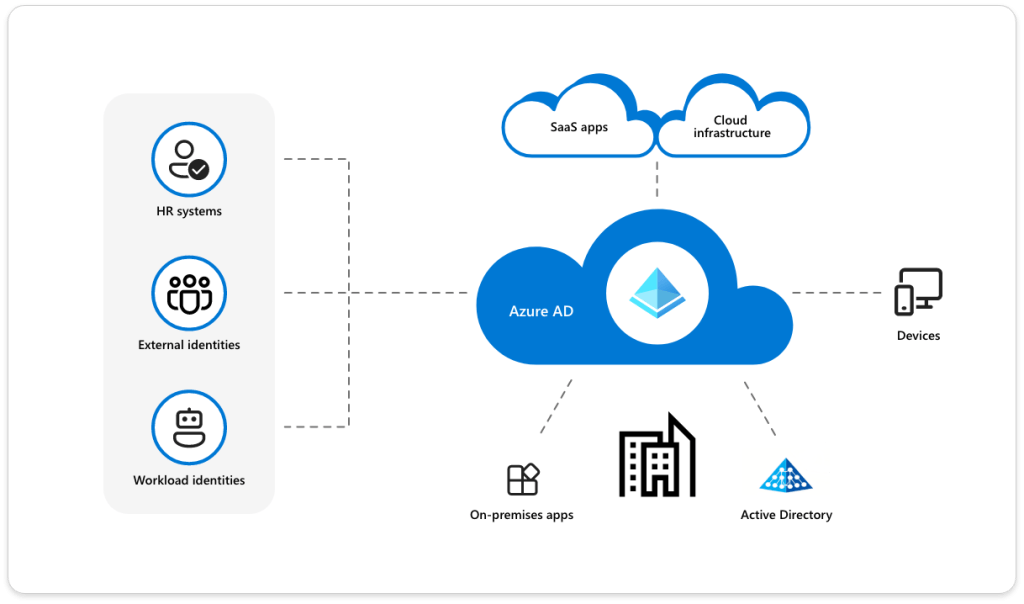
Accessing the portal requires authentication through an Azure Active Directory (Azure AD) account. This ensures that only authorized users can log in and perform actions based on their assigned roles and permissions.
Key Features of the Azure Portal Interface
Once logged in, users are greeted with a customizable dashboard that displays key metrics, recent activities, and quick access to frequently used services. Some of the standout features include:
Resource Management: Deploy and manage virtual machines, storage accounts, and web apps with just a few clicks.Monitoring Tools: Use Azure Monitor and Log Analytics to track performance and troubleshoot issues in real time.Role-Based Access Control (RBAC): Assign granular permissions to users and groups to ensure security and compliance..
Marketplace Integration: Browse and deploy pre-built solutions from Microsoft and third-party vendors.”The Azure portal is not just a dashboard—it’s a command center for your entire cloud ecosystem.” — Microsoft Cloud Documentation
Why the Azure Login Portal Is Essential for Businesses
For organizations adopting cloud technology, the Azure login portal is more than just a login page—it’s a strategic asset.It enables IT teams to automate workflows, scale infrastructure on demand, and maintain visibility across hybrid environments..
With increasing reliance on remote work and digital transformation, secure and efficient access to the Azure login portal has become a top priority for CIOs and security officers alike.
How to Access the Azure Login Portal: Step-by-Step Guide
Getting started with the Azure login portal is straightforward, but understanding the nuances can save time and prevent common errors. Follow this step-by-step process to log in successfully.
Step 1: Navigate to the Official Azure Portal URL
Open your preferred web browser and go to https://portal.azure.com. This is the official entry point for all Azure services. Avoid using unofficial links or search engine results that may lead to phishing sites.
For enterprise users, some organizations use custom domains (e.g., https://mycompany.portal.azure.com), but these still redirect to the main portal after authentication.
Step 2: Enter Your Credentials
On the login screen, enter your Azure AD email address (e.g., user@company.com or user@outlook.com for personal accounts). If you’re using a work or school account, make sure you’re selecting the correct directory if prompted.
After entering your email, click Next and input your password. Azure supports various authentication methods, including passwordless options like Microsoft Authenticator, FIDO2 security keys, and Windows Hello.
Step 3: Complete Multi-Factor Authentication (MFA)
Most organizations require multi-factor authentication for added security. After entering your password, you’ll be prompted to verify your identity using one of the following:
- Approval via the Microsoft Authenticator app
- Text message or phone call with a verification code
- Hardware token or biometric authentication
Once verified, you’ll be redirected to the Azure dashboard.
Common Issues When Using the Azure Login Portal and How to Fix Them
Even experienced users encounter problems when accessing the Azure login portal. Here are some of the most frequent issues and their solutions.
Forgot Password or Locked Account
If you can’t remember your password or your account is locked due to multiple failed attempts, use the Forgot password link on the login page. This will guide you through a recovery process that may involve email, phone, or security questions.
For corporate accounts, contact your Azure administrator, who can reset your password or unlock your account via the Azure AD admin center.
“User Not Found” or “Invalid Credentials” Errors
This error often occurs when:
- You’re entering the wrong email address.
- Your account belongs to a different Azure AD tenant.
- There’s a typo in the domain (e.g., @gmail.co instead of @gmail.com).
To resolve this, double-check your email and ensure you’re logging into the correct tenant. You can also try using the Microsoft account recovery tool for personal accounts.
Browser Compatibility and Cache Issues
The Azure login portal works best with modern browsers like Microsoft Edge, Google Chrome, and Firefox. If you’re experiencing loading issues or blank screens:
- Clear your browser cache and cookies.
- Disable browser extensions that might interfere with authentication.
- Try using an incognito or private browsing window.
- Ensure JavaScript and TLS 1.2+ are enabled.
Microsoft provides a comprehensive list of supported browsers on its documentation site.
Security Best Practices for the Azure Login Portal
Given that the Azure login portal provides access to critical cloud resources, securing your login process is non-negotiable. Implementing strong security practices protects your data, applications, and compliance posture.
Enable Multi-Factor Authentication (MFA)
MFA is one of the most effective ways to prevent unauthorized access. Even if a password is compromised, an attacker would still need a second factor to log in.
Administrators can enforce MFA through Azure AD Conditional Access policies. For example, you can require MFA for all users accessing the Azure login portal from outside the corporate network.
Use Conditional Access Policies
Conditional Access allows organizations to define rules based on user identity, location, device health, and risk level. For instance:
- Block access from high-risk countries.
- Require compliant devices (e.g., encrypted laptops) for portal access.
- Demand MFA when logging in from unfamiliar IP addresses.
These policies are configured in the Azure AD portal and apply across all Microsoft cloud services.
Monitor Sign-In Logs and Anomalies
Azure AD provides detailed sign-in logs that show when, where, and how users accessed the Azure login portal. These logs are accessible under Azure Active Directory > Monitoring > Sign-in logs.
Look for red flags such as:
- Logins from unusual locations or at odd hours.
- Multiple failed attempts followed by a successful login.
- Use of legacy authentication protocols (e.g., IMAP, SMTP), which are harder to secure.
Integrate these logs with Azure Monitor or Microsoft Sentinel for automated threat detection.
Managing User Roles and Permissions via the Azure Login Portal
One of the most powerful aspects of the Azure login portal is its ability to manage access at scale using Role-Based Access Control (RBAC). Proper role management ensures users have only the permissions they need—no more, no less.
Understanding Built-In Roles in Azure
Azure offers several predefined roles that simplify permission management:
- Owner: Full access to all resources, including the ability to delegate access.
- Contributor: Can create and manage resources but cannot grant access to others.
- Reader: View-only access to resources.
- Virtual Machine Contributor: Manage VMs but not networking or storage associated with them.
These roles can be assigned at the subscription, resource group, or individual resource level.
Creating Custom Roles for Specific Needs
While built-in roles cover many scenarios, organizations often need more granular control. Azure allows you to create custom roles using JSON definitions that specify exactly which actions are allowed or denied.
For example, you could create a role that lets a developer deploy apps to Azure App Service but prevents them from modifying network security groups.
Custom roles are managed in the Access control (IAM) section of any resource in the Azure login portal.
Best Practices for Role Assignment
To maintain security and operational efficiency:
- Follow the principle of least privilege (PoLP).
- Audit role assignments regularly using Azure Policy or Access Reviews.
- Use groups instead of assigning roles to individual users for easier management.
- Set expiration dates on temporary access grants.
Using the Azure CLI and PowerShell Alongside the Login Portal
While the Azure login portal offers a visual interface, many advanced tasks are faster and more efficient when performed via command-line tools like Azure CLI and Azure PowerShell.
Logging In via Azure CLI
The Azure CLI is a cross-platform tool available for Windows, macOS, and Linux. To log in:
- Install the CLI from Microsoft’s official site.
- Run
az loginin your terminal. - Follow the prompts to open https://microsoft.com/devicelogin and enter the displayed code.
Once authenticated, you can run commands like az vm list or az group create to manage resources programmatically.
Authenticating with Azure PowerShell
Azure PowerShell is ideal for Windows administrators and automation scripts. To get started:
- Install the
Azmodule usingInstall-Module -Name Az. - Run
Connect-AzAccountto initiate login. - Enter your credentials and complete MFA if required.
You can now use cmdlets like Get-AzVM or New-AzResourceGroup to interact with Azure resources.
Synchronizing Portal and CLI Access
Both CLI and PowerShell use the same underlying authentication mechanism (OAuth 2.0) as the Azure login portal. This means your session tokens are synchronized across tools, allowing seamless switching between GUI and command-line interfaces.
However, be mindful of context switching between multiple subscriptions or tenants. Use az account set --subscription "MySub" or Select-AzSubscription to ensure you’re operating in the correct environment.
Advanced Features: Single Sign-On and Identity Providers
For enterprises with complex identity landscapes, the Azure login portal supports integration with external identity providers and single sign-on (SSO) solutions.
Configuring Single Sign-On (SSO)
SSO allows users to access the Azure login portal using their existing corporate credentials without needing a separate Azure AD account. This is typically achieved through protocols like SAML 2.0, OpenID Connect, or OAuth.
For example, a company using Google Workspace can configure SSO so employees can log in to Azure using their Google accounts, streamlining access and reducing password fatigue.
Integrating Third-Party Identity Providers
Azure AD supports federation with identity providers such as:
- Google Identity
- Facebook (for customer-facing apps)
- Salesforce
- Custom SAML-based IdPs
This is particularly useful for B2B collaboration, where partners can access shared Azure resources without creating new accounts.
Federated Authentication vs. Cloud-Only Accounts
Organizations must decide whether to use:
- Federated accounts: Authentication is handled by an on-premises identity system (e.g., Active Directory Federation Services).
- Cloud-only accounts: Credentials are stored and validated entirely in Azure AD.
Federated authentication offers better integration with legacy systems, while cloud-only accounts are simpler to manage in fully cloud-native environments.
Troubleshooting and Support Resources for the Azure Login Portal
Even with best practices in place, issues can arise. Knowing where to find help is crucial for minimizing downtime.
Using Azure Advisor for Proactive Guidance
Azure Advisor is a built-in tool that analyzes your environment and provides personalized recommendations. It can suggest enabling MFA, removing unused role assignments, or improving network security.
Access it from the left-hand menu in the Azure login portal under Advisor. It’s free and runs continuously in the background.
Accessing Microsoft Learn and Documentation
Microsoft offers extensive learning resources at Microsoft Learn, including tutorials, videos, and hands-on labs for mastering the Azure login portal.
The official Azure documentation is regularly updated and covers every service in depth.
Contacting Azure Support
If self-help doesn’t resolve your issue, Azure offers multiple support plans:
- Basic: Community forums and online resources.
- Developer: Email support with a 24-hour response time.
- Standard/Premium: 24/7 phone, email, and chat support with faster response times.
Support requests can be initiated directly from the Azure portal under Help + support.
What is the URL for the Azure login portal?
The official URL for the Azure login portal is https://portal.azure.com. Always ensure you’re visiting this exact address to avoid phishing scams.
How do I reset my Azure portal password?
If you’re using a Microsoft account, visit account.live.com to reset your password. For work or school accounts, use the “Forgot password” link on the login screen or contact your Azure administrator.
Can I access Azure without the portal?
Yes. You can manage Azure resources using Azure CLI, Azure PowerShell, REST APIs, or third-party tools like Visual Studio Code with Azure extensions. The portal is just one of many access methods.
Why am I getting a ‘tenant not found’ error?
This error usually means you’re trying to log in to a tenant (Azure AD directory) that doesn’t recognize your account. Ensure you’re using the correct email and that your account has been invited to the tenant. Administrators can check user invitations in the Azure AD portal.
Is the Azure login portal secure?
Yes, when used with security best practices like MFA, Conditional Access, and regular audits. Microsoft invests heavily in securing the Azure platform, but user behavior and configuration play a critical role in overall security.
Mastering the Azure login portal is essential for anyone working with Microsoft’s cloud platform. From initial access to advanced identity management, this guide has covered the core aspects of logging in, staying secure, and troubleshooting common issues. By leveraging tools like MFA, RBAC, and command-line interfaces, you can maximize both productivity and protection. Whether you’re a developer, administrator, or business leader, understanding the Azure login portal empowers you to take full control of your cloud journey.
Further Reading: