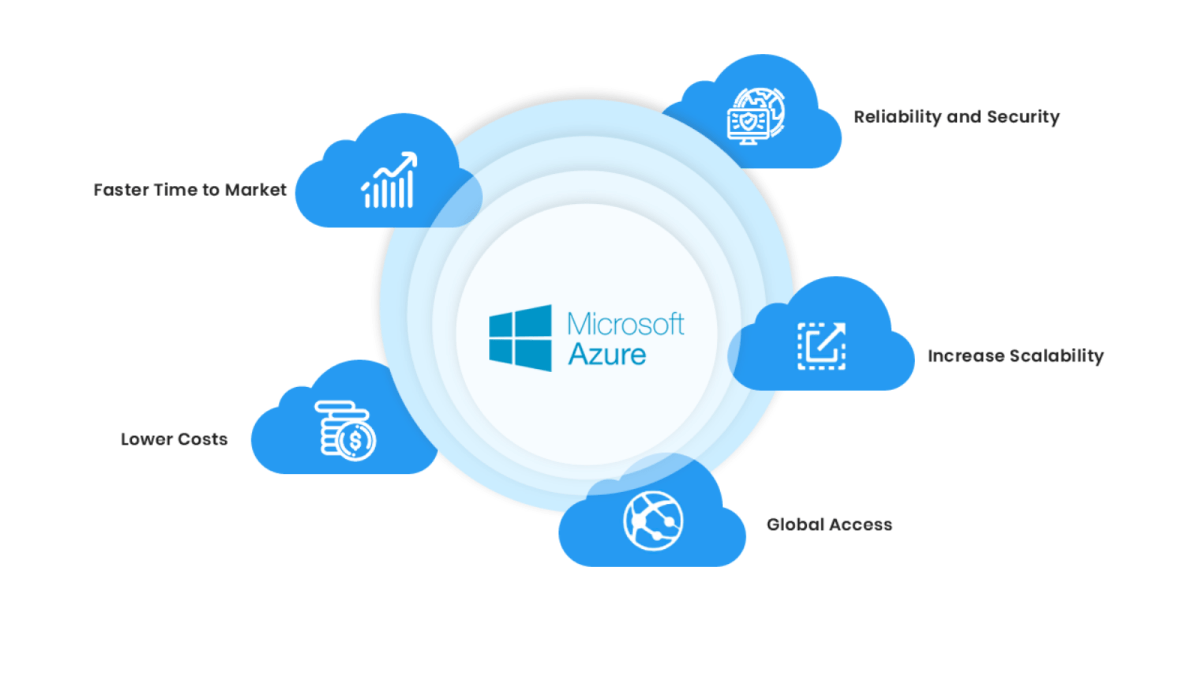
So, you’ve heard about Azure apps and want to know what all the buzz is about? You’re in the right place. Whether you’re building a startup MVP or scaling enterprise software, Microsoft Azure apps offer unmatched flexibility, scalability, and integration. Let’s dive into everything you need to know — and how to master it.
What Are Azure Apps and Why They Matter

Azure apps refer to applications deployed, managed, and scaled using Microsoft Azure’s cloud platform. These aren’t just websites or mobile backends — they’re full-fledged cloud-native solutions that leverage compute, storage, networking, and AI services. From simple web apps to complex microservices, Azure provides the infrastructure and tools to bring ideas to life.




Defining Azure Apps in Modern Cloud Architecture
Azure apps encompass a wide range of services under the Azure App Service, including web apps, API apps, mobile apps, and function apps. These are built on a fully managed platform, meaning developers don’t have to worry about server maintenance, patching, or infrastructure scaling. Instead, they can focus on writing code and delivering value.
- Azure App Service supports multiple languages: .NET, Java, Node.js, Python, PHP, and Ruby.
- It integrates seamlessly with DevOps tools like GitHub, Azure DevOps, and Docker.
- Apps can be deployed from source control, containers, or CI/CD pipelines with minimal configuration.
This flexibility makes Azure apps a top choice for startups and enterprises alike. According to Microsoft, over 95% of Fortune 500 companies use Azure for at least one critical workload.
Core Components of Azure App Ecosystem
The Azure app ecosystem isn’t just about hosting applications. It’s a complete development and operations environment. Key components include:
- App Service Plans: Define the compute resources (CPU, memory) and pricing tier for your apps.
- Web Apps: Host websites and web applications with built-in SSL, custom domains, and deployment slots.
- API Apps: Expose RESTful APIs with built-in Swagger support and API management integration.
- Mobile Apps: Backend services for mobile clients, including offline sync, push notifications, and authentication.
- Function Apps: Serverless compute for event-driven code execution (Azure Functions).
These components work together to create scalable, secure, and high-performance applications. For example, a mobile app backend might use Azure Mobile Apps for user authentication, Azure Functions for processing image uploads, and Azure Blob Storage for saving media files.
“Azure App Service allows developers to build, deploy, and scale web apps quickly — without managing infrastructure.” — Microsoft Azure Documentation
Top 7 Benefits of Using Azure Apps
Why should you choose Azure apps over other cloud platforms? The answer lies in its powerful combination of features, integration, and enterprise-grade reliability. Let’s explore the seven most compelling advantages.
1. Rapid Deployment and Continuous Integration
With Azure apps, you can deploy code in minutes. Whether you’re using GitHub Actions, Azure DevOps, or local Git, the deployment process is streamlined and automated. Azure supports continuous integration and continuous deployment (CI/CD), allowing teams to ship updates faster and with fewer errors.
- Automatic deployment from GitHub, Bitbucket, or Azure Repos.
- Staging slots for testing before production rollout.
- Zero-downtime deployments using slot swapping.
This agility is crucial in today’s fast-paced development cycles. Companies like Adobe and BMW use Azure’s CI/CD pipelines to deploy thousands of changes daily.
2. Built-in Scalability and Load Balancing
One of the biggest challenges in app development is handling traffic spikes. Azure apps solve this with auto-scaling. You can configure your app to automatically add or remove instances based on CPU usage, memory, or request rates.
- Scale out (horizontally) by adding more instances.
- Scale up (vertically) by upgrading to a higher App Service plan.
- Use Azure Traffic Manager for global load balancing across regions.
For example, during a product launch, an e-commerce app can scale from 2 to 20 instances automatically, ensuring smooth user experience without manual intervention.
3. Enterprise-Grade Security and Compliance
Security is non-negotiable, especially for businesses handling sensitive data. Azure apps come with robust security features out of the box:
- Role-Based Access Control (RBAC) for fine-grained permissions.
- Managed identities to avoid storing secrets in code.
- Integration with Azure Active Directory (AAD) for single sign-on (SSO).
- Compliance with GDPR, HIPAA, ISO 27001, and more.
Microsoft invests over $1 billion annually in cybersecurity and operates one of the largest security teams in the world. This commitment translates directly into the trust enterprises place in Azure apps.
4. Seamless Integration with Microsoft 365 and Dynamics
If your organization uses Microsoft 365, Teams, or Dynamics 365, Azure apps offer native integration. You can build custom workflows, automate approvals, or extend business processes without complex middleware.
- Use Microsoft Graph API to access Outlook, OneDrive, and Teams data.
- Trigger Azure Functions from Power Automate flows.
- Build custom connectors for Dynamics 365.
This tight integration reduces development time and enhances productivity. For instance, a sales team can use a custom Azure app to sync CRM data with Excel reports in real time.
5. Cost Efficiency with Pay-As-You-Go Pricing
Azure apps follow a consumption-based pricing model. You only pay for the resources you use. This is especially beneficial for startups and small businesses that want to minimize upfront costs.
- Free tier available for learning and small projects.
- Premium tiers offer advanced features like VNET integration and private endpoints.
- Reserved instances and hybrid benefits reduce costs for long-term usage.
According to a Forrester study, organizations using Azure see a 61% reduction in infrastructure costs over three years compared to on-premises solutions.
6. Global Reach with Azure Regions
Azure has more global regions than any other cloud provider — over 60 as of 2024. This allows you to deploy your apps closer to your users, reducing latency and improving performance.
- Deploy apps in regions like East US, West Europe, Southeast Asia, or Australia.
- Use Azure Front Door for global HTTP(S) load balancing and DDoS protection.
- Leverage Content Delivery Network (CDN) for faster static content delivery.
Netflix, a major Azure customer, uses regional deployment to stream content with minimal buffering across continents.
7. AI and Cognitive Services Integration
Azure apps aren’t just about hosting — they can be intelligent. Microsoft’s Cognitive Services allow developers to add AI capabilities like vision, speech, language, and decision-making to their apps.
- Use Azure Computer Vision to analyze images uploaded to your app.
- Integrate Text Analytics to detect sentiment in user feedback.
- Enable speech-to-text with Azure Speech Services.
For example, a healthcare app can use AI to scan medical forms and extract patient data automatically, reducing manual entry errors.
How to Build Your First Azure App Step by Step
Ready to get hands-on? Let’s walk through creating a simple web app using Azure App Service. This guide assumes no prior experience and will take you from signup to deployment.
Step 1: Create an Azure Account
Head to azure.microsoft.com and sign up for a free account. You’ll get $200 in credits and access to over 25 free services for 12 months. No credit card is required for the free tier.
- Choose “Start free” and follow the registration steps.
- Verify your identity with a phone number.
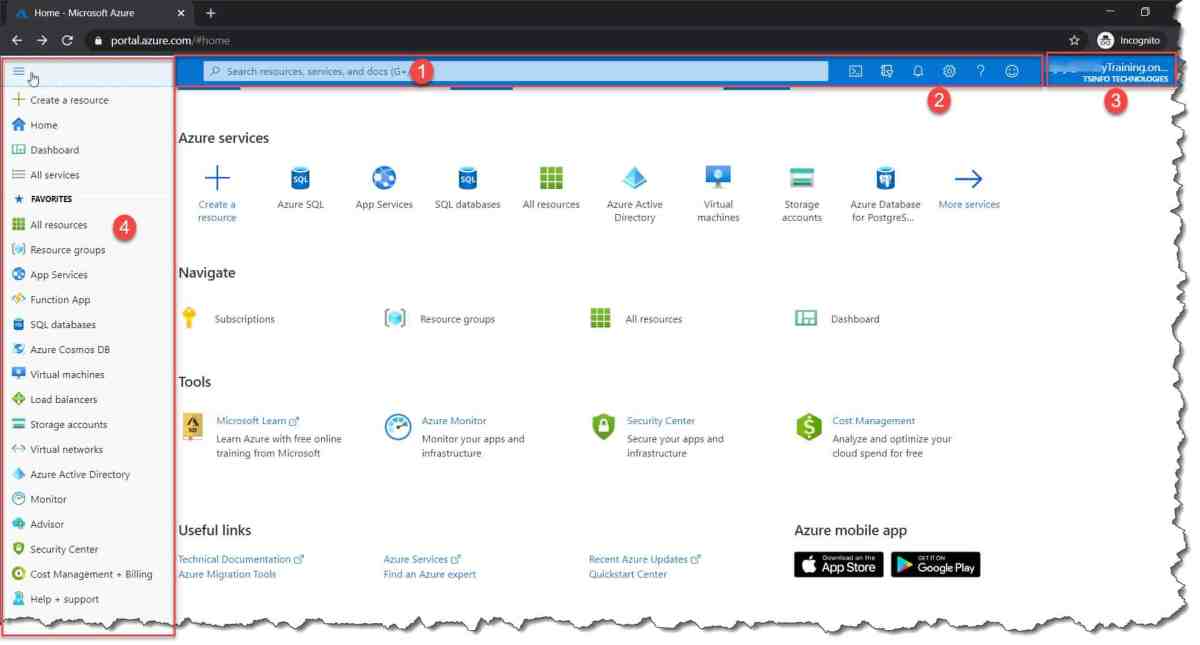
- Log in to the Azure portal at portal.azure.com.
The Azure portal is your control center for managing all cloud resources, including Azure apps.
Step 2: Create an App Service Plan
Before deploying an app, you need an App Service Plan. This defines the region, pricing tier, and scale settings.
- In the Azure portal, click “Create a resource” and search for “App Service”.
- Select “App Service Plan”, choose a name, region, and pricing tier (start with Free F1).
- Click “Review + create” and then “Create”.
This plan will host your web app. You can later upgrade it as your traffic grows.
Step 3: Deploy a Web App
Now, create the actual web app.
- Go to “Create a resource” > “Web” > “Web App”.
- Enter a unique name (e.g., my-first-azure-app).
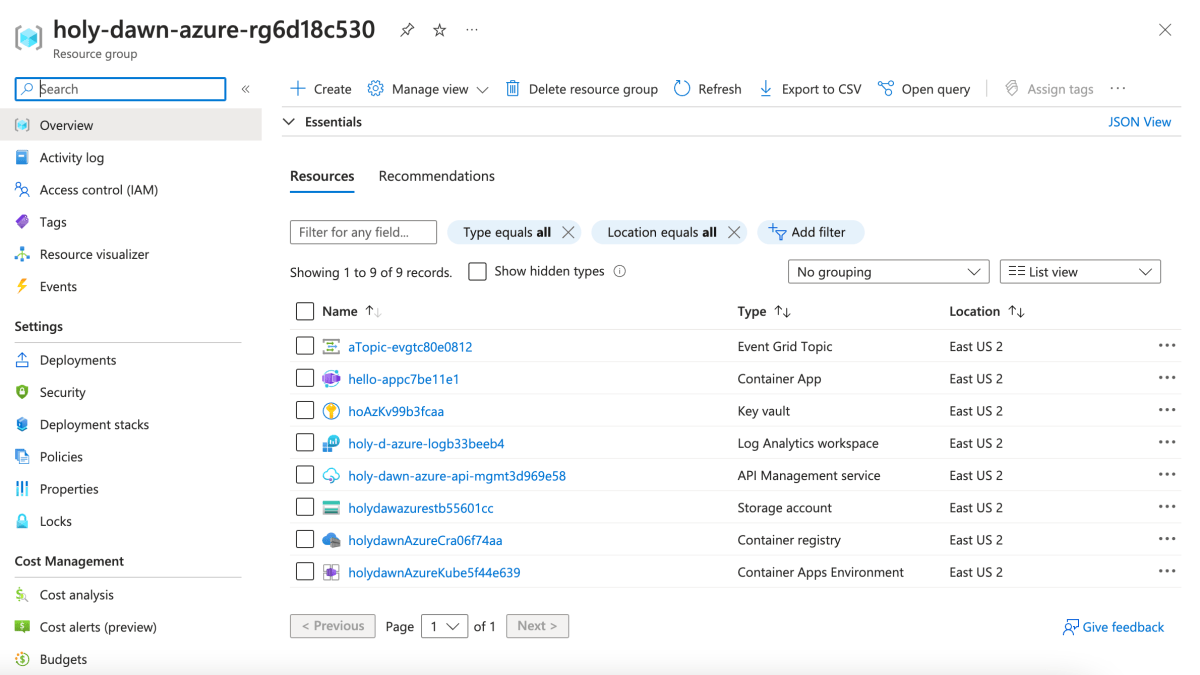
- Select your subscription and the resource group (create new if needed).
- Choose the App Service Plan you created earlier.
- Click “Review + create” and then “Create”.
Once deployed, navigate to the app’s URL (e.g., https://my-first-azure-app.azurewebsites.net). You’ll see a default splash page.
Step 4: Deploy Custom Code
To deploy your own code, use Git integration.
- In your app’s dashboard, go to “Deployment Center”.
- Choose GitHub as the source and authorize Azure to access your repo.
- Select a repository with a simple HTML or Node.js app.
- Azure will automatically build and deploy it.
Within minutes, your custom app will be live. Any future commits to the main branch will trigger automatic redeployment.
“The easiest way to learn Azure apps is by doing. Start small, deploy fast, and iterate.” — Azure Developer Guide
Azure Apps vs. AWS vs. Google Cloud: A Comparative Analysis
While Azure apps are powerful, how do they stack up against competitors like AWS Elastic Beanstalk and Google App Engine? Let’s compare key aspects.
Developer Experience and Tooling
Azure excels in developer experience, especially for teams already using Microsoft tools. Visual Studio, Visual Studio Code, and Azure CLI provide seamless integration. Azure DevOps offers built-in CI/CD, while AWS requires third-party tools like Jenkins or CodePipeline.
- Azure: Native support for .NET, C#, and Visual Studio.
- AWS: Strong in open-source ecosystems (Linux, Python, Node.js).
- Google Cloud: Best for Kubernetes and containerized apps via Google Kubernetes Engine (GKE).
If your team uses Microsoft products, Azure apps provide the smoothest workflow.
Pricing and Cost Management
All three platforms offer free tiers and pay-as-you-go models. However, Azure’s hybrid benefit — allowing you to use on-premises Windows Server licenses in the cloud — can lead to significant savings.
- Azure: $13.70/month for Basic B1 plan (1 vCPU, 1.75 GB RAM).
- AWS: $10.50/month for t3.micro (1 vCPU, 1 GB RAM) on Elastic Beanstalk.
- Google Cloud: $12.80/month for f1-micro (1 vCPU, 0.6 GB RAM) on App Engine.
Azure’s pricing is competitive, and its cost calculator is one of the most accurate in the industry.
Global Infrastructure and Latency
Azure leads in the number of global regions (60+), followed by AWS (30+), and Google Cloud (30+). More regions mean lower latency for users worldwide.
- Azure: Strong presence in Europe, Asia, and government clouds.
- AWS: Dominant in North America and enterprise adoption.
- Google Cloud: Fastest network with premium tier routing.
For multinational companies, Azure’s regional coverage is a major advantage.
Advanced Features of Azure Apps for Enterprise Use
For large organizations, Azure apps offer advanced capabilities that go beyond basic hosting. These features enable secure, scalable, and compliant enterprise solutions.
Private Endpoints and VNET Integration
Enterprises often need to isolate apps from the public internet. Azure apps support Virtual Network (VNET) integration and private endpoints.
- VNET integration allows your app to access on-premises resources via ExpressRoute or VPN.
- Private endpoints expose your app over a private IP address, blocking public access.
- This is critical for financial, healthcare, and government applications.
For example, a bank can use private endpoints to ensure its customer portal is only accessible from internal networks.
Authentication and Authorization with Azure AD
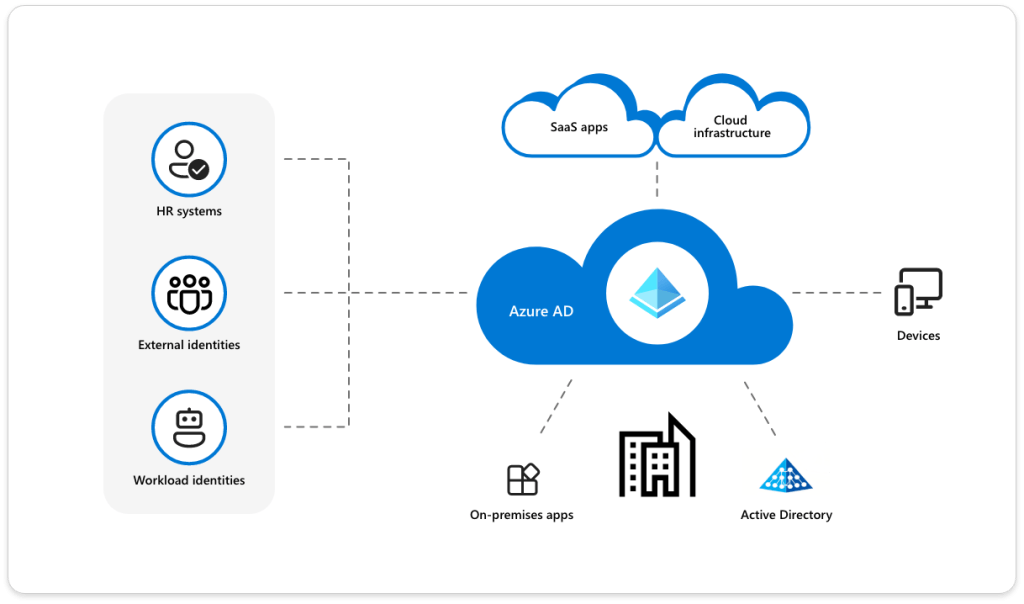
Managing user access securely is vital. Azure apps integrate natively with Azure Active Directory (AAD).
- Enable single sign-on (SSO) for employees using corporate credentials.
- Support multi-factor authentication (MFA) for added security.
- Use Conditional Access policies to enforce device compliance.
This eliminates the need for custom login systems and reduces the risk of password breaches.
Monitoring and Diagnostics with Application Insights
When apps go down, every second counts. Azure Application Insights provides real-time monitoring, logging, and alerting.
- Track request rates, response times, and failure rates.
- Set up alerts for high CPU or memory usage.
- Analyze user behavior with telemetry data.
Application Insights is part of Azure Monitor and integrates with Log Analytics for deep troubleshooting.
“Proactive monitoring reduces downtime by up to 70%. Azure apps make it effortless.” — Gartner Research
Common Challenges and How to Solve Them
Even with its strengths, developers face challenges when working with Azure apps. Let’s address the most common ones and how to overcome them.
Deployment Failures and Debugging
Deployment errors can occur due to incorrect configuration, missing dependencies, or incompatible runtime versions.
- Check the deployment log in the Azure portal under “Deployment Center”.
- Use Kudu (advanced tools) to access the server and inspect files.
- Ensure your app’s startup file (e.g., server.js for Node.js) is correctly specified.
For example, a Node.js app might fail if the WEBSITE_NODE_DEFAULT_VERSION setting doesn’t match the required version.
Performance Bottlenecks
Slow response times can stem from underpowered plans, inefficient code, or database latency.
- Upgrade to a higher App Service plan with more CPU and memory.
- Use Azure Cache for Redis to reduce database load.
- Enable compression and CDN for static assets.
Regularly monitor performance using Application Insights to identify and fix issues early.
Cost Overruns
Without proper monitoring, cloud costs can spiral. Azure provides tools to prevent this.
- Set up budget alerts in Azure Cost Management.
- Use tags to track spending by department or project.
- Shut down non-production apps during off-hours.
One company reduced its Azure bill by 40% simply by scheduling dev environments to turn off at night.
Future Trends: Where Azure Apps Are Headed
The cloud landscape is evolving fast. Azure apps are at the forefront of several key trends shaping the future of software development.
Rise of Serverless and Event-Driven Architectures
Azure Functions, part of the Azure apps ecosystem, enables true serverless computing. Developers write functions that run in response to events — like an HTTP request, a file upload, or a database change.
- Pay only for execution time, not idle resources.
- Scale automatically from zero to thousands of instances.
- Integrate with Event Grid, Service Bus, and IoT Hub.
This model is ideal for microservices, background processing, and real-time data pipelines.
AI-Powered Development with GitHub Copilot and Azure
Microsoft’s acquisition of GitHub has led to deep integration between Azure and AI-driven development tools. GitHub Copilot, powered by OpenAI, suggests code in real time.
- Generate boilerplate code for Azure apps with natural language prompts.
- Automate testing and deployment scripts.
- Use Azure Machine Learning to train custom models and deploy them as APIs.
Soon, developers might describe an app idea in plain English, and AI will generate the entire Azure app structure.
Hybrid and Multi-Cloud Strategies
More organizations are adopting hybrid models — running apps both on-premises and in the cloud. Azure Arc enables this by extending Azure management to any infrastructure.
- Manage on-premises servers, AWS, and Google Cloud VMs from the Azure portal.
- Apply consistent policies and security across environments.
- Deploy Azure apps anywhere with Arc-enabled Kubernetes.
This flexibility ensures businesses aren’t locked into a single cloud provider.
What are Azure apps used for?
Azure apps are used to build, deploy, and scale web, mobile, and API applications in the cloud. They are ideal for startups, enterprises, and government agencies needing reliable, secure, and scalable solutions.
How much does it cost to run an Azure app?
Costs vary based on the App Service plan. The Free tier is $0/month (limited resources), while the Basic plan starts at $13.70/month. You can use the Azure Pricing Calculator to estimate costs.
Can I deploy a custom domain with Azure apps?
Yes. You can bind a custom domain (e.g., yourcompany.com) to your Azure app. You’ll need to verify domain ownership and configure DNS settings.
Is Azure better than AWS for app development?
It depends on your ecosystem. Azure is better if you use Microsoft tools (Windows, .NET, Office 365). AWS is stronger in open-source and has a larger market share, but Azure offers superior integration for enterprise environments.
How do I secure my Azure app?
Use Azure Active Directory for authentication, enable managed identities, configure network security groups, and use private endpoints. Regularly apply updates and monitor with Application Insights.
Mastering Azure apps opens doors to scalable, secure, and intelligent cloud applications. From rapid deployment to AI integration, Azure provides the tools modern developers need. Whether you’re a beginner or an enterprise architect, the platform offers something for everyone. The future of app development is in the cloud — and Azure is leading the charge.
Recommended for you 👇
Further Reading: