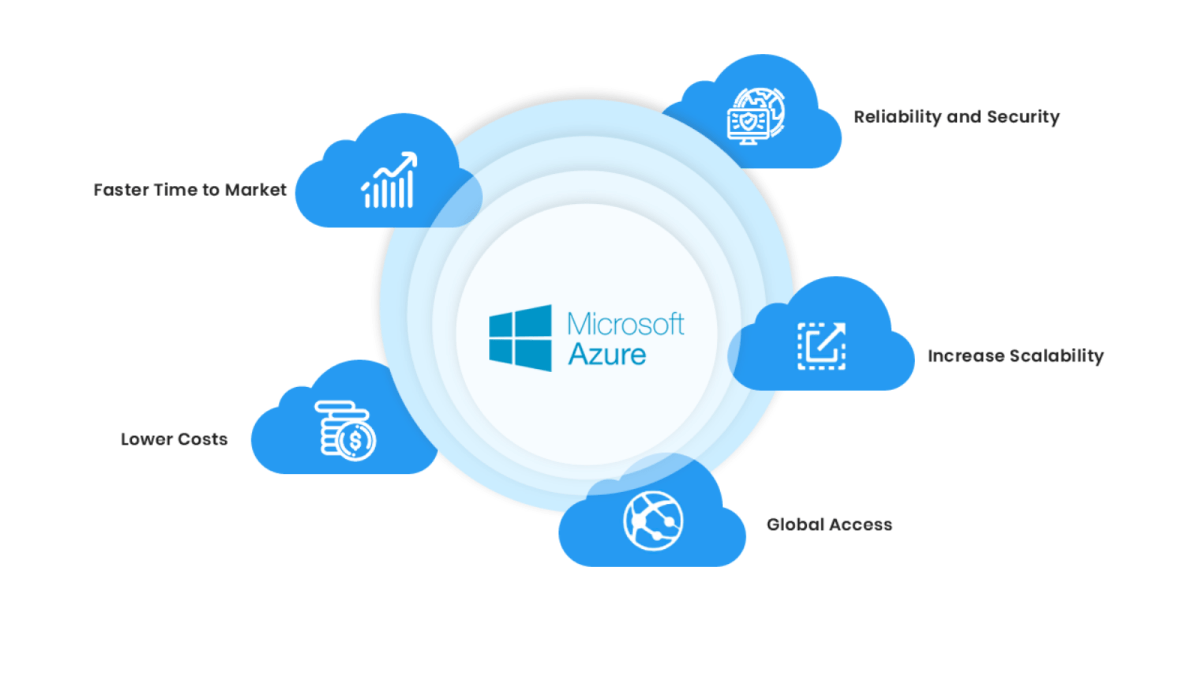
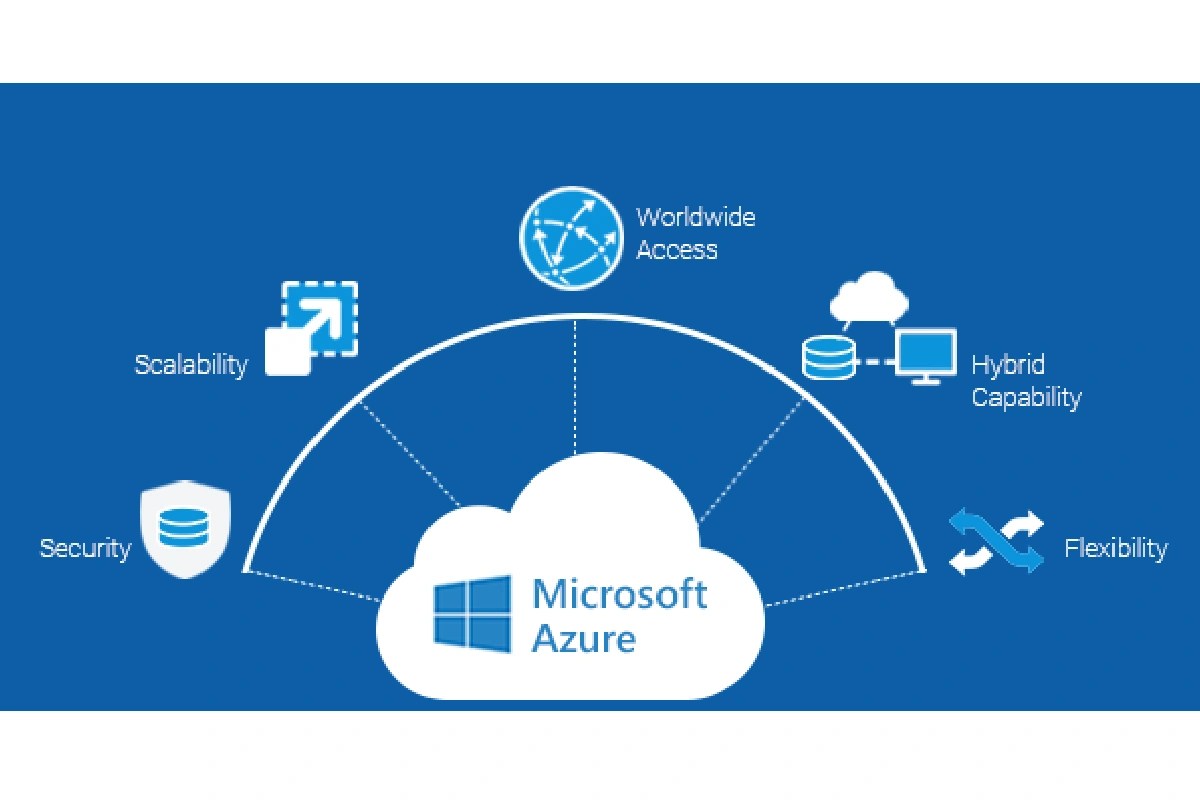
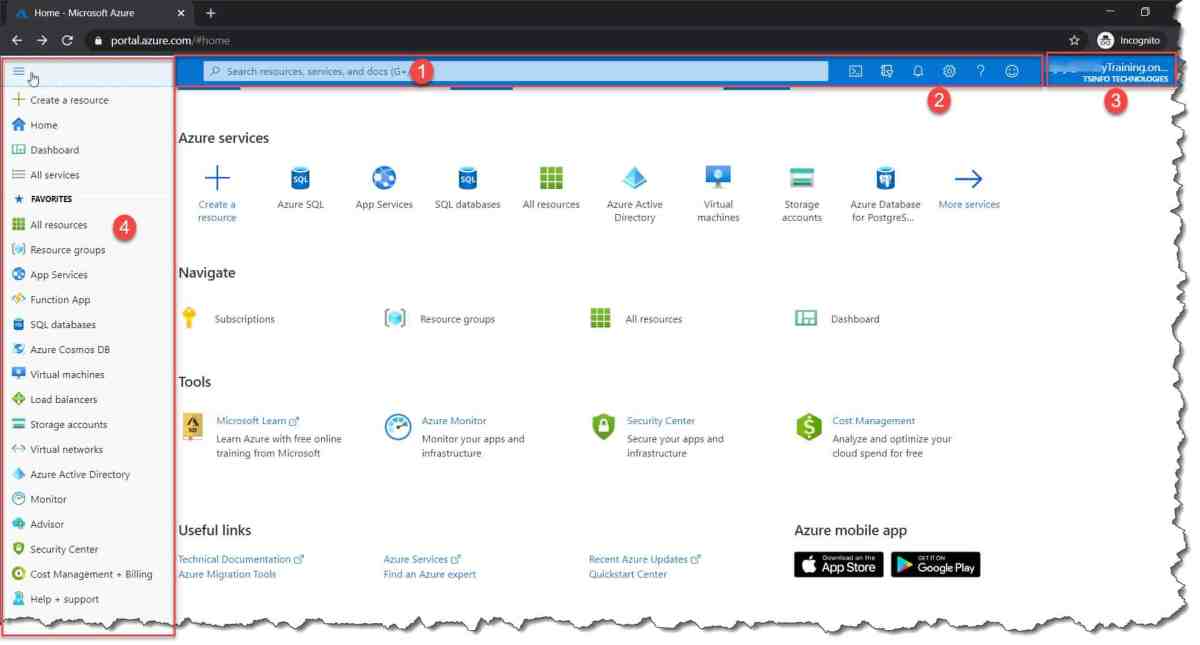
If you’re managing user access in the cloud, Azure Active Directory is your ultimate weapon. This powerful identity and access management service simplifies security, boosts productivity, and connects your workforce seamlessly across Microsoft 365, SaaS apps, and on-premises resources.
What Is Azure Active Directory?

Azure Active Directory (Azure AD) is Microsoft’s cloud-based identity and access management service, designed to help organizations securely manage user identities and control access to applications and resources. Unlike traditional on-premises Active Directory, Azure AD is built for the modern, cloud-first world, supporting hybrid environments and global scalability.




Core Purpose of Azure AD
Azure AD’s primary role is to authenticate and authorize users and devices accessing cloud and on-premises services. It ensures that only the right people have access to the right resources at the right time. This includes managing user sign-ins, enforcing multi-factor authentication (MFA), and enabling single sign-on (SSO) across thousands of applications.
- Centralized identity management
- Secure access to cloud and hybrid apps
- Integration with Microsoft 365, Azure, and thousands of SaaS platforms
“Azure Active Directory is not just a directory; it’s the identity backbone of the Microsoft cloud.” — Microsoft Official Documentation
Differences Between Azure AD and On-Premises AD
While both systems manage identities, Azure AD and traditional Active Directory serve different architectures. On-premises AD relies on domain controllers and LDAP, primarily for internal Windows networks. Azure AD, however, is REST-based, uses OAuth and OpenID Connect, and is optimized for web and mobile applications.
- On-premises AD: Domain-based, uses Kerberos/LDAP, focused on Windows devices
- Azure AD: Cloud-native, API-driven, supports SAML, OAuth, OpenID Connect
- Hybrid scenarios: Azure AD Connect bridges both worlds
Understanding this distinction is crucial for organizations transitioning to the cloud or operating in a hybrid environment.
Key Features of Azure Active Directory
Azure Active Directory offers a robust set of features that empower organizations to manage identities securely and efficiently. From single sign-on to conditional access, these tools are designed to reduce complexity while enhancing security.
Single Sign-On (SSO)
Single sign-on is one of the most user-friendly and productivity-boosting features of Azure Active Directory. With SSO, users can log in once and gain access to multiple applications—both Microsoft and third-party—without re-entering credentials.
- Supports over 2,600 pre-integrated SaaS apps like Salesforce, Dropbox, and Zoom
- Enables seamless access via the My Apps portal
- Reduces password fatigue and improves user experience
SSO works through standard protocols like SAML, OAuth, and OpenID Connect, making integration straightforward for developers and IT admins alike. Learn more about SSO setup at Microsoft’s official SSO documentation.
Multi-Factor Authentication (MFA)
Security is paramount, and Azure AD’s Multi-Factor Authentication adds an essential layer of protection. MFA requires users to verify their identity using at least two methods—something they know (password), something they have (phone or token), or something they are (biometrics).
- Available via phone call, text message, Microsoft Authenticator app, or hardware tokens
- Can be enforced based on risk, location, or device compliance
- Reduces the risk of account compromise by up to 99.9%
According to Microsoft, enabling MFA blocks over 99.9% of account compromise attacks. This makes it one of the most effective security controls available. For more details, visit Azure AD MFA documentation.
Conditional Access
Conditional Access is where Azure Active Directory shines in adaptive security. It allows administrators to create policies that enforce access controls based on specific conditions such as user location, device compliance, sign-in risk, and application sensitivity.
- Policies can require MFA, block access from untrusted locations, or demand compliant devices
- Uses real-time risk detection from Identity Protection
- Enables zero-trust security models
For example, a policy can block access to corporate email from a public Wi-Fi network unless the user’s device is encrypted and enrolled in Intune. This dynamic control ensures security adapts to context, not just static rules.
Azure Active Directory Editions and Licensing
Azure AD is available in four editions: Free, Office 365 Apps, Azure AD P1, and Azure AD P2. Each tier offers increasing levels of functionality, catering to different organizational needs and security requirements.
Azure AD Free Edition
The Free edition is included with any Azure subscription or Microsoft 365 license. It provides basic identity and access management features suitable for small businesses or departments.
- User and group management
- Basic SSO to SaaS apps
- Self-service password reset for cloud users
While limited in advanced security features, it’s a solid starting point for organizations beginning their cloud journey.
Azure AD P1 and P2 Premium Editions
Premium editions unlock enterprise-grade capabilities essential for large organizations with complex security needs.
- Azure AD P1: Includes advanced SSO, conditional access, hybrid identity, and self-service group management
- Azure AD P2: Adds Identity Protection, privileged identity management (PIM), and access reviews
For instance, Identity Protection uses machine learning to detect risky sign-ins and compromised users, alerting admins or automatically blocking access. PIM allows just-in-time (JIT) elevation of privileges, reducing the attack surface of permanent admin accounts.
More details on licensing can be found at Azure AD editions overview.
Hybrid Identity with Azure Active Directory
Many organizations operate in a hybrid environment, where some resources remain on-premises while others move to the cloud. Azure Active Directory supports seamless integration between on-premises Active Directory and the cloud through tools like Azure AD Connect.
Azure AD Connect: Bridging On-Prem and Cloud
Azure AD Connect is the primary tool for synchronizing user identities from on-premises AD to Azure AD. It ensures that users have a consistent identity across both environments, enabling single sign-on and centralized management.
- Supports password hash synchronization, pass-through authentication, and federation
- Enables seamless SSO with minimal latency
- Supports group, contact, and device synchronization
For organizations using ADFS, Azure AD Connect can integrate with existing federation services. However, Microsoft recommends pass-through authentication for simpler management and better resilience.
Password Synchronization Methods
Azure AD offers multiple methods to handle user authentication in hybrid setups:
- Password Hash Synchronization (PHS): Syncs hashed passwords from on-prem AD to Azure AD
- Pass-Through Authentication (PTA): Validates credentials against on-prem AD in real time
- Federation (AD FS): Uses SAML-based federation for advanced scenarios
PTA is often preferred for its simplicity and reliability, especially when combined with seamless SSO. Learn more at Azure AD authentication methods.
Identity Governance and Access Management
As organizations grow, managing who has access to what becomes increasingly complex. Azure Active Directory provides robust identity governance features to ensure access is granted appropriately and reviewed regularly.
Access Reviews
Access reviews allow administrators to periodically audit user access to groups, applications, and roles. This ensures that permissions are not granted indefinitely and helps maintain compliance with regulatory standards.
- Automated reviews for guest users, application access, and role assignments
- Reviewers can be managers, group owners, or application owners
- Non-compliant access can be automatically removed
This feature is especially valuable for meeting compliance requirements like GDPR, HIPAA, or SOX.
Privileged Identity Management (PIM)
Privileged Identity Management is a critical component of Azure AD P2. It provides just-in-time (JIT) access to administrative roles, reducing the risk of permanent elevated privileges.
- Admins request activation of roles with time-limited assignments
- Requires approval and MFA for role activation
- Full audit trail of privileged activities
PIM ensures that even powerful roles like Global Administrator are only active when needed, significantly reducing the risk of insider threats or compromised accounts.
Security and Threat Protection in Azure AD
Cyber threats are evolving, and identity is now the primary attack vector. Azure Active Directory includes advanced security tools to detect, prevent, and respond to identity-based attacks.
Identity Protection
Azure AD Identity Protection uses machine learning and risk detection to identify suspicious activities such as sign-ins from unfamiliar locations, anonymous IP addresses, or leaked credentials.
- Generates risk detections for users and sign-ins
- Integrates with Conditional Access to enforce remediation
- Supports user risk policies that require password reset or block access
For example, if a user signs in from Nigeria and then from Canada within minutes, Identity Protection flags this as an impossible travel event and can trigger an automatic response.
Sign-In Logs and Monitoring
Detailed logging is essential for auditing and forensic analysis. Azure AD provides comprehensive sign-in logs that capture every authentication attempt, including success, failure, and risk levels.
- Logs include user, app, IP address, device, and location details
- Available in the Azure portal or via Microsoft Graph API
- Can be exported to Azure Monitor or SIEM tools like Sentinel
These logs are invaluable for security teams investigating breaches or compliance audits. Explore the logs at Azure AD sign-in logs documentation.
Application Management and Enterprise App Integration
Azure Active Directory is not just about users—it’s also a powerful platform for managing applications. Whether you’re integrating SaaS apps or building custom solutions, Azure AD simplifies secure access and identity federation.
Enterprise Application Gallery
Azure AD includes a vast gallery of over 2,600 pre-integrated enterprise applications. These apps can be added with just a few clicks, enabling SSO and automated provisioning.
- Popular apps include Salesforce, Workday, ServiceNow, and Google Workspace
- Each app comes with step-by-step configuration guides
- Supports SCIM (System for Cross-domain Identity Management) for user provisioning
This gallery drastically reduces the time and effort required to onboard new applications securely.
Custom Application Integration
For in-house or legacy applications, Azure AD supports custom integration using standard protocols.
- Supports SAML 2.0, OpenID Connect, and OAuth 2.0
- Enables secure authentication without exposing credentials
- Can enforce MFA and conditional access policies
Developers can use Microsoft Identity Platform (formerly Azure AD v2.0) to build apps that sign in users with Microsoft accounts or work/school accounts. More at Azure AD developer documentation.
Best Practices for Managing Azure Active Directory
Deploying Azure AD is just the beginning. To maximize security, performance, and user experience, organizations should follow proven best practices.
Enforce Multi-Factor Authentication
MFA should be mandatory for all users, especially administrators. It’s the single most effective step to prevent unauthorized access.
- Enable MFA for all cloud users
- Use Conditional Access policies to enforce MFA based on risk
- Encourage use of the Microsoft Authenticator app for push notifications
According to Microsoft, 99.9% of account compromises can be prevented with MFA enabled.
Implement Role-Based Access Control (RBAC)
RBAC ensures users have only the permissions they need to do their jobs. Avoid assigning global administrator roles unnecessarily.
- Use built-in roles like User Administrator, Helpdesk Administrator, or Billing Administrator
- Leverage PIM for just-in-time elevation
- Regularly review role assignments
This principle of least privilege minimizes the risk of accidental or malicious changes.
Regularly Audit and Clean Up Identities
Orphaned accounts, stale guest users, and unused applications are security risks. Regular audits help maintain a clean identity environment.
- Run access reviews quarterly
- Remove inactive guest users
- Disable or delete unused enterprise apps
Automation tools like Azure AD Access Reviews and Identity Governance can streamline this process.
What is Azure Active Directory used for?
Azure Active Directory is used to manage user identities and control access to cloud and on-premises applications. It enables single sign-on, multi-factor authentication, conditional access, and identity governance, making it essential for secure and efficient identity management in modern organizations.
Is Azure AD the same as Windows Active Directory?
No, Azure AD is not the same as Windows Active Directory. While both manage identities, Azure AD is cloud-based and designed for modern applications using REST APIs and OAuth, whereas Windows AD is on-premises, domain-based, and relies on LDAP and Kerberos for authentication.
How much does Azure Active Directory cost?
Azure AD has a Free tier included with Azure or Microsoft 365 subscriptions. Premium features require Azure AD P1 ($6/user/month) or P2 ($9/user/month). Some capabilities are also available through Microsoft 365 licenses.
Can Azure AD replace on-premises Active Directory?
Azure AD can partially replace on-premises AD, especially for cloud-first organizations. However, many enterprises use both in a hybrid model. Azure AD does not support all legacy protocols like Group Policy or DFS, so full replacement depends on the organization’s infrastructure.
How do I secure Azure Active Directory?
Secure Azure AD by enforcing MFA, using Conditional Access policies, enabling Identity Protection, implementing PIM for admin roles, and conducting regular access reviews. Also, monitor sign-in logs and follow the principle of least privilege.
Azure Active Directory is far more than a simple directory service—it’s a comprehensive identity and access management platform that powers secure, seamless access across the modern digital workplace. From single sign-on and MFA to conditional access and identity governance, Azure AD provides the tools organizations need to embrace cloud innovation without compromising security. Whether you’re a small business or a global enterprise, understanding and leveraging Azure AD’s capabilities is essential for building a resilient, zero-trust security posture. By following best practices and using the right licensing tier, you can ensure your identity infrastructure is both powerful and protected.
azure active directory – Azure active directory menjadi aspek penting yang dibahas di sini.
Recommended for you 👇
Further Reading: